
Last updated November 15, 2026
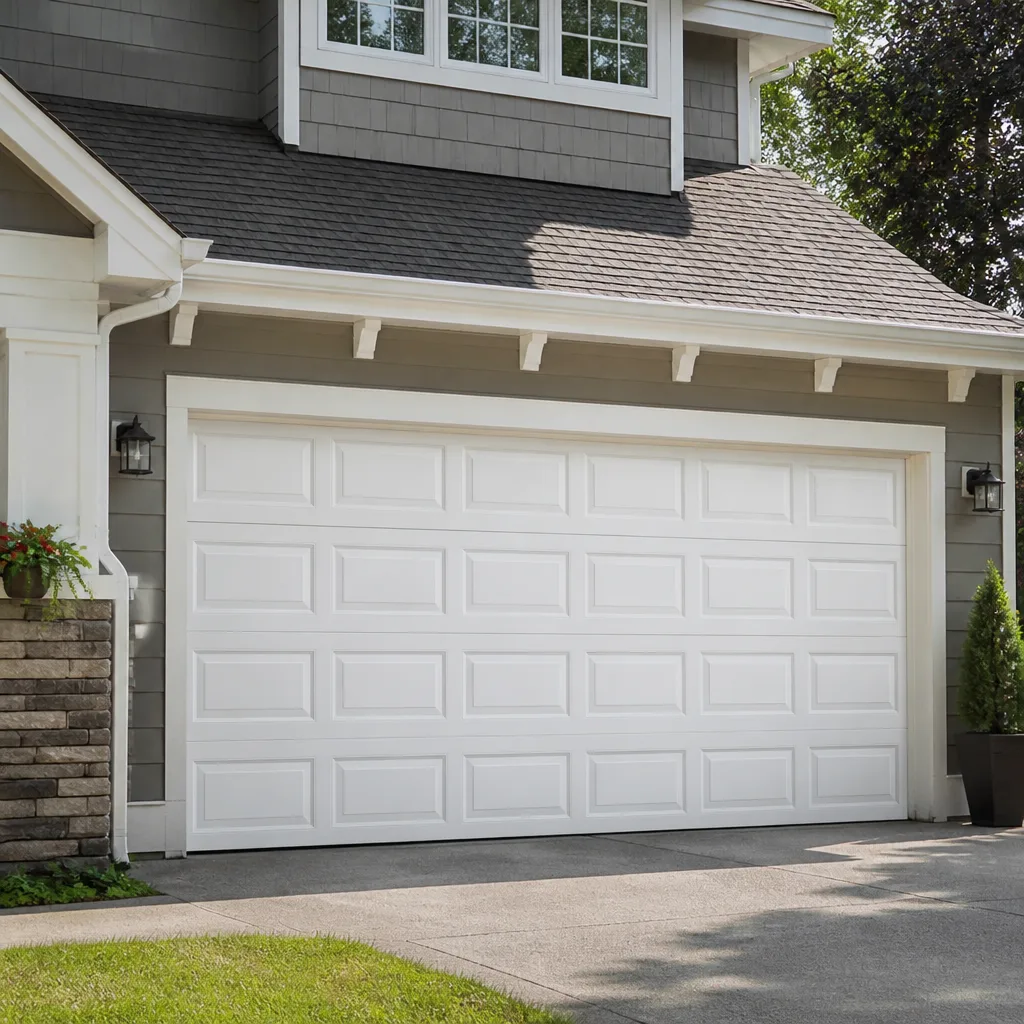 Raised-panel steel
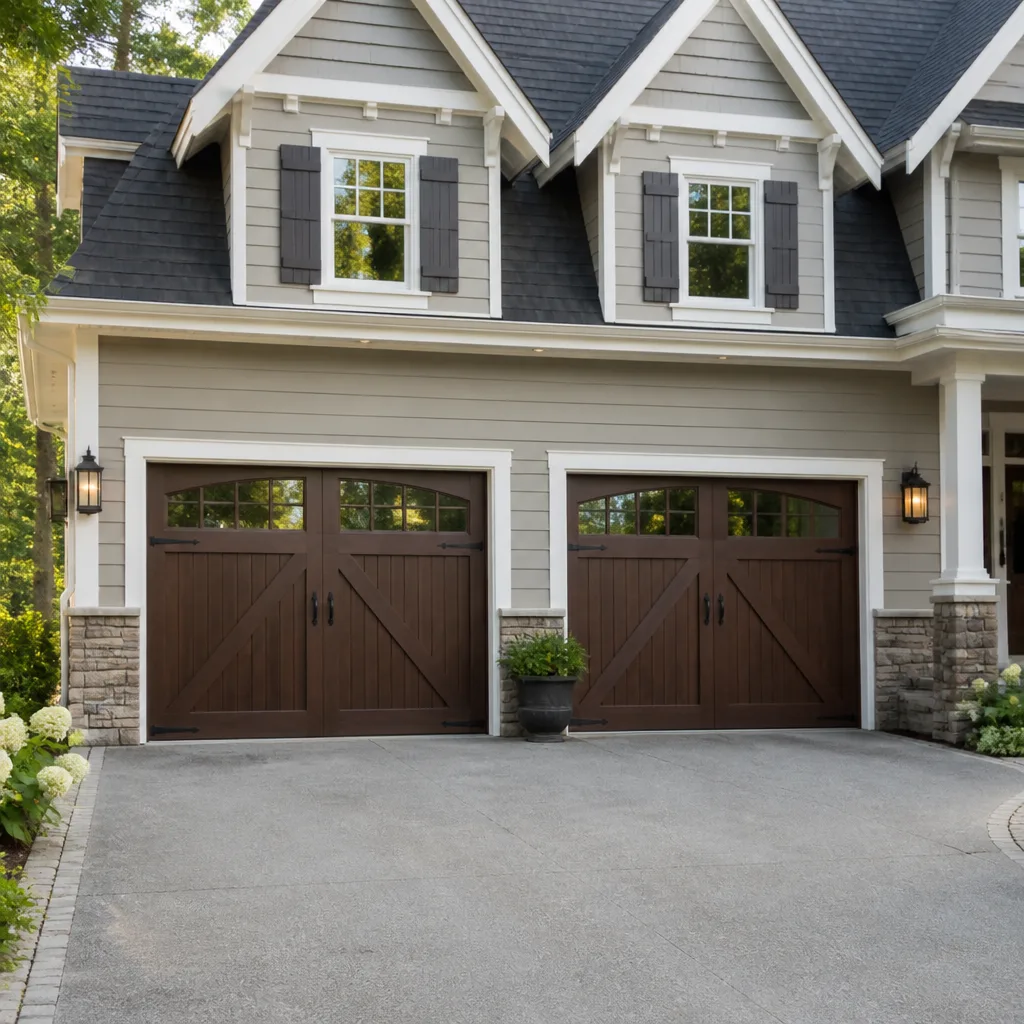 Carriage house
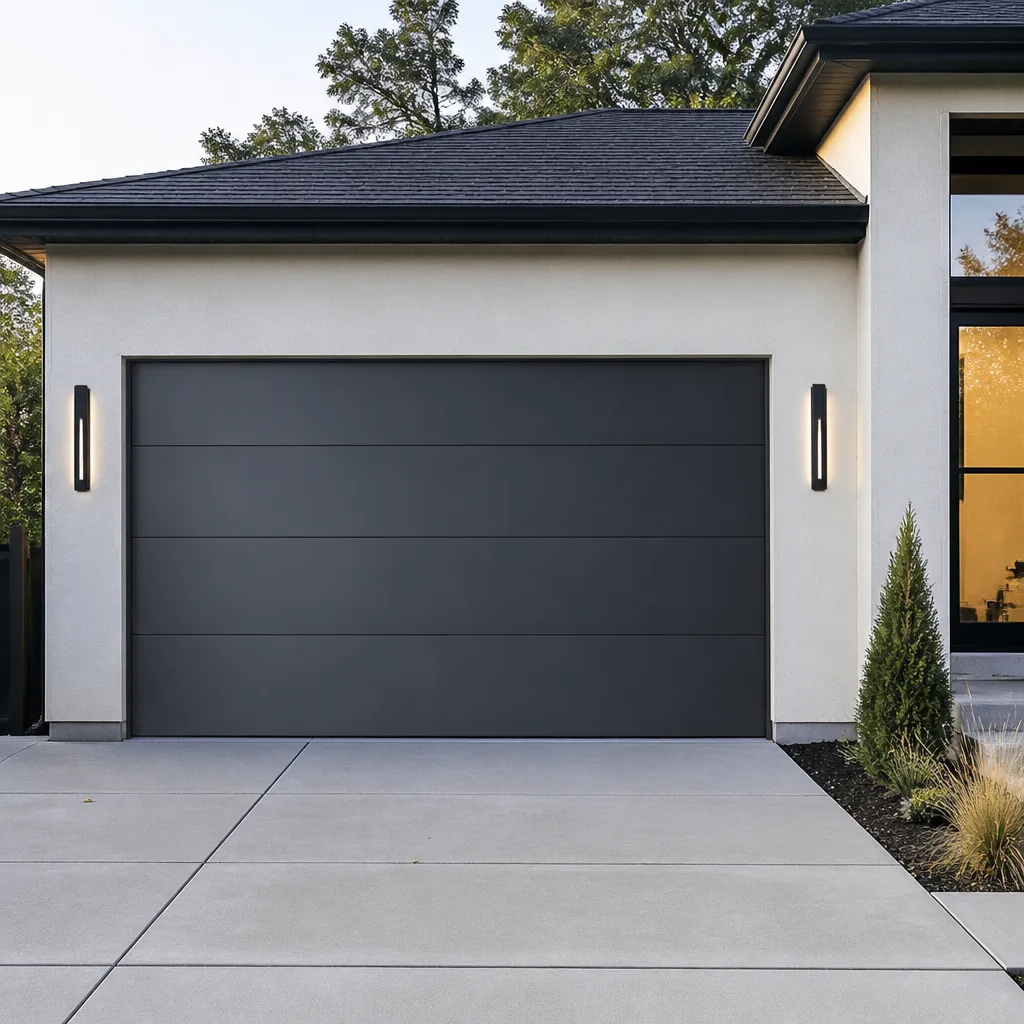 Modern flush
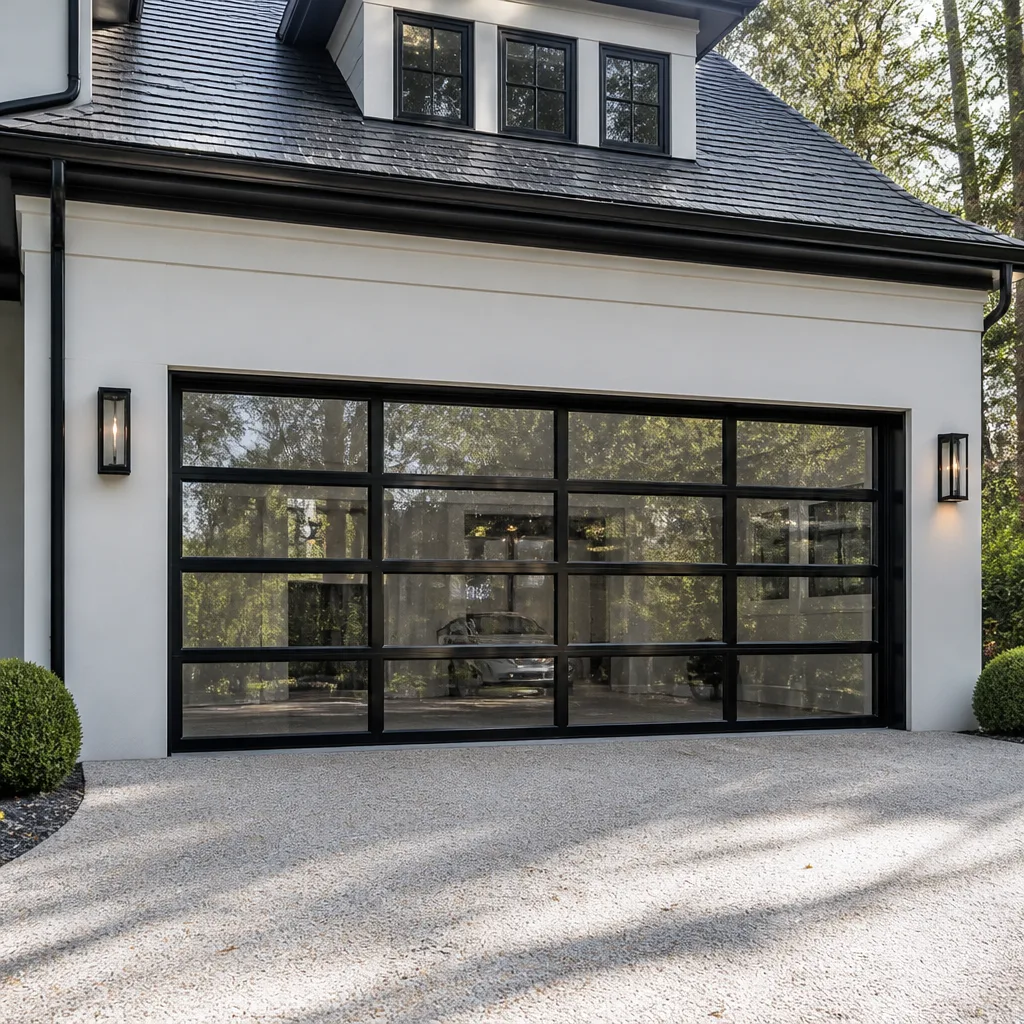 Full-view glass
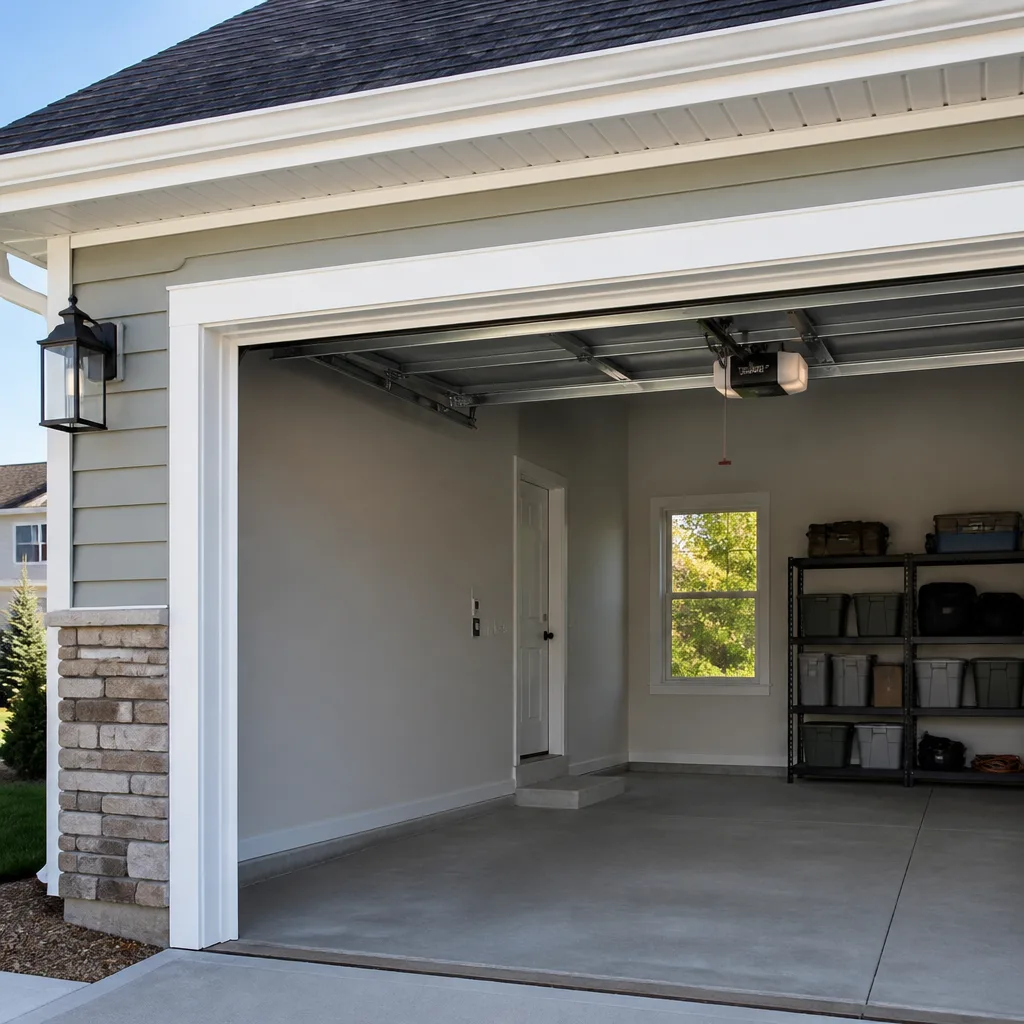 LiftMaster openers
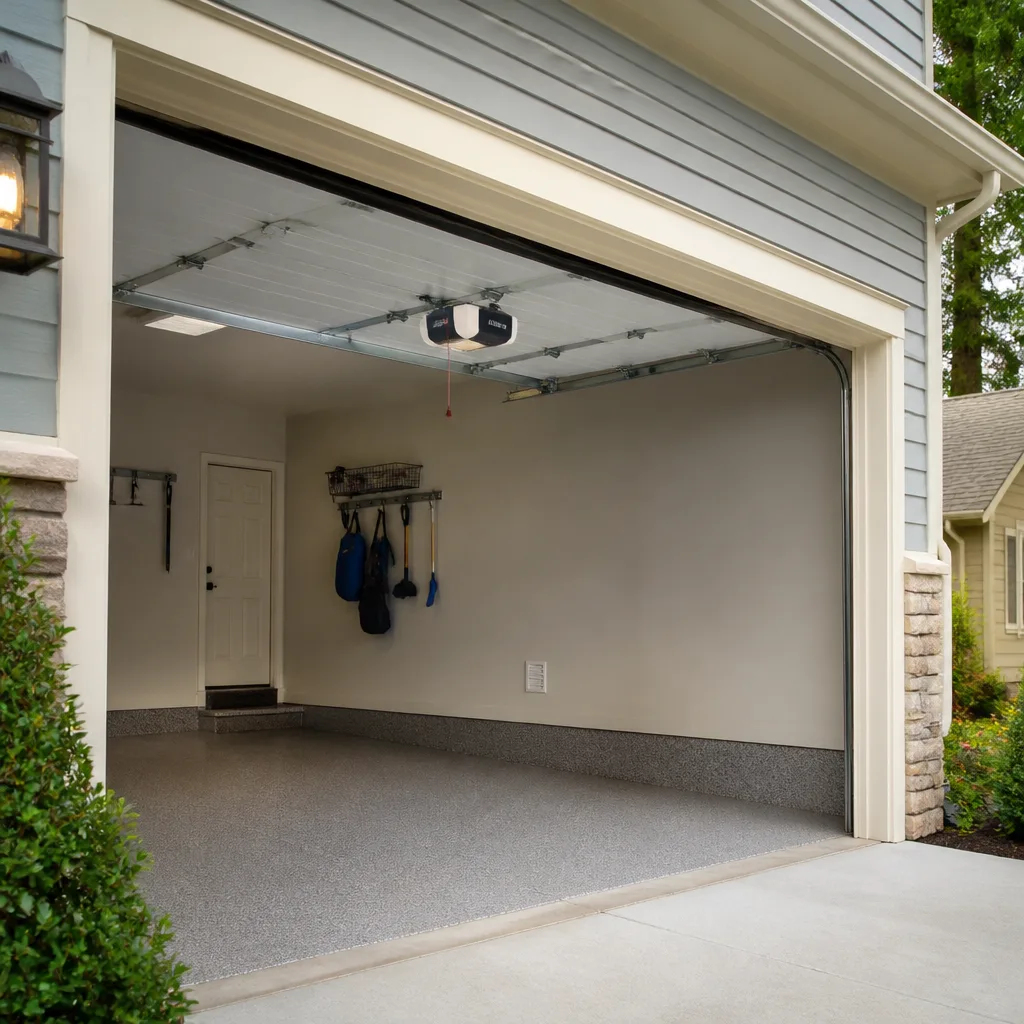 Chamberlain openers
Full 25-point door and opener safety check with every visit - springs, cables, rollers, tracks, and your LiftMaster or Chamberlain opener included
You get a price before we start. It does not change when the pro arrives.
Get your free estimateChoosing the Right Garage Door Brand: A Buyer’s Guide for San Mateo
The brand an installer “recommends” is often the brand that installer makes the most money on. That sounds cynical until you do the math on what a garage door actually is: a system you’ll live with for 15 to 20 years, one that needs springs, rollers, panels, and opener parts somewhere along the way. If a dealer agreement quietly points your decision toward one manufacturer, you’re the one who inherits the parts supply chain. This guide is written to fix that. We’ll show you how to compare Clopay, Amarr, Wayne Dalton, and other common brands on the criteria that actually matter in San Mateo, how to read gauge, finish, and insulation specs without a sales pitch, what separates LiftMaster from Chamberlain from Genie, and how to confirm replacement parts can be sourced locally before you commit. You’ll finish knowing how to buy a door on the merits, not on inventory.
Quick Answer
For most San Mateo homes, the right garage door brand comes down to three things: a steel gauge and finish that hold up to mild, damp winters, insulation value that matches how you actually use the space, and a parts network where replacement panels, hinges, and opener components can be sourced locally within days rather than weeks. Clopay, Amarr, and Wayne Dalton all cover that ground well, but the specific model matters more than the logo on the box. The brand that’s easiest to service for the next two decades usually beats the one that looks best on day one.
Styles & brands we work with
- Raised-panel steel
- Carriage house
- Modern flush
- Full-view glass
- LiftMaster openers
- Chamberlain openers
Table of Contents
- What Actually Matters When Comparing Garage Door Brands
- Clopay, Amarr, Wayne Dalton, and CHI: A Head-to-Head
- Why Gauge, Finish, and Insulation Beat Brand Name in San Mateo
- LiftMaster vs. Chamberlain vs. Genie: Opener Brand Breakdown
- The Parts Availability Test: Verify Before You Commit
- What Multi-Brand Capability Signals About a Contractor
- Repair vs. Replace: Let the Door Make the Decision
- How San Mateo Conditions Shape Brand Choice
What Actually Matters When Comparing Garage Door Brands
Most brand comparisons are marketing exercises. They line up brochures and talk about “standing behind the product,” which tells you almost nothing. When we evaluate a brand, we weigh four things that have real consequences for a homeowner in San Mateo.
The first is part availability and speed. A garage door fails on a hinge, roller, spring, panel, or opener gear long before the door itself is worn out. If a panel is damaged and the replacement takes three weeks to arrive, your door stays ugly or unsafe for three weeks. Brands with solid regional distribution and stocked warehouses move parts faster.
The second is warranty service network. A warranty is only as good as the mechanism for honoring it. A manufacturer warranty that nobody local can file or follow up on is a promise floating in the air. Ask who handles the claim.
The third is material and finish quality. Steel gauge, insulation type, and finish coatings are the specs that determine how long the door looks and performs the way it did on installation day. These are measurable. Insist on seeing them.
The fourth is honest installation capability. A door is only as good as its track alignment, spring tension, and opener calibration. A premium brand installed poorly outperforms nothing.
- Parts availability: Can replacement panels, hinges, and opener components be sourced locally in days?
- Warranty network: Who files a claim, and how fast?
- Material specs: Steel gauge, insulation value, and finish coating that can be verified.
- Installer competence: Track, spring, and opener calibration done properly the first time.
Notice what’s missing: brand name at the top of the list. In San Mateo’s mild climate, you’re not fighting extreme cold or heavy snow, so the door isn’t being stressed by severe temperature swings. That shifts the weight toward finish durability and parts speed over a brand’s “arctic” reputation.
Clopay, Amarr, Wayne Dalton, and CHI: A Head-to-Head
These four manufacturers cover a large share of the residential doors on San Mateo homes, and each has a distinct personality. None is universally “the best.” Here’s how they compare on the criteria that matter.
Clopay
Clopay is one of the most widely recognized steel door names, with a deep model range from basic raised-panel to insulated carriage-house styles. What we value about Clopay is breadth: if you need a matching panel or a specific profile, the odds of a local source are high. That makes it a strong choice when you want a door that’s easy to service years down the line. The downside is that Clopay has tiers, and a low-end Clopay and a premium Clopay share the same logo. Ask for the model, not the brand.
Amarr
Amarr has a reputation for solid steel construction and a no-nonsense product line. Finish options and insulation levels vary by model, so the same “get the model number” discipline applies. Amarr doors are common enough in the Bay Area that replacement parts and panels are generally reachable through regional distribution. It’s a dependable middle ground for homeowners who want good materials without paying for a prestige name.
Wayne Dalton
Wayne Dalton spans everything from budget builder doors to insulated premium lines, and it’s one of the most common brands on older San Mateo homes. That familiarity cuts both ways: the doors are easy to find and service, but “Wayne Dalton” alone doesn’t tell you which line you have. A low-end builder model and an insulated premium model look similar on a curb but perform very differently. When you get a quote, get the exact line and model.
CHI
CHI has built a following on solid steel doors and customization, including carriage-house and specialty styles. If your priority is a specific look and steel construction behind it, CHI is worth a look. Availability for CHI parts can be narrower than the biggest names in some markets, so this is the brand where the parts test below matters most before you commit.
One practical note for San Mateo buyers: because the climate is mild and damp rather than freezing, we push clients to weigh finish quality and part speed more heavily than any “cold-weather” feature. A door rated for extreme climates isn’t automatically a better door here.
Why Gauge, Finish, and Insulation Beat Brand Name in San Mateo
Here’s what we’ve learned from working on doors across San Mateo: the brand printed on the inside panel is far less predictive of how long a door lasts than the three specs most homeowners never ask about. If you get these right, the brand question mostly resolves itself.
Steel gauge
Gauge is a measure of steel thickness, and lower numbers mean thicker steel. A door built from heavier gauge steel resists dents and holds its shape. A door with thin steel dents on a stray basketball or a car door and never fully recovers. Ask the gauge for the section and the frame. If the answer is vague, that’s a signal.
Finish and coating
The finish is what keeps a steel door from rusting and fading, and it matters in a mild, damp climate. A door with a proper factory finish and a coating system designed to resist moisture will stay sharp. Ask how the finish is applied and what the warranty covers on finish defects specifically, because finish warranties are often shorter than structural ones.
Insulation value
Insulation matters if your garage shares a wall with living space, or if you use the garage as a workspace or for anything temperature-sensitive. A non-insulated door and an insulated one at the same gauge perform very differently. Ask for the R-value of the specific model, not the product line’s marketing R-value. Higher isn’t automatically better; match it to how you use the space.
The way to evaluate these without sales pressure is to ask for them in writing on the estimate. A brand that publishes gauge and R-value clearly is easier to shop than one that hides behind style names. When we quote an install, we list the model and the specs so you’re comparing steel to steel.
LiftMaster vs. Chamberlain vs. Genie: Opener Brand Breakdown
The opener is the other half of a garage door, and it has its own brand logic. In San Mateo homes we routinely see LiftMaster, Chamberlain, Genie, and older Craftsman units. Each does something better than the others, and smart-home integration separates them more than raw lifting power.
LiftMaster
LiftMaster is the opener brand we see on the most modern setups, and it integrates cleanly with smart home platforms and cameras. Its ecosystem is broad: accessories, lighting, and connectivity options are plentiful. If you want one app to run the door and monitor it, LiftMaster is usually the simplest path. It’s also the brand that tends to come with the strongest dealer service network.
Chamberlain
Chamberlain and LiftMaster share engineering lineage but live at different price points and channels. Chamberlain brings smart features like phone control and compatibility with common smart home systems, and it’s widely available. For homeowners who want connectivity without premium pricing, Chamberlain is a sensible fit. The catch, again, is model tier: low-end Chamberlain and higher-end Chamberlain are not the same opener.
Genie
Genie has a long history in residential openers and a strong reputation for quiet operation on some lines. It supports smart home integration on its connected models, and it’s a workhorse brand on many older homes. Parts are generally easy to source. If quiet is a priority, ask about the specific model’s noise rating.
Craftsman and legacy systems
Older Craftsman openers are still everywhere on San Mateo homes, and many run fine after decades. The issue is parts and safety sensors. When a legacy opener’s sensors or logic board fail, replacement can be harder to source. That’s when a technician’s honesty about repair vs. replace really matters.
For safety sensors and smart-home issues specifically, the fix is diagnostic first: the connectivity or sensor problem ends up being a wiring, alignment, or logic-board issue as often as a “bad unit.”
The Parts Availability Test: Verify Before You Commit
Before you sign for a new door or commit to a brand for a replacement panel, run this test. It takes ten minutes and saves weeks.
- Ask for a specific replacement panel part number. Not “we can get it.” A number. A brand that publishes one is easier to source.
- Ask how fast a matching panel can land locally. The answer should be in days, not “we’ll order it and see.” If a door is your only entry, that timeline matters.
- Ask who supplies parts for the brand in the region. If the chain is a distant distributor that only fills large orders, replacement parts become slow and expensive.
- Check the opener parts too. For LiftMaster, Chamberlain, Genie, and Craftsman, gear kits, sensors, and logic boards should be locally available.
- Ask your technician to run the test on the doors already on your street. In San Mateo, if the brand on your neighbor’s door is easy to service, that’s real evidence.
Here’s the reasoning. A door lives 15 to 20 years. In that window you’ll replace springs, rollers, hinges, and possibly a panel or the opener. Every one of those is a parts event. If the parts aren’t reachable, the door becomes a liability at the exact moment it needs a fix. That’s why the parts test belongs in your buying decision before you fall in love with a carriage-house style.
We run this test for clients regularly, and it’s the single most useful filter for a San Mateo buyer. Brochures don’t report sourcing speed. Technicians who work on the doors every day do.
What Multi-Brand Capability Signals About a Contractor
Ask a contractor which brands they work on, and listen carefully. If the answer is one brand, you’re talking to a dealer, and their recommendation is filtered through a dealer agreement. If the answer is any brand that’s on your garage, you’re talking to a specialist. That distinction is the whole ballgame.
A multi-brand specialist has nothing invested in steering you toward one logo. The recommendation can come from expertise: what’s on your door now, what parts are reachable, what your gauge and insulation needs are, and what makes sense for your budget. A single-brand shop’s honest advice and its margin are aligned in the same direction, which is exactly the conflict of interest you want to avoid. We work on the brand you already have because that’s the only way the advice can stay objective. Multi-brand fluency also matters at the repair stage: when a LiftMaster sensor is misfiring or a Clopay panel is dented, we’ve seen the failure mode before and can match the part without guessing.
This is where a single-trade focus pays off. A generalist adding garage doors to a list of services works from the manual. A technician who only works on garage doors can diagnose a smart-home sensor issue or a binding track correctly the first time, which usually costs less than a second visit to figure out what the first one didn’t.
None of this requires trusting us on faith. Ask any contractor what brands they service and how they source parts. The answer will tell you whether their recommendation is expertise talking or inventory talking.
Repair vs. Replace: Let the Door Make the Decision
The brand question and the repair-vs-replace question are the same question twisted together. If your door has plenty of life left, matching parts for the brand you already have keeps it running. If the door is a builder-grade model with thin steel and a failing finish, sinking money into panels may not be worth it, and that’s a moment to pick a better brand on the way out.
We ask clients to run a short decision list before getting quotes:
- Is the frame and structure sound? A solid frame argues for repair.
- Is the issue one part or the whole door? Springs, rollers, and hinges are routine.
- Are panels still available? A discontinued panel is a repair ceiling.
- Is the door insulated and does it match how you use the garage? No insulation plus a room above the garage argues for replacement.
- Is the opener compatible with a replacement door? A modern door may exceed an old opener’s rating.
For most San Mateo homes we look at, a component-level repair is the right call when the door body is healthy. The exception is a builder-grade door with failing finish and a damaged panel: fixing it can cost nearly as much as replacing it with a better brand and better specs. We’d rather tell you that up front than protect a sales quota.
If the opener needs attention on its own, garage door opener repair can usually fix a sensor, gear, or logic-board issue without touching the door.
How San Mateo Conditions Shape Brand Choice
San Mateo winters are mild, which is a genuine advantage for garage doors and a reason to ignore a lot of climate marketing built for colder regions. You’re not fighting freeze cycles, so doors here aren’t subjected to the temperature swings that crack finishes and stress hardware in mountain towns. What you do have is a damp, mild environment and a lot of older homes, and both should inform your brand pick.
Damp conditions put a premium on finish quality and on hardware that resists corrosion. That means asking about coating systems and hinge materials, not just gauge. It also means keeping an eye on tracks and rollers, which are the parts most affected by moisture over time. On the opener side, we see more smart-home integration requests on San Mateo homes than on many neighboring areas, which puts LiftMaster and Chamberlain at the front of the conversation.
Housing age matters too. Many San Mateo homes carry older Wayne Dalton or Craftsman systems, and some have builder-grade doors that were installed decades ago and have never been serviced. When we work in neighborhoods around San Mateo, the pattern is familiar: a solid old door with plenty of life in it, failed springs, and an opener due for replacement. The brand you choose for the next door should be easier to service than the one you’re replacing, and easier on the eye. That usually means a name with a deep regional parts network.
If you’re in a nearby town, the same logic travels. Our San Mateo page lays out the local service picture and what we typically see across the area.
Common Mistakes to Avoid
- Choosing by logo instead of model number. Most brands sell multiple tiers, so two doors with the same name can be very different products. Ask for the exact model on every quote.
- Skipping the parts test. If a replacement panel or opener gear can’t be sourced locally in days, you’ll pay for that later. Test it before you commit.
- Buying the “cold-weather” upgrade in a mild climate. San Mateo’s winters are mild. Put your budget into finish and insulation rather than heavy-weather features you don’t need.
- Letting a dealer agreement pick the brand. If the recommendation is the same brand for every customer, it’s not a recommendation.
- Ignoring insulation if the garage touches living space. An uninsulated door under a bedroom is a comfort problem disguised as a door choice.
- Forgetting the opener. A new door paired with an old opener can outperform its motor’s rating. Check compatibility before ordering.
- Choosing on price alone. The lowest quote on a door with no reachable parts network is the most expensive door in the long run.
See the difference
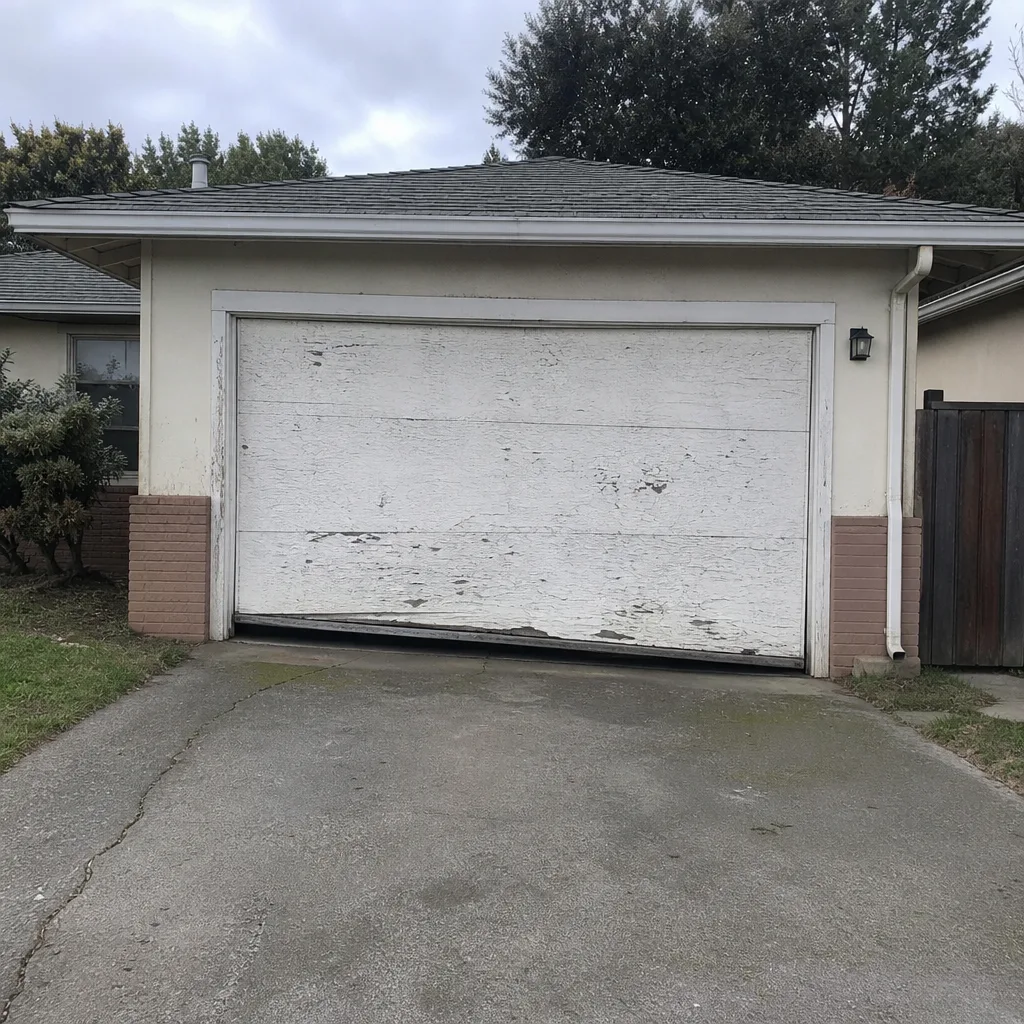 Before
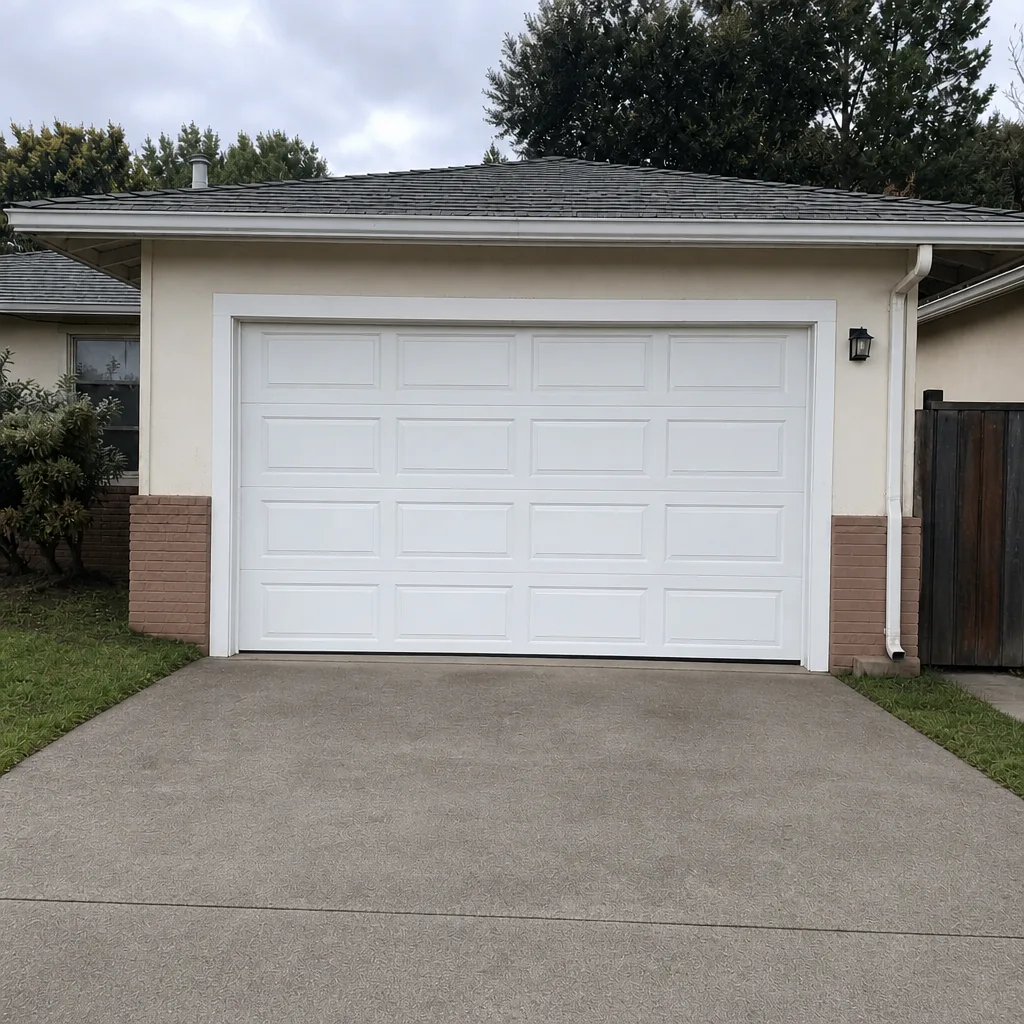 After
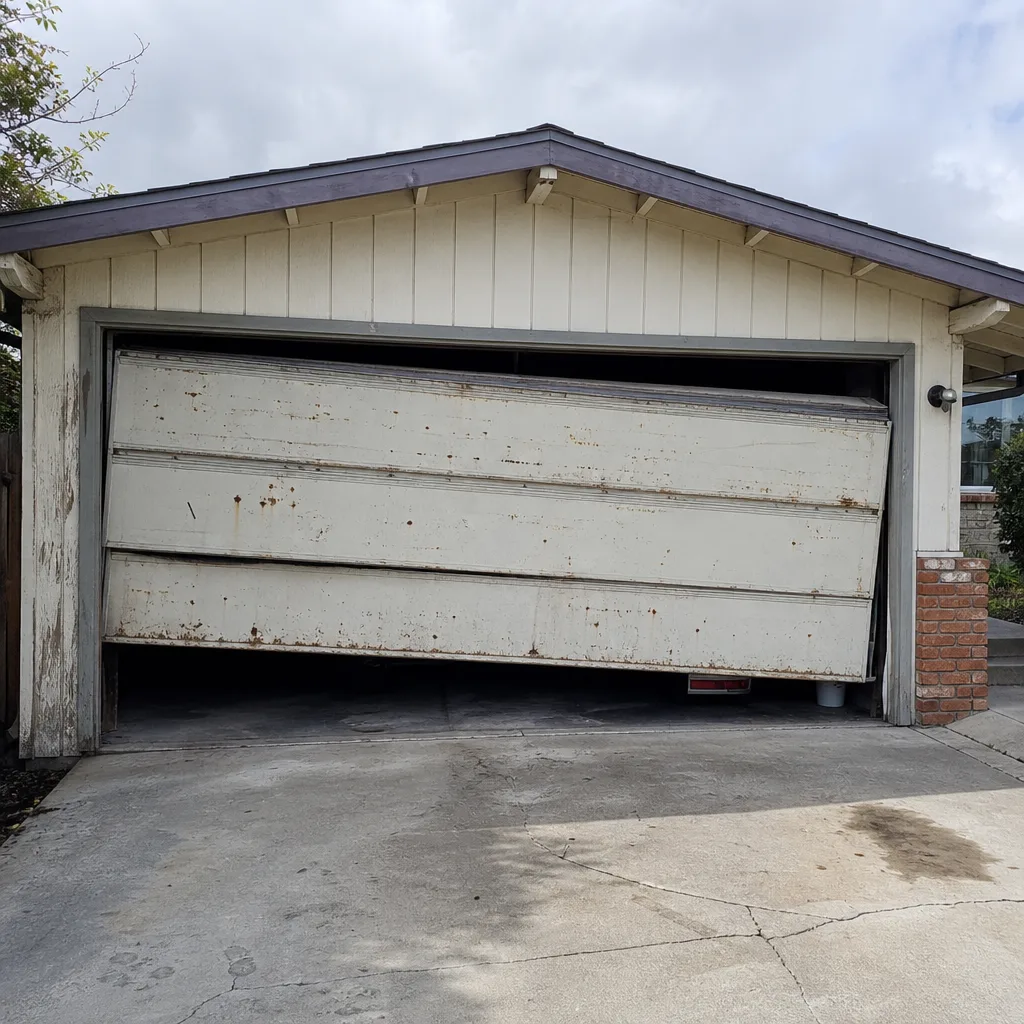 Before
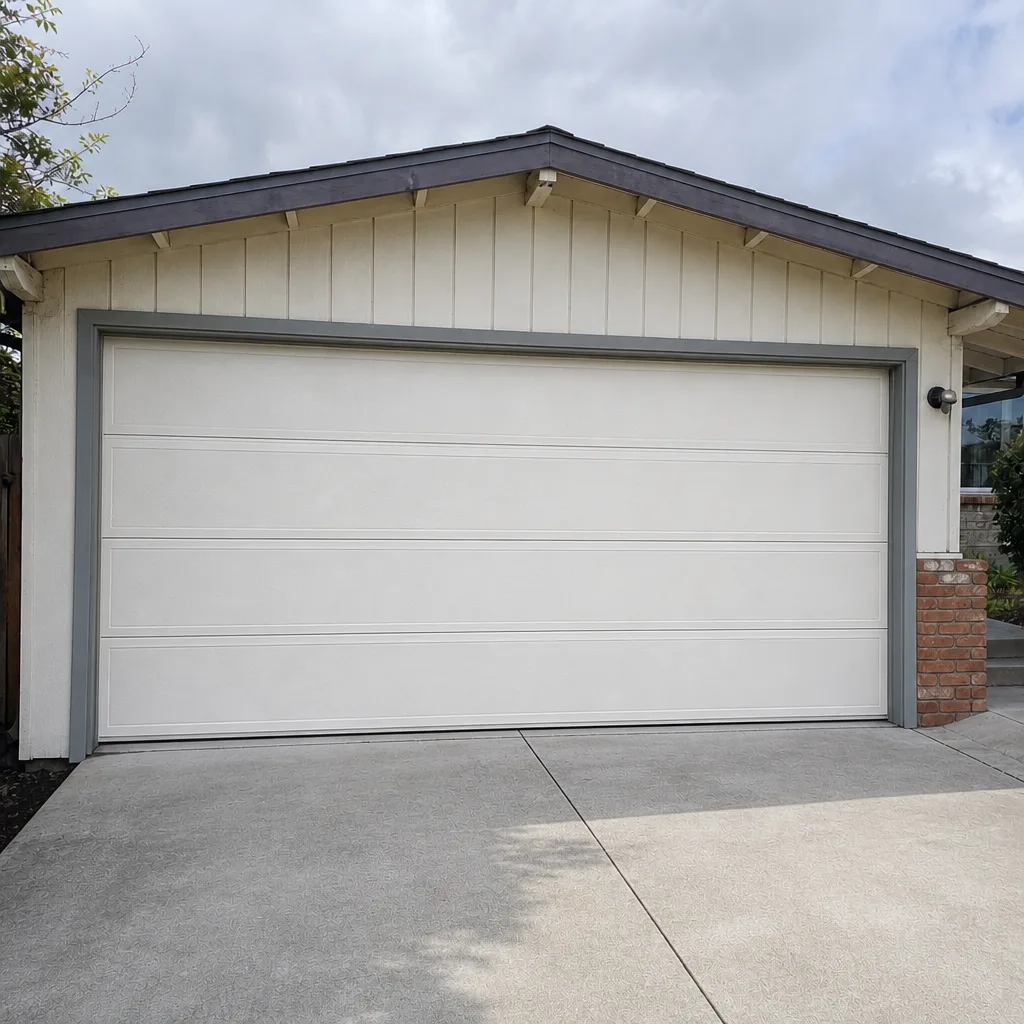 After
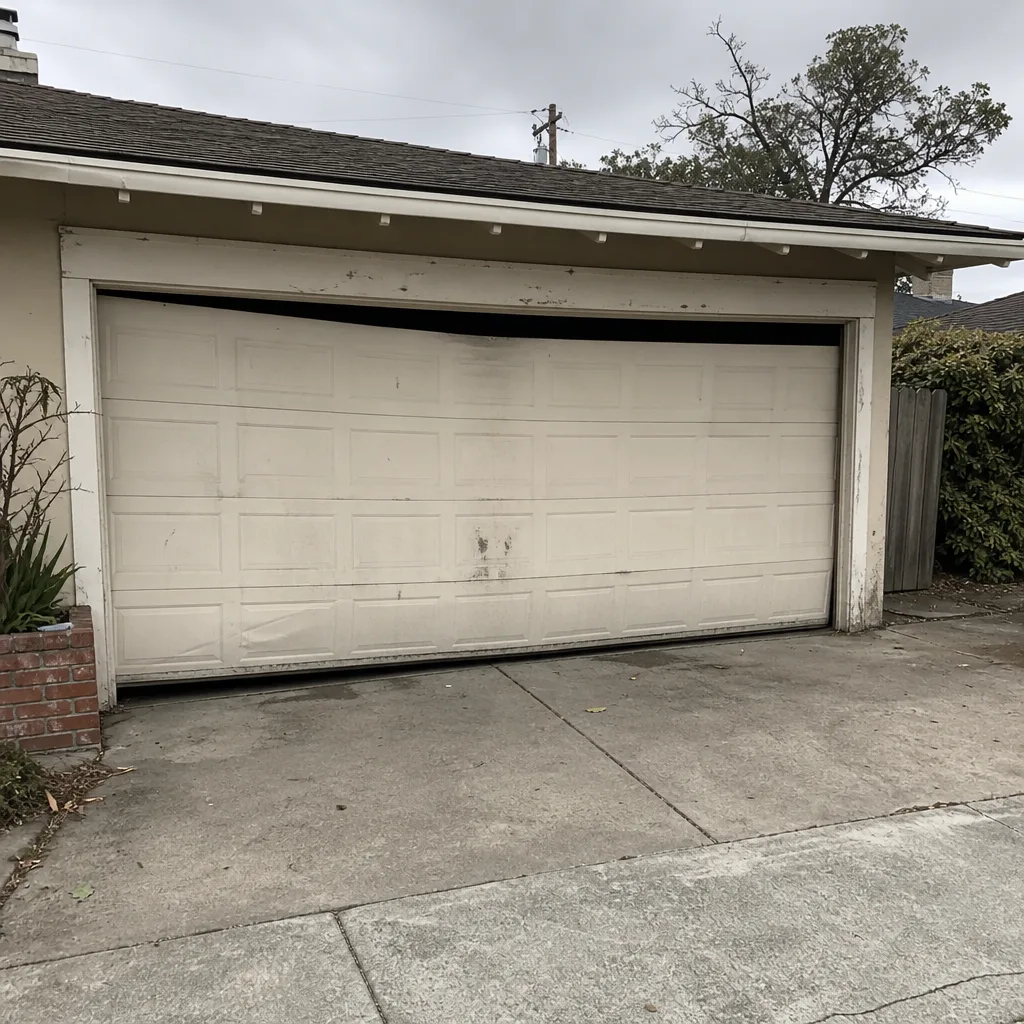 Before
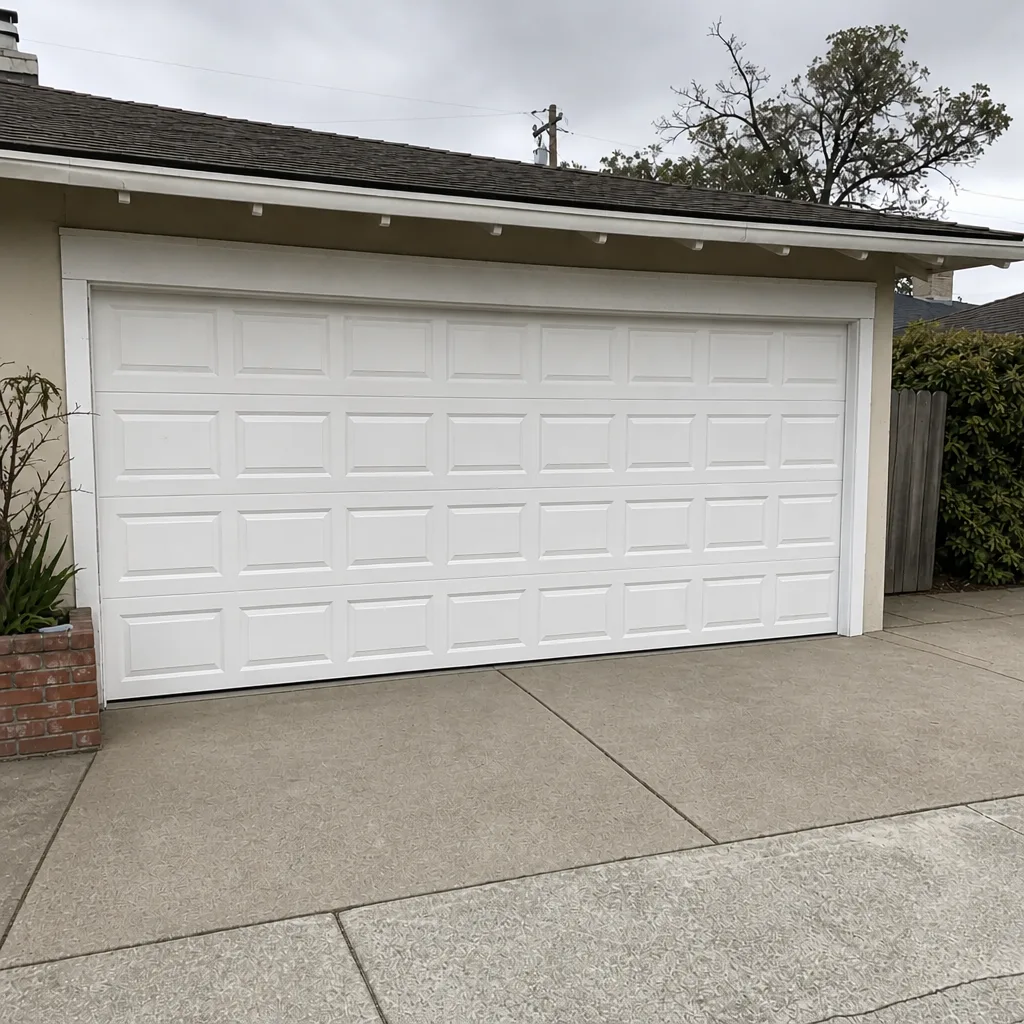 After
When to Call a Professional
Garage doors are heavy, spring-loaded systems, and a torsion spring or tension cable under failure can injure someone badly. If your door has a snapped spring, hanging cable, bent track, or off-balance panel, leave it closed and call a trained technician rather than attempting it yourself. The same goes for opener safety sensors, electrical wiring, and any smart-home integration that’s misbehaving. Those need diagnostic work by someone who knows the brand’s system, not guesswork.
Call us when you’re weighing repair against replacement, when a brand question is blocking your decision, or when you want parts-matching for a Clopay, Amarr, Wayne Dalton, Craftsman, LiftMaster, Chamberlain, Genie, or Raynor product that’s already on your garage. Quarry Garage Door Repair offers free estimates in San Mateo. Call (877) 373-8927 to talk it through. We answer 24/7. Fast dispatch from 7am to 7pm, Sunday through Friday, and we’re closed Saturday. If a door fails on a Saturday, call and we’ll get you booked into Sunday. You can also start with our garage door repair service page for details on how we work.
Frequently Asked Questions
For most San Mateo homes, the best garage door brand is the one with a strong regional parts network, a finish built for a damp, mild climate, and a model with the gauge and insulation you actually need. Clopay, Amarr, and Wayne Dalton all cover that ground well on many models, but the specific model number matters more than the brand name. Get the specs in writing before you decide, and call (877) 373-8927 for a free estimate.
You verify parts availability by asking for a specific replacement panel part number and a local sourcing timeline in days, not weeks. Run that same test on opener components for LiftMaster, Chamberlain, Genie, and Craftsman before you commit. If the answer is vague, treat it as a warning sign. A quick conversation with a technician who works on the door will settle it faster than any brochure.
LiftMaster and Chamberlain both integrate cleanly with common smart-home platforms and cameras, which makes them the usual choice for connected homes in the Bay Area. Genie also offers connected models and is strong on quiet operation. The right answer depends on which platform you run and which model tier you’re buying. Call (877) 373-8927 and we’ll talk through what pairs with your setup.
Not automatically. San Mateo’s mild, damp winters mean you should weigh finish quality, gauge, and insulation value over cold-weather reputation, and a premium brand with a thin finish is worse than a mid-tier brand with a good one. The model and its specs decide performance, not the label. Ask for gauge and finish details in writing before you buy anything.
Yes. We routinely service LiftMaster, Chamberlain, Genie, Clopay, Amarr, Wayne Dalton, Craftsman, and Raynor products already on San Mateo garages. Even a legacy Craftsman opener or an older Wayne Dalton door can usually be serviced or have components matched. Call (877) 373-8927 for a free estimate and we’ll tell you honestly whether repair or replacement makes more sense.
A garage door typically serves for 15 to 20 years, and brand choice matters most at the two edges of that range: when the door is new and you’re picking specs, and when parts fail and you’re hunting replacements. In between, a solid door with good finish and reachable parts is a reliable one. When you’re near replacement, get quotes that list exact models. Call (877) 373-8927 to compare repair and replacement costs for your door.
The Bottom Line
Garage door brand choice in San Mateo comes down to facts you can verify, not logos you can recognize. Compare doors on gauge, finish, and insulation value; confirm replacement parts can be sourced locally in days; pick an opener that fits your smart-home setup; and ask whether your contractor’s recommendation comes from multi-brand experience or a dealer agreement. The brand that’s easy to service for the next two decades will serve you better than the one that’s most heavily advertised. At Quarry Garage Door Repair, we work on the brand you already have. Call (877) 373-8927 for a free estimate and we’ll help you choose on the merits. Written by the team at Quarry Garage Door Repair.