
Last updated November 15, 2026
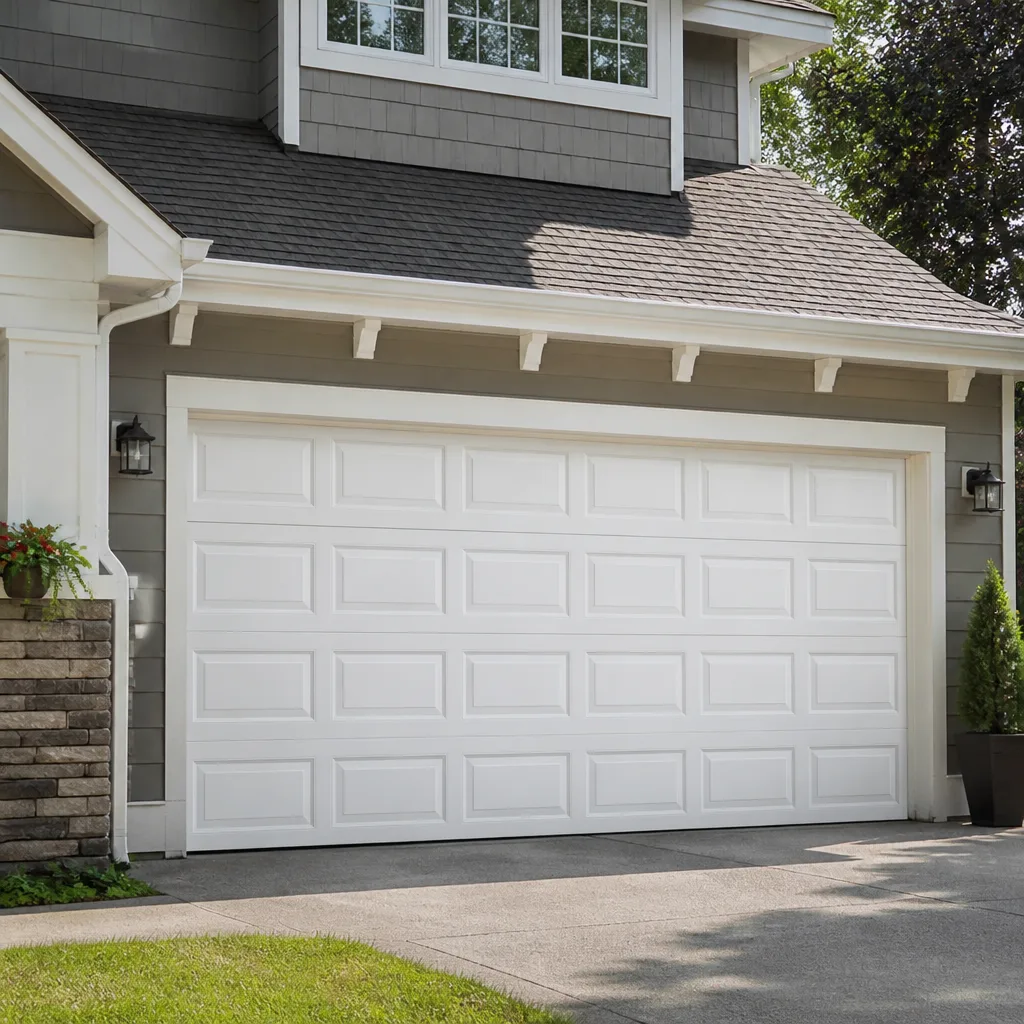 Raised-panel steel
 Carriage house
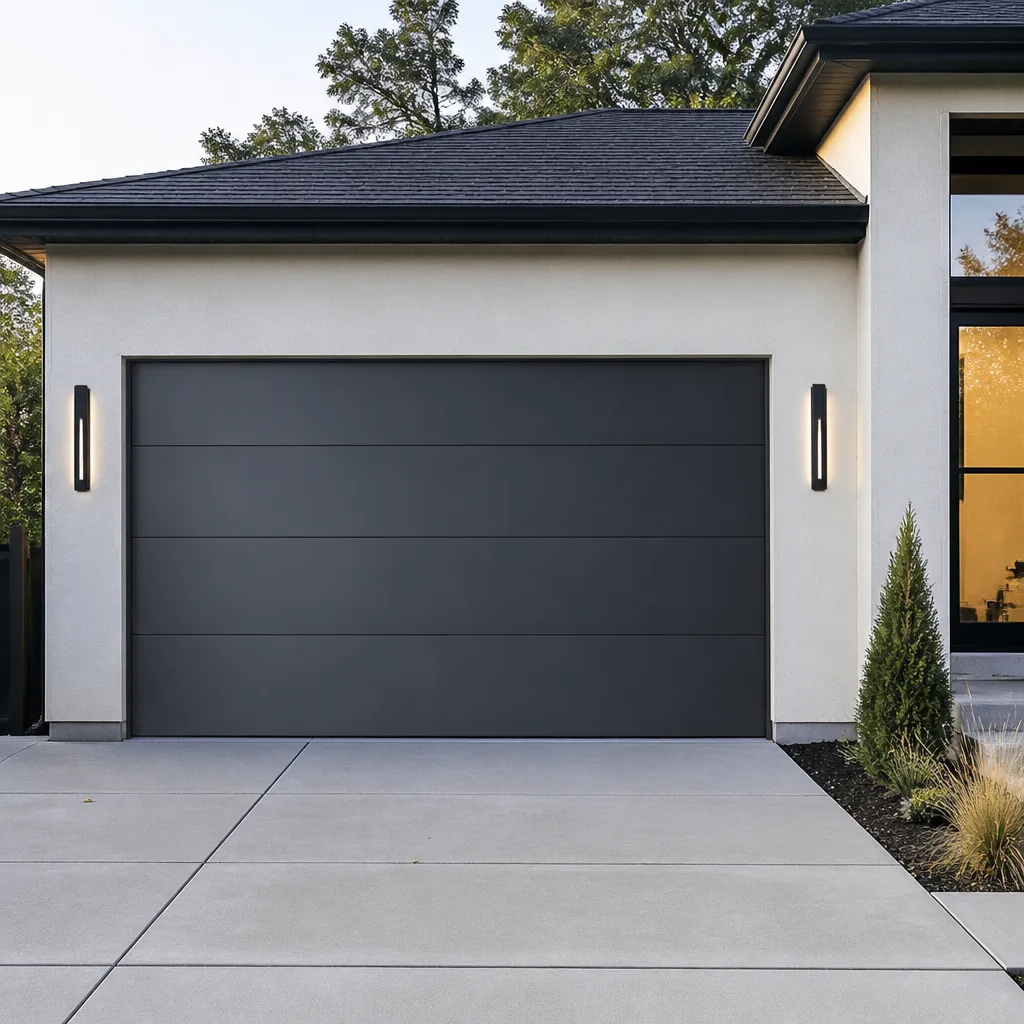 Modern flush
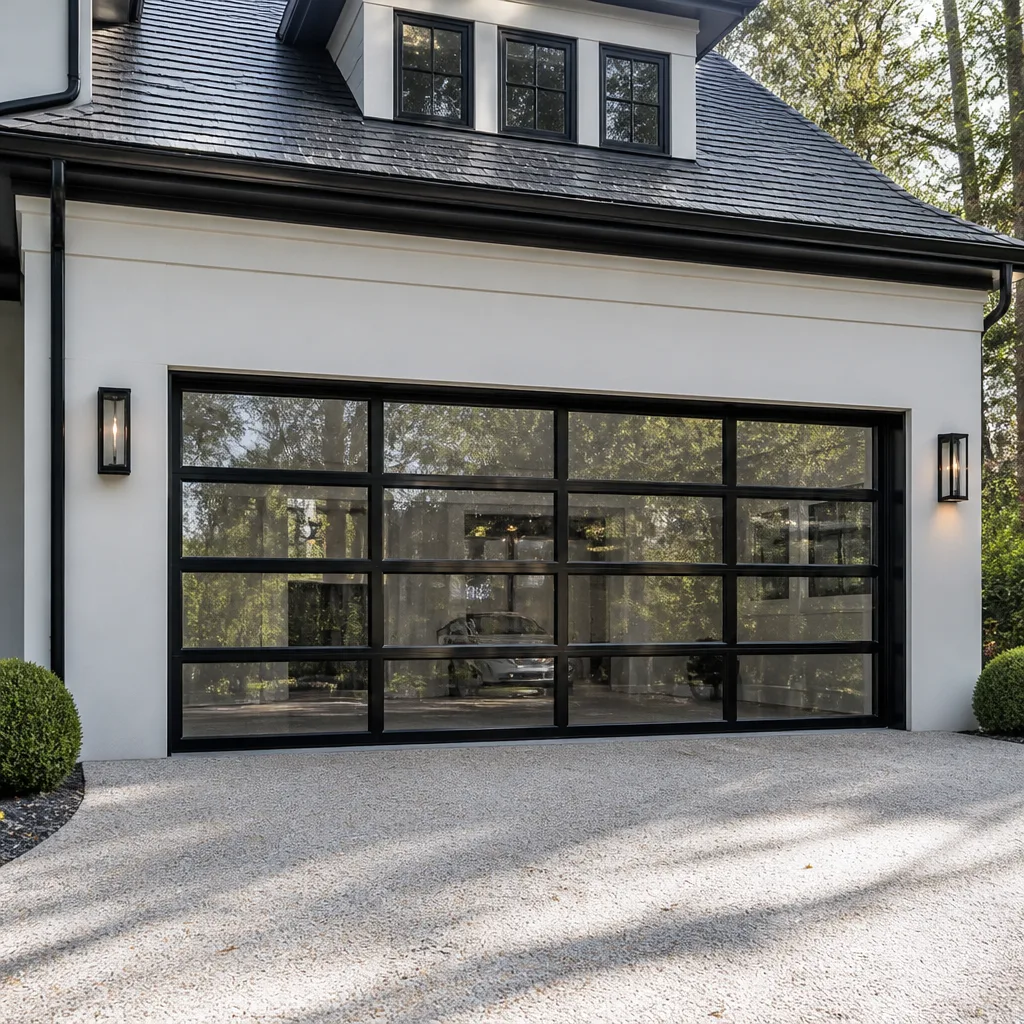 Full-view glass
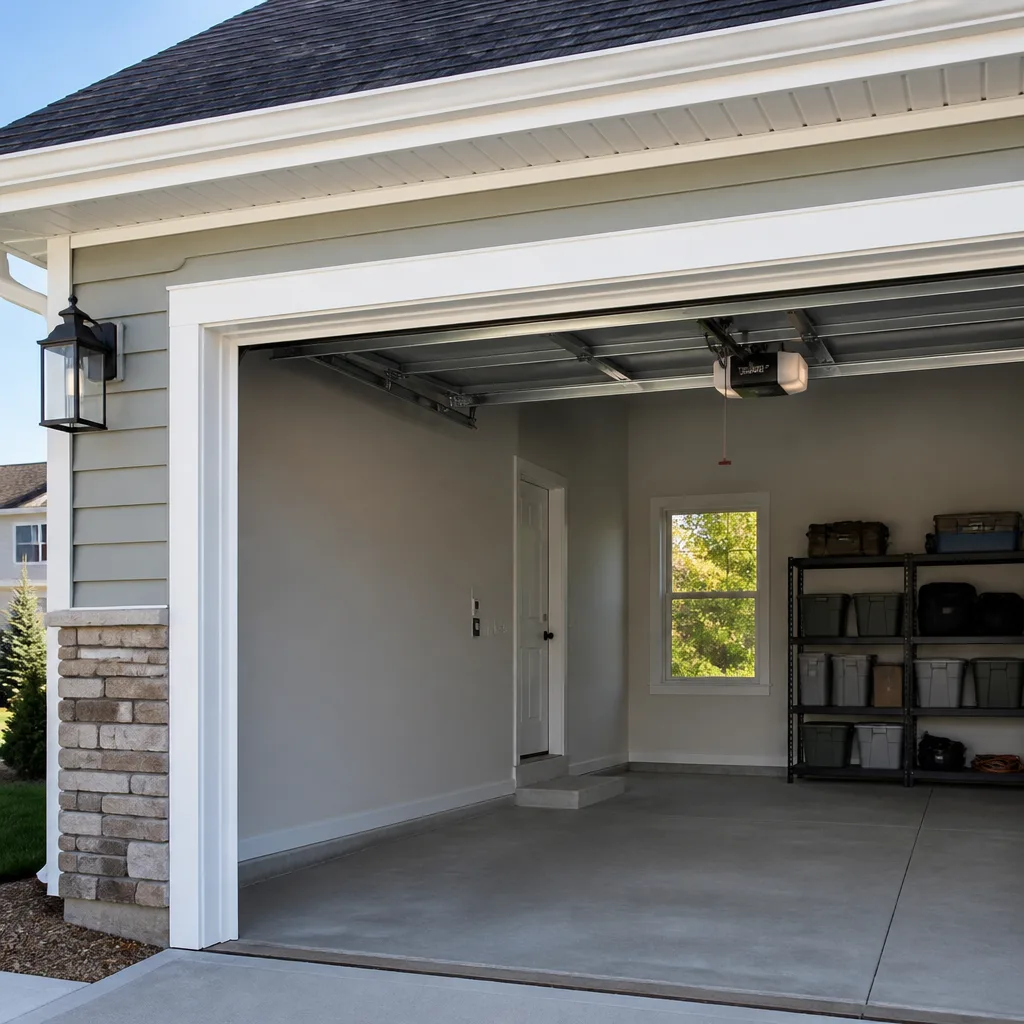 LiftMaster openers
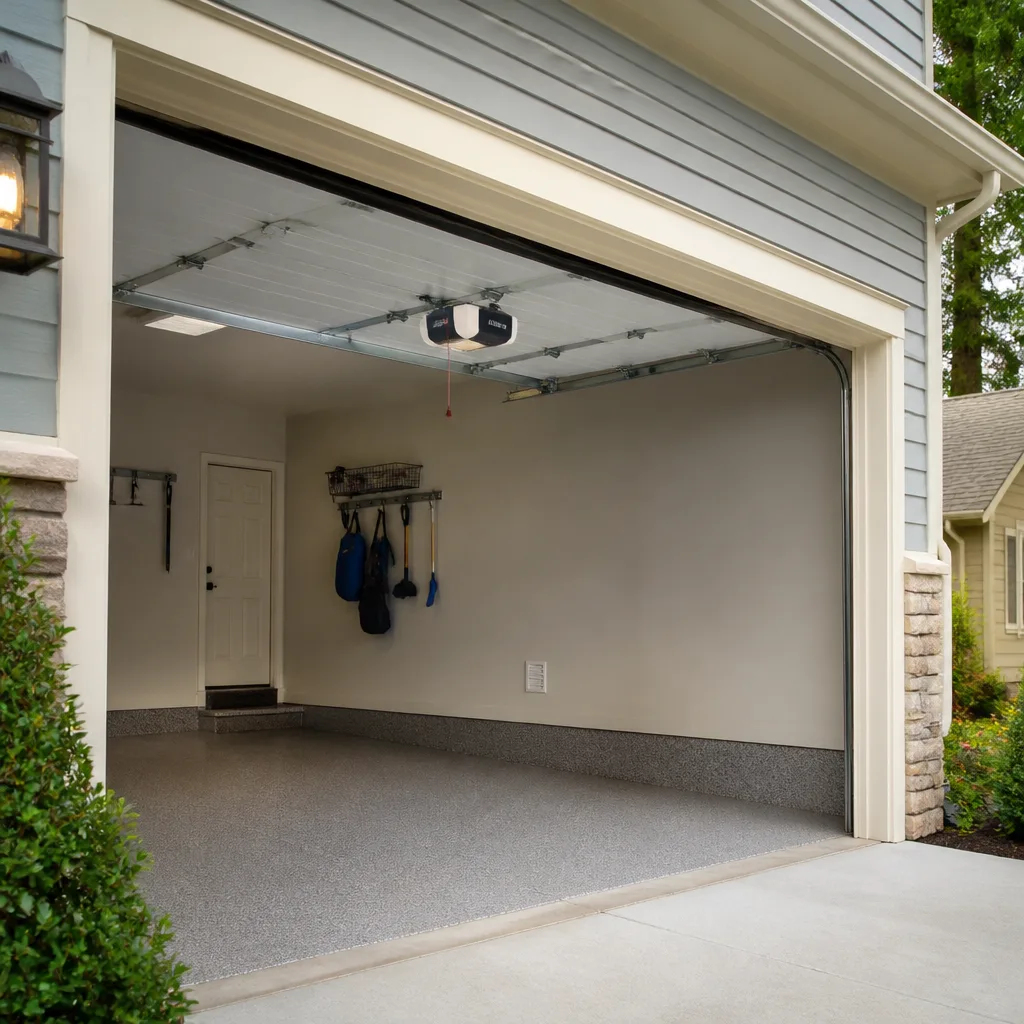 Chamberlain openers
Full 25-point door and opener safety check with every visit - springs, cables, rollers, tracks, and your LiftMaster or Chamberlain opener included
You get a price before we start. It does not change when the pro arrives.
Get your free estimateSeasonal Garage Door Care for San Mateo: Year-Round Homeowner’s Guide
Most garage door maintenance calendars are written for places with actual seasons. They tell you to winterize in November and brace for ice. San Mateo doesn’t work that way. Our coldest months are mild, our summers are mostly agreeable, and the thing that actually degrades a garage door here is the transition between dry and wet rather than cold or heat. That changes the whole maintenance rhythm. Here you’ll get a quarter-by-quarter plan for San Mateo conditions, the four 20-minute sessions that cover the year, and the specific checks that matter when the weather turns – whether it’s the October humidity shift, the marine layer, a heat spike, or the atmospheric river storms that roll through every wet season.
Quick Answer
In San Mateo, the most important garage door maintenance happens in October, when the shift from dry summer air to wet-season humidity stresses bottom seals, weatherstripping, and rollers. Break the year into four short quarterly sessions – wet-season prep in October, marine layer checks in late spring, heat and spring checks in summer, and post-storm inspection after atmospheric river events – and you’ll catch most component failures before they leave you with a stuck door.
Styles & brands we work with
- Raised-panel steel
- Carriage house
- Modern flush
- Full-view glass
- LiftMaster openers
- Chamberlain openers
Table of Contents
- Why San Mateo Maintenance Looks Different From a Standard Guide
- The October Pre-Wet-Season Checklist: Your Most Important Month
- What Marine Layer Season Does to Sensors and Seals
- Summer Heat Management for South-Facing Doors
- Post-Storm Checks After Atmospheric River Events
- The One Task Per Quarter Approach: Four 20-Minute Sessions
- Common Mistakes to Avoid
- Frequently Asked Questions
Why San Mateo Maintenance Looks Different From a Standard Guide
Garage door care advice is almost always written for climates with a hard freeze. You’ll read about frozen hinges, salt on the roads, and cracking from ice. None of that applies here. In San Mateo the temperature stays moderate, but the moisture profile swings hard. Summer is dry. Fall turns humid fast. Winter brings sustained rain. Spring is foggy. Each of those phases stresses a different part of the door.
The other local factor is housing stock. San Mateo has a lot of older homes with older doors – and plenty of newer homes with modern openers. That means we work on both legacy and current systems, sometimes on the same block. A Craftsman opener from a couple of decades ago and a new LiftMaster with smart-home integration both call for regular inspection, just of different things. Our Quarry Garage Door Repair work is focused entirely on doors and openers, which means the checks below reflect the failure points we actually see rather than a generic homeowner checklist.
One more thing:
- The wet season here starts earlier than most people expect – October is usually the pivot point.
- Marine layer weeks in May, June, and July carry heavy moisture even when it doesn’t rain.
- Occasional fall heat spikes push door panels and openers in a way mild weeks don’t.
- Atmospheric rivers deliver long, wind-driven rain that finds its way in behind seals.
Each of those has a specific maintenance answer. That’s what the rest of this guide covers.
The October Pre-Wet-Season Checklist: Your Most Important Month
October is when a San Mateo garage door gets tested. Summer’s dry air has been pulling moisture out of rubber and wood for months. When the wet season arrives, those components swell, shrink, and stiffen. The dry-to-damp transition is the single biggest driver of seal and roller failures here, and October is the month to get ahead of it.
Here’s what to check before the rain settles in:
- Bottom seal and weatherstripping: run your hand along the seal and look for cracking, flattening, or gaps at the edges. This is the first thing to fail after a dry summer.
- Rollers: open and close the door slowly and listen for grinding or squealing. Nylon rollers wear quietly; steel rollers make noise. Any roller that’s loose, cracked, or wobbly gets replaced.
- Hinges and pivot points: lubricate them, and check for play or rust. Do not lubricate the tracks – that’s a common mistake; keep the tracks clean and dry.
- Door balance: disconnect the opener and lift the door by hand to about waist height. A balanced door stays where you leave it. If it drops or rises on its own, the springs need attention from a technician.
- Weatherstripping at the top and sides: press on the rubber and look for hardening. This is your first line of defense against wind-driven rain.
- Photo-eye sensors: wipe both lenses and test that the door reverses when you pass something through the beam.
- Opener brackets and fasteners: look for loosened bolts at the ceiling mount and wall bracket. Humid air doesn’t loosen them, but a season of dry shrinkage can.
Most of this is a 20-minute walk-around with a flashlight. If any of it turns up worn parts or a door that won’t balance, that’s the point where it’s worth a look from a garage door repair technician before the wet season compounds the problem. Better to catch a worn bottom seal in October than to find it during the first real storm.
What Marine Layer Season Does to Sensors and Seals
From May through July, San Mateo gets stretches of heavy morning fog that burn off by midday. That moisture does two things to a garage door: it fogs the photo-eye sensors, and it keeps the bottom seal from fully drying out. Neither is dramatic on its own. Over weeks, though, the cumulative effect adds up.
The sensor issue is the one homeowners notice first. Modern openers – LiftMaster, Chamberlain, Genie – rely on a photo-eye safety beam to stop the door from closing on something. When those lenses get condensation, dust, or a film of moisture day after day, the beam weakens and the opener thinks there’s an obstruction. The door reverses. You press the button again. It reverses again. A lot of service calls we get in late spring are really just fogged lenses that need a wipe-down and a small adjustment.
What helps during marine layer season:
- Wipe the photo-eye lenses every week or two during the foggy stretch – a dry cloth is enough.
- Make sure both sensors are aimed straight at each other and not knocked out of line by a bump or a parked car.
- Check that nothing – a rake handle, a bag of potting soil, a bike wheel – is nudging the sensor mounts.
- Look at the bottom seal after a foggy stretch: if water beads on it in the morning and doesn’t dry by evening, the seal is degrading.
- Open the door once a day if it isn’t used daily. The movement keeps the rollers and hinges from seizing in the humidity.
If the door reverses repeatedly even with clean lenses, the sensor is misaligned, the wiring has a fault, or the opener board has an issue. That’s an opener diagnosis, not a door problem, and it’s exactly the sort of thing a garage door opener repair visit sorts out quickly.
Summer Heat Management for South-Facing Doors
San Mateo’s summers are not brutal, but we do get heat spikes, and the orientation of your garage matters. A south-facing door takes direct sun through the hottest part of the day. The panels expand. The bottom seal softens. And the springs, which are calibrated for a specific balance, can start to feel different under thermal cycling.
Here’s what’s worth checking once you’re into the warm stretch:
- Panel alignment: look from the side of the door along the panel edges. If a panel edge catches light unevenly, that’s a sign of warping from heat exposure.
- Door balance, done safely: disconnect the opener and lift the door by hand. If it feels heavier than it did in spring or doesn’t stay at the halfway point, the springs are likely due for adjustment. Do not attempt spring adjustment yourself – garage door springs are under serious tension and can cause severe injury.
- Bottom seal: press on it with your thumb. A seal that dents and doesn’t bounce back is on its way out.
- Opener operation under heat: run the door up and down a few times mid-afternoon and listen. If it hesitates or the motor strains, the opener is working harder than it should, often because the door isn’t balanced.
- Ventilation: crack the human door or open the main door briefly during the hottest days to keep the garage from trapping heat.
Springs are the number one thing we check in summer. A spring that was fine in March can lose tension over a hot, dry stretch and start overloading the opener. If the door feels heavy, don’t wait for it to fail outright. Call (877) 373-8927 for an appointment and we’ll look at balance, spring condition, and opener wear together.
Post-Storm Checks After Atmospheric River Events
Atmospheric river storms are the real weather story of a San Mateo wet season. They bring long, wind-driven rain and their aftermath is when a lot of subtle damage shows up on garage doors. Most of it isn’t catastrophic – a bottom seal that’s been shoved out of its track, a sensor knocked out of alignment by wind-blown debris, or a track that’s been nudged off alignment by water pooling at the base of the door.
After a big storm settles, do a walk-around:
- Door edges and seal: check that the bottom seal is still attached and hasn’t been pushed up or torn by wind-driven water. Look at the weatherstripping at the top corners for gaps.
- Tracks: check that both tracks are still perpendicular to the floor and nothing has shifted. Look for standing water at the base of the door frame – that’s usually a grading issue, but it does stress the bottom of the door and seal.
- Hinges and fasteners: check for rust and looseness. Sustained moisture can accelerate corrosion on lower hinges if the finish has worn.
- Photo-eye sensors: debris blown into the beam path or water spots on the lenses will stop the door closing. Wipe and realign.
- Opener head: if the opener is mounted to a ceiling that leaks in heavy rain, that’s a separate problem, but it can affect the opener over time. Look for water stains around the mounting hardware and the light housing.
- Spring condition: look up at the springs for visible rust or a gap. Don’t touch them – if something looks wrong, call a technician.
If a track has been pushed out of alignment, don’t try to force it back in place with a crowbar. A track that’s off by more than a small amount can cause a door to bind, and binding leads to bigger damage. That’s a job for someone who works on doors every day.
The One Task Per Quarter Approach: Four 20-Minute Sessions
The annual overhaul approach – set aside a whole Saturday once a year and do everything at once – doesn’t fit San Mateo. The weather shifts faster than that, and it’s easy to reason your way out of a whole-day job. Instead, we recommend four small sessions per year. Each one takes 20 minutes and hits the components that are actually vulnerable during that quarter.
Here’s the split we’ve found works best for doors in San Mateo:
- October – wet-season prep: full inspection of seals, weatherstripping, rollers, hinges, balance, and sensors. This is the biggest of the four sessions.
- February – mid-wet-season check: after the first months of sustained rain, look for seal wear, rusted hinges, and any water intrusion. Wipe the sensors and re-lubricate.
- May – marine layer transition: focus on photo-eye sensors and the bottom seal as the fog rolls in. Test reversals daily for the first week of heavy marine layer.
- August – heat and spring check: run the balance test, look at springs for visible changes, and listen to the opener for strain. Panel alignment and bottom seal condition are the other priorities.
The point of the quarterly approach is that none of these sessions is intimidating. You can do each one before work one morning, or while the coffee boils. And when you do find something – a seal that’s going, a roller that’s worn, a spring that’s lost tension – you’re finding it in a season where the door is still working, not in the middle of a storm with the car trapped inside.
Over a few years, these four sessions also give you a maintenance log. You know when the last seal was replaced, when the last spring was adjusted, when the last roller set was swapped. That’s useful information to have when you do need a bigger repair and want an honest answer about whether it’s worth doing.
See the difference
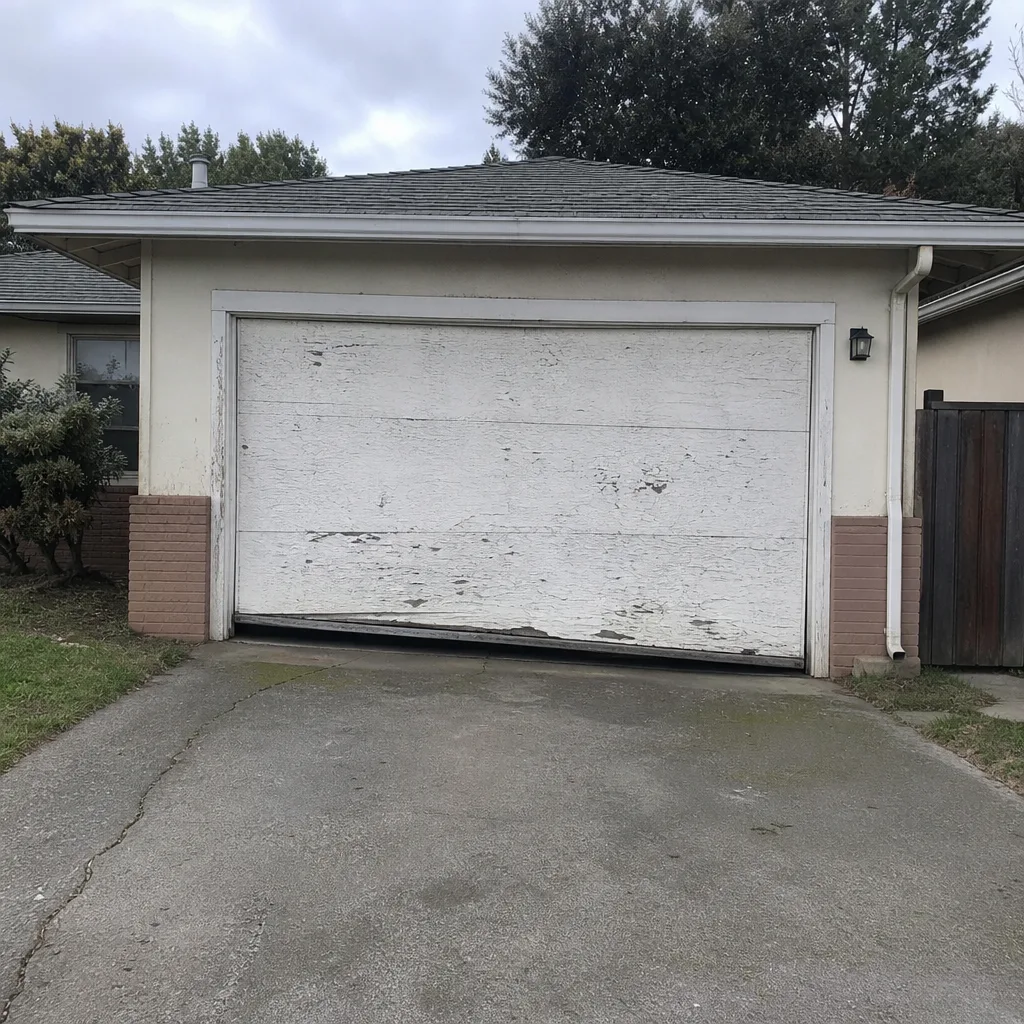 Before
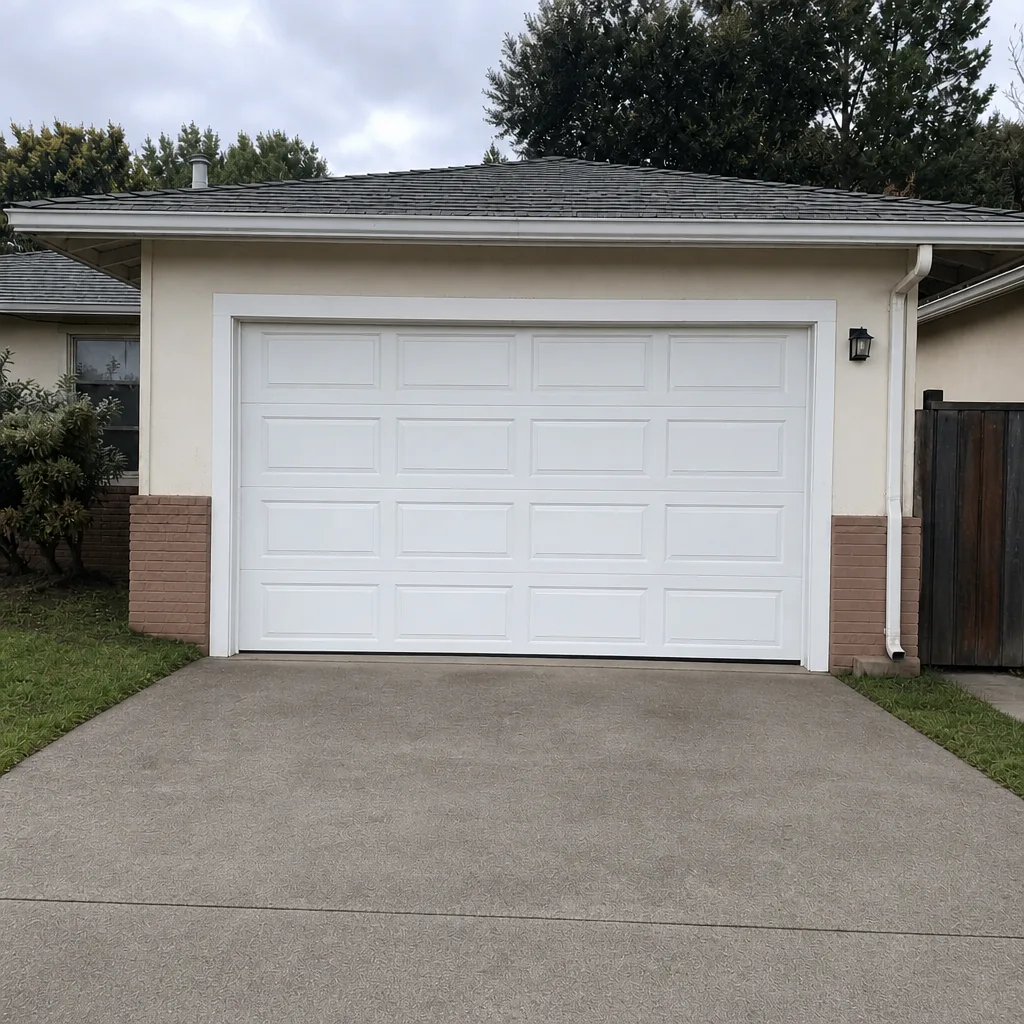 After
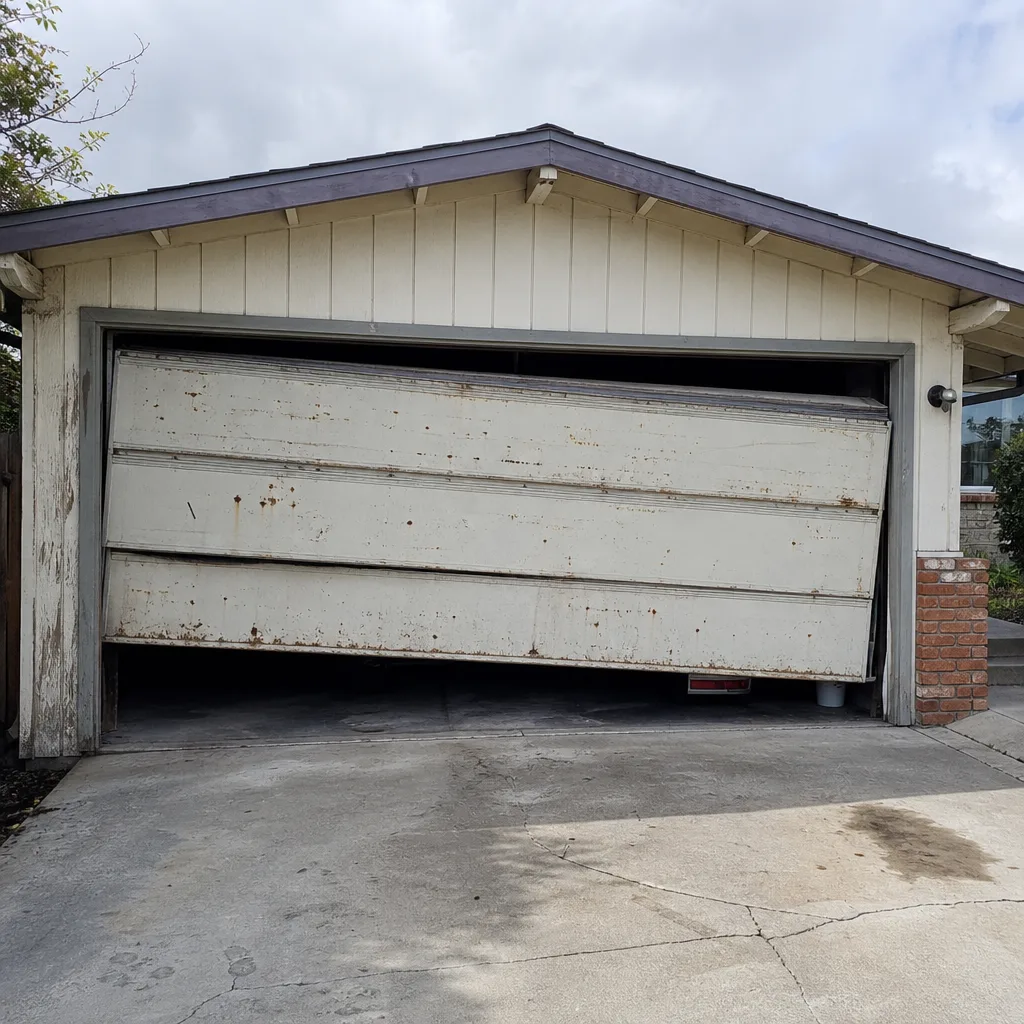 Before
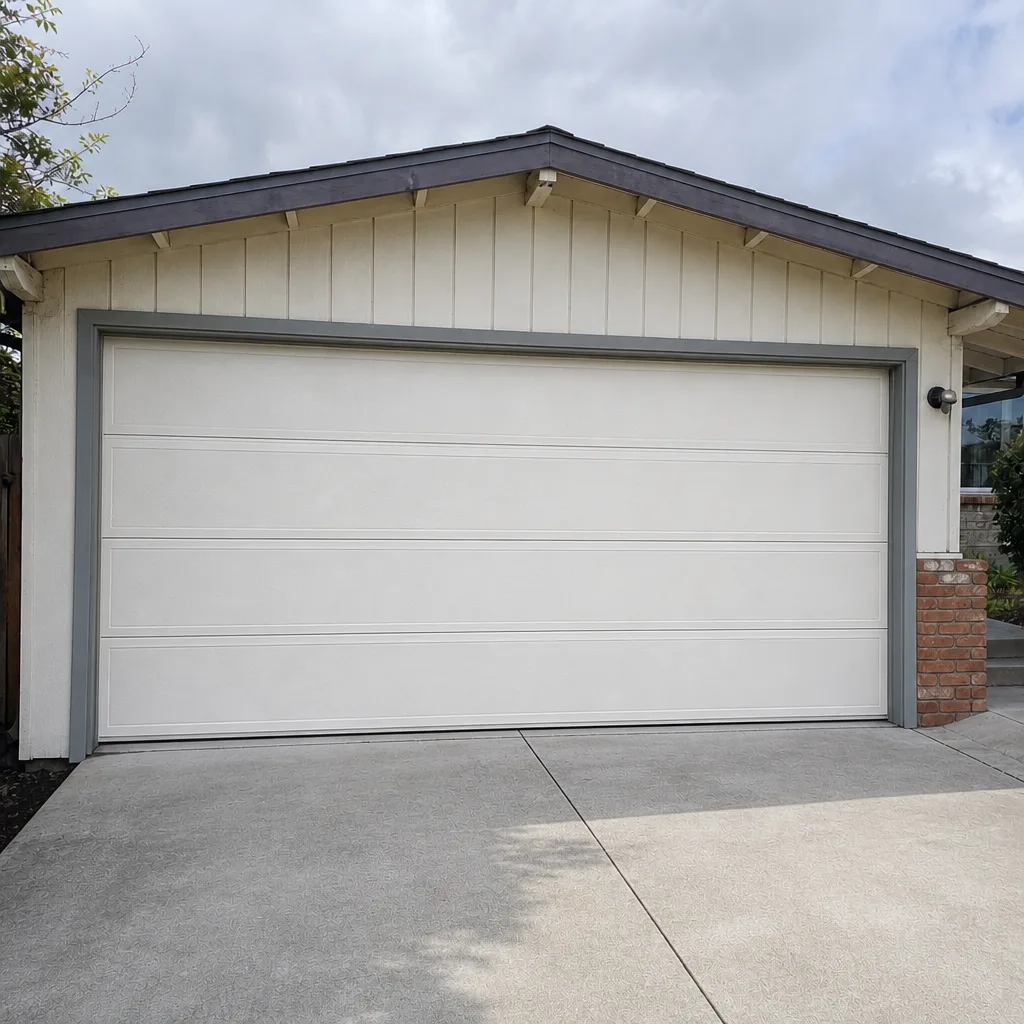 After
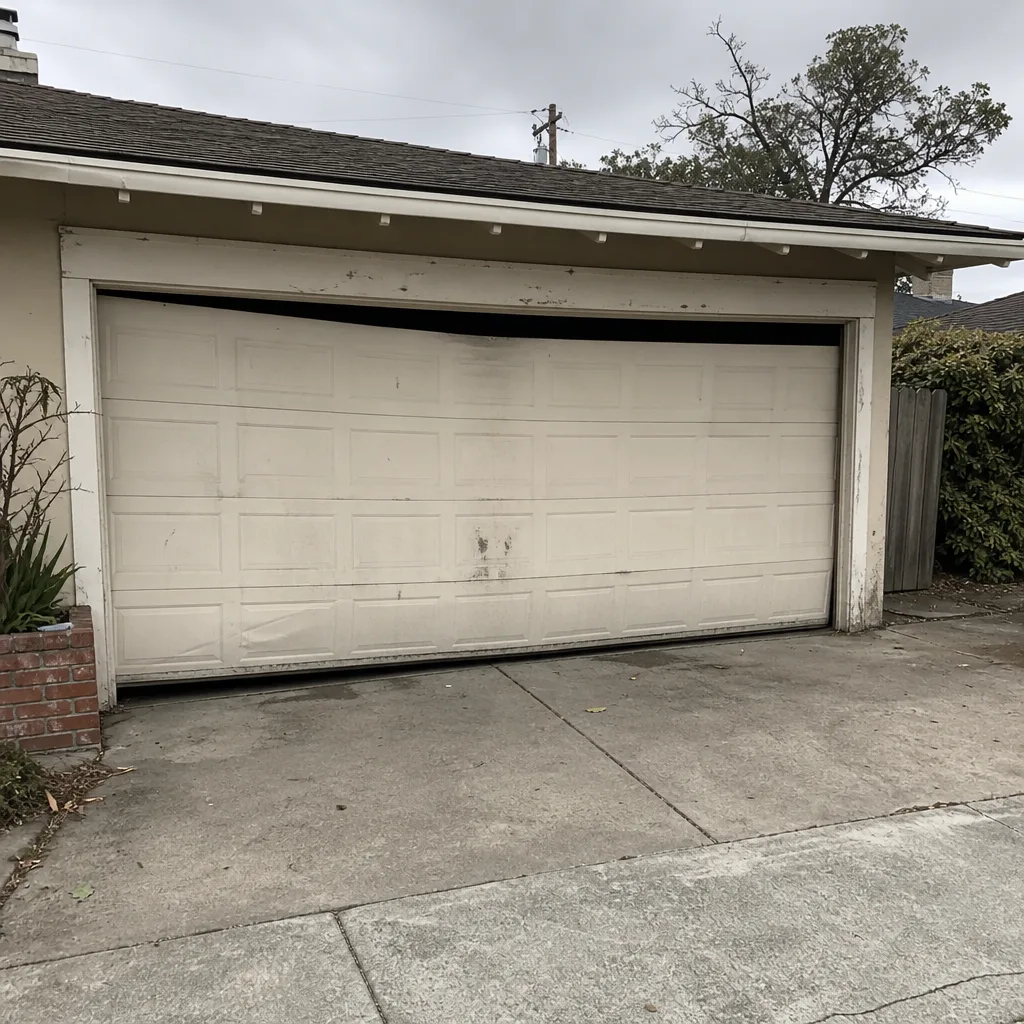 Before
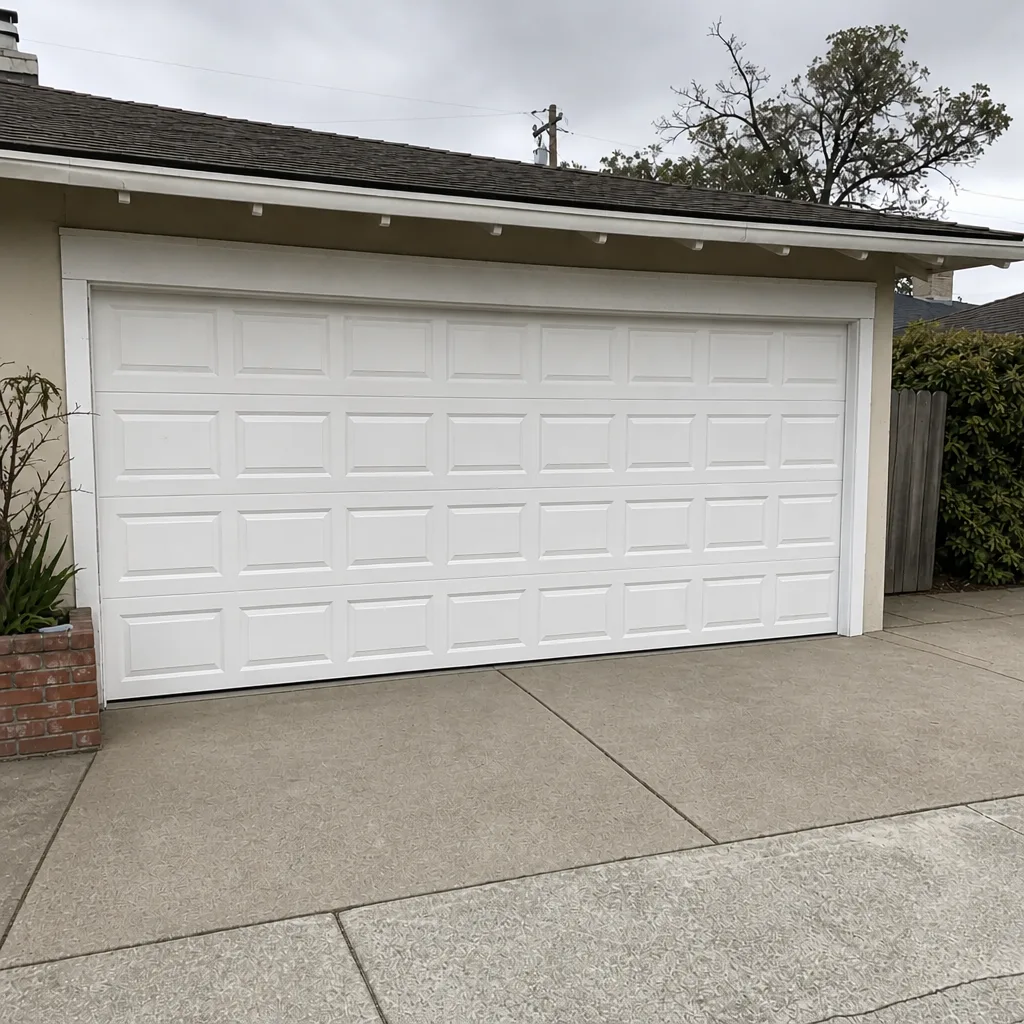 After
Common Mistakes to Avoid
- Following a northern-climate winterization guide: San Mateo doesn’t freeze, so most of the winterization steps you read online are irrelevant here. Focus on the dry-to-damp transition, not ice and snow.
- Greasing the tracks: oil in the tracks attracts grit and mixes with dust into a paste that makes the rollers drag. Keep tracks clean and dry, and lubricate the rollers, hinges, and springs – not the tracks.
- Assuming fogged sensors mean a broken opener: a lot of early-summer opener “failures” in San Mateo are just condensation and dust on the lenses. Wipe first, adjust second, then call.
- Skipping the post-storm check: after an atmospheric river event, most of the damage is invisible until the door starts binding. Ten minutes of walking the door saves hours of repair later.
- Trying to adjust spring tension yourself: springs are under heavy tension and can cause serious injury if they fail during a DIY adjustment. Leave those to a technician.
- Ignoring a heavy-feeling door in summer: a door that suddenly feels heavier in August is telling you the springs are losing tension. Waiting for it to snap or for the opener to burn out costs more in the long run.
- Replacing the whole door when a panel or component would do: if the frame, tracks, and springs are sound and only a panel or a bottom seal has failed, that’s often the smaller job. Get a professional opinion before assuming you need a full replacement.
When to Call a Professional
Most seasonal care is genuinely do-it-yourself territory: seals, sensors, hinges, and the once-a-quarter walk-around. The point where it stops being DIY is when you’re looking at the springs, the cables, the opener’s internals, or a track that’s been knocked out of alignment. Those carry real injury risk and rarely go back right through trial-and-error. It also makes sense to call when a door has failed twice in a row – the second failure usually tells you the first repair missed the root cause.
Quarry Garage Door Repair offers free estimates in San Mateo and works on the brand you already have – whether that’s a LiftMaster or Chamberlain opener and a Raynor or Clopay door – so the diagnostic is done by someone who knows the system, not someone reverse-engineering it. Call (877) 373-8927 for a free estimate. We answer 24/7. Fast dispatch from 7am to 7pm, Sunday through Friday. Whether it’s a worn bottom seal after a wet season or a stubborn opener problem, we’ll tell you what actually needs doing, and the price is agreed before any work starts.
Frequently Asked Questions
October is the most important month. The transition from dry summer air to wet-season humidity is what stresses seals, weatherstripping, and rollers here, and catching those failures in October prevents the bigger problems that show up in the middle of the wet season. Call (877) 373-8927 for a free estimate if you’d rather have a professional walk your door before then – estimates are free.
Four short sessions a year is more effective here than one long annual overhaul, because San Mateo’s weather changes more often than once a year. October, February, May, and August each stress a different part of the door, and each of those sessions only takes about 20 minutes. Call (877) 373-8927 if you’d rather have us run the checks with you.
Reversing during fog is almost always the photo-eye sensors. The lenses collect condensation overnight, the safety beam weakens, and the opener interprets it as an obstruction. Wipe both lenses with a dry cloth and check the alignment. If it keeps happening after that, the sensors or the opener wiring need a technician – call (877) 373-8927 for a free estimate.
No. Garage door springs are under heavy tension and can cause serious injury if they fail during handling or adjustment. Check spring condition visually and by testing door balance by hand, but leave any adjustment to a trained technician. Call (877) 373-8927 and we’ll look at them for you.
Check the bottom seal, the weatherstripping at the top and sides, the tracks for alignment, the hinges for rust and loosening, and the photo-eye sensors for debris and water spots. Sustained wind and rain tend to nudge tracks and jam seals, and those are easy to spot early. If anything looks off, call (877) 373-8927 for a free estimate.
No. The written estimate sets the price, and it’s agreed before any work starts. Seasonal checks and one-off repairs are quoted per job, so you know the number before the work begins. Call (877) 373-8927 for a free estimate – estimates are free.
The Bottom Line
San Mateo doesn’t have dramatic seasons, but it does have a real maintenance rhythm: dry summer, humid October, wet winter, foggy spring. The door cares about that rhythm more than it cares about how cold it gets. Get the October prep done, keep the sensors clean through marine layer season, check spring balance in the summer heat, and do a short walk-around after each atmospheric river storm. Four 20-minute sessions a year is all it takes. Call (877) 373-8927 for a free estimate if anything turns up. We answer 24/7. Fast dispatch from 7am to 7pm, Sunday through Friday.
Written by the team at Quarry Garage Door Repair.