
Last updated November 15, 2026
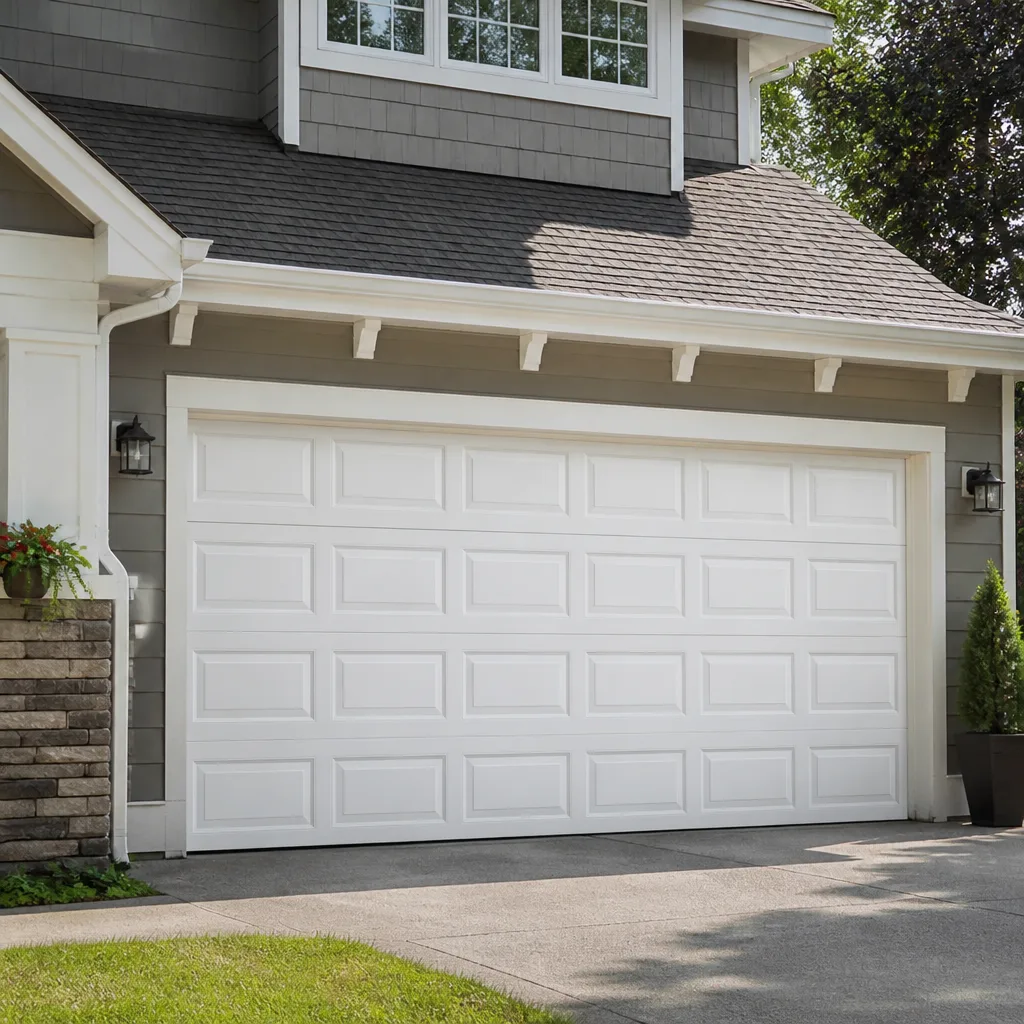 Raised-panel steel
 Carriage house
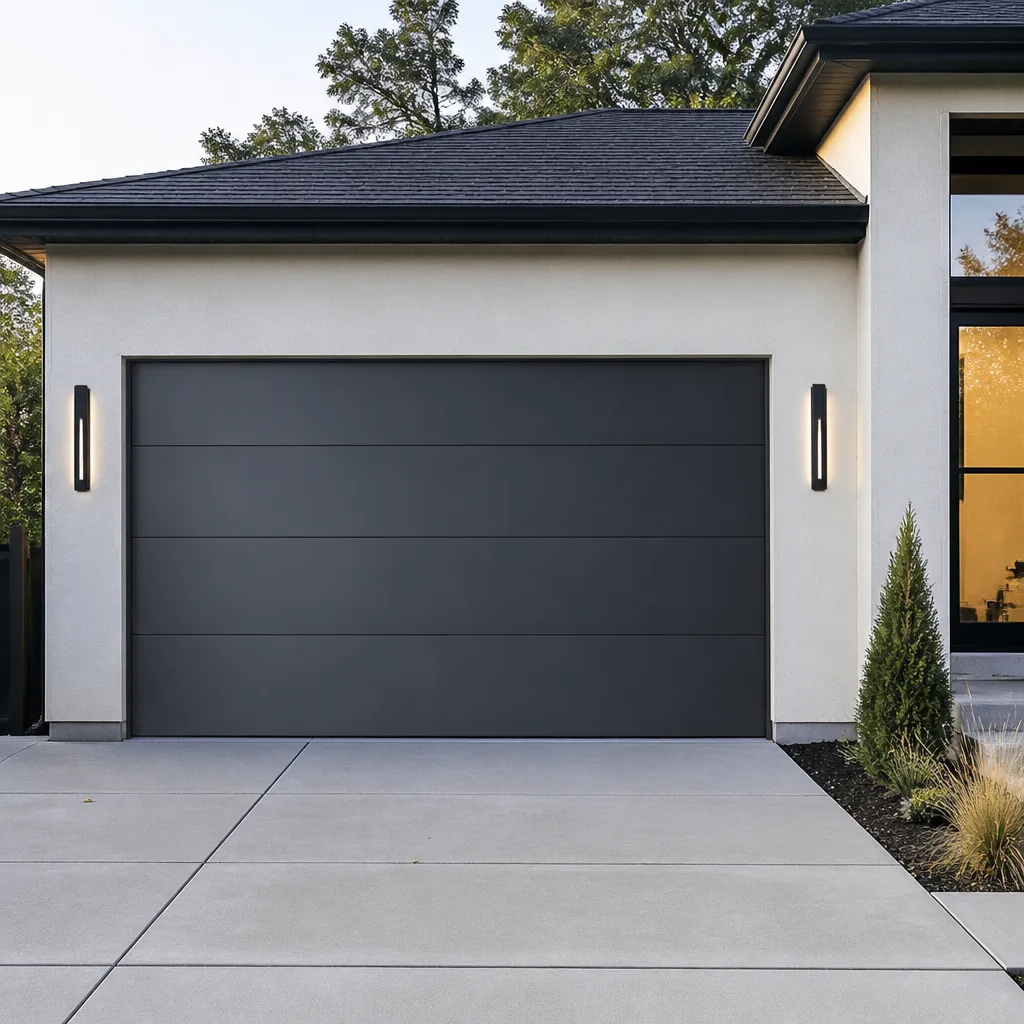 Modern flush
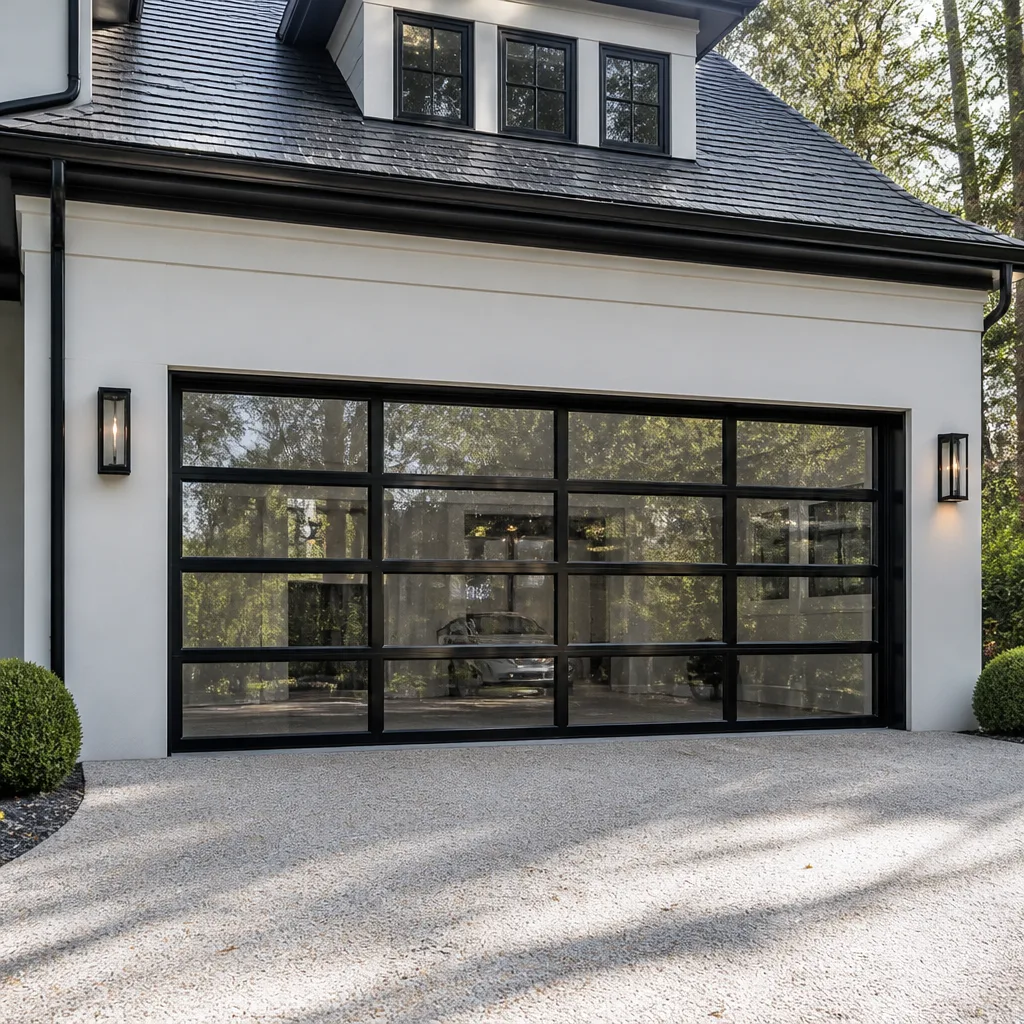 Full-view glass
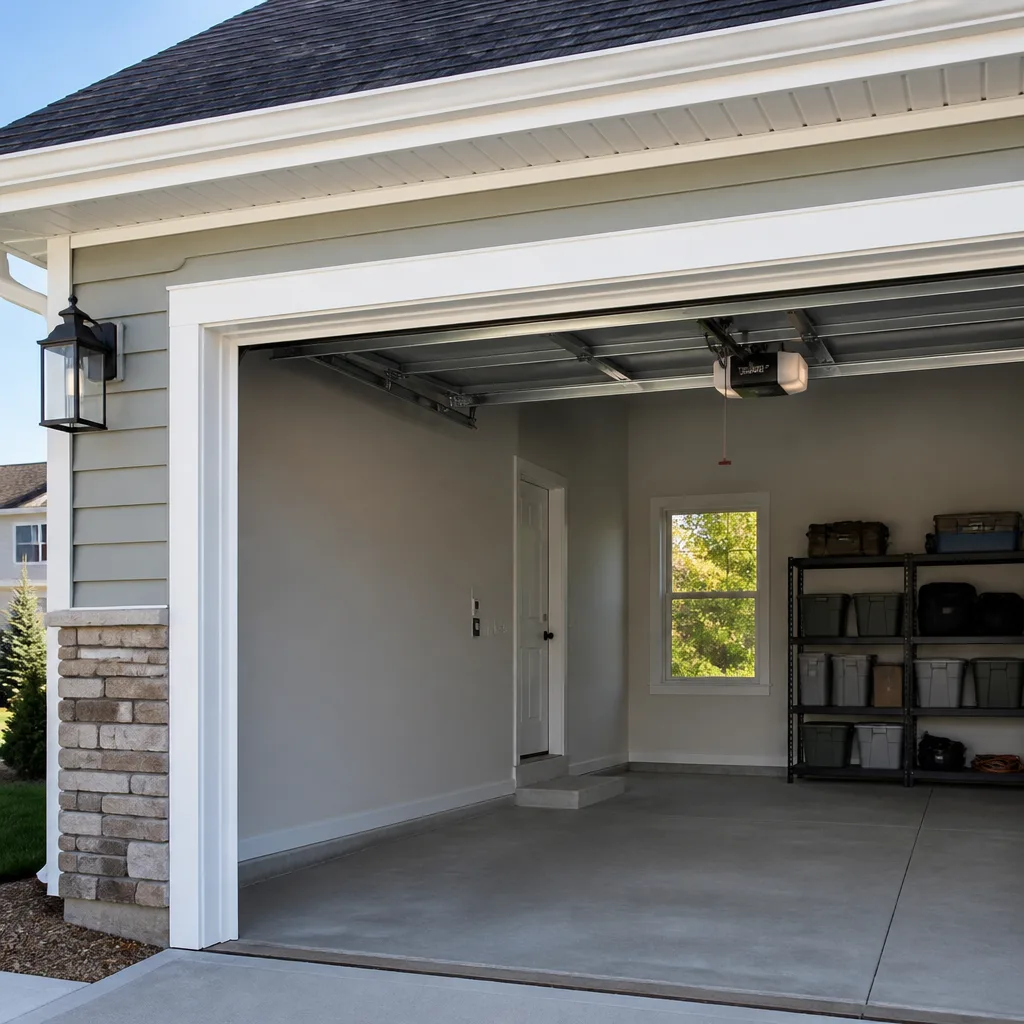 LiftMaster openers
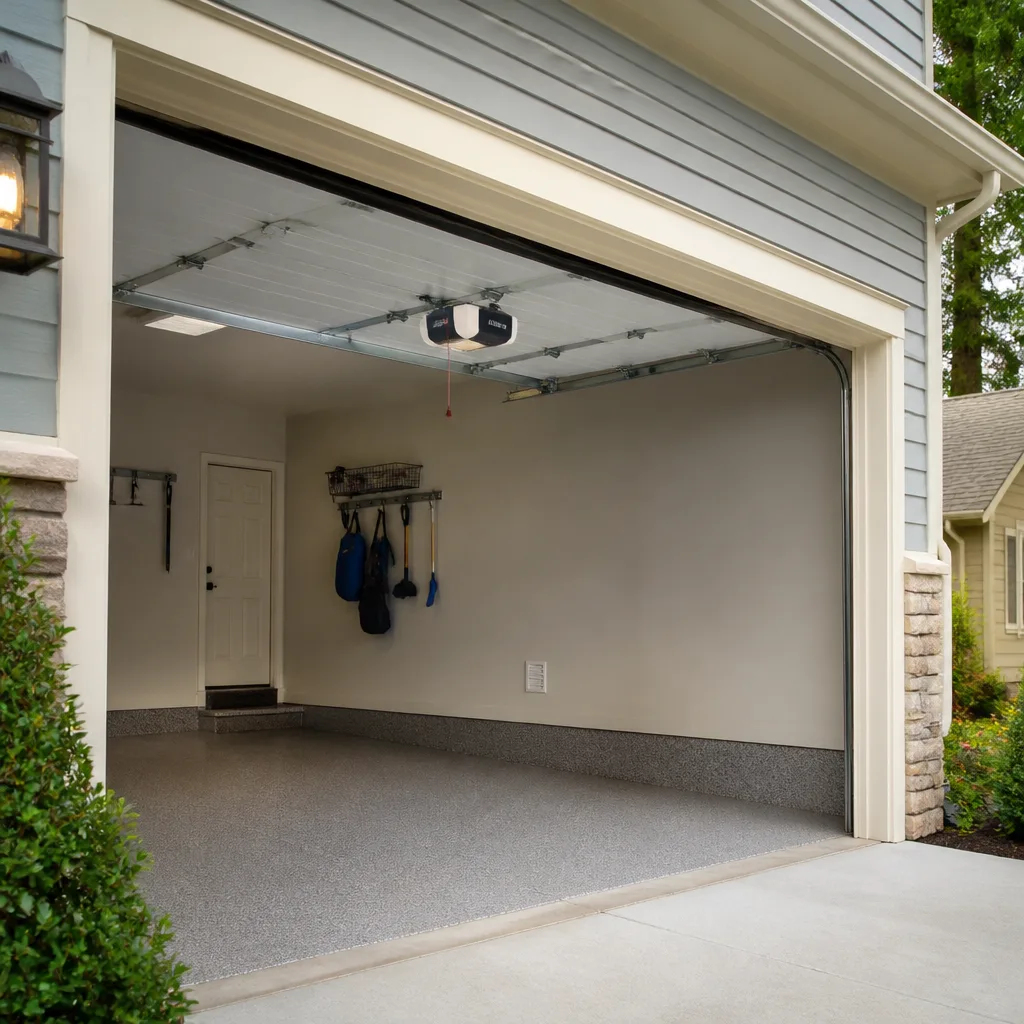 Chamberlain openers
Full 25-point door and opener safety check with every visit - springs, cables, rollers, tracks, and your LiftMaster or Chamberlain opener included
You get a price before we start. It does not change when the pro arrives.
Get your free estimateGarage Door Repair Maintenance Schedule: What to Do and When
If you’re lubricating your garage door springs the same month every year regardless of how often you use the door, you’re following a calendar schedule instead of a mechanical one. Springs, rollers, and hinges don’t wear out on a calendar; they wear out on cycles. A household that opens the door eight times a day racks up close to 3,000 cycles a year, while a retired couple who parks outside might add 600. Treating those two doors the same wastes money on one and risks a breakdown on the other. This guide builds a maintenance schedule around your door’s actual workload and San Mateo’s wet-and-dry seasons, with a component-by-component lifespan reference so you know what you’re watching for. You’ll learn how to calculate your own intervals, run the balance test correctly, and keep a log that lets any technician understand your door’s history.
Styles & brands we work with
- Raised-panel steel
- Carriage house
- Modern flush
- Full-view glass
- LiftMaster openers
- Chamberlain openers
Quick Answer
Base your garage door maintenance schedule on cycle count, not months: a door used eight times a day needs springs and rollers inspected about every 9 to 12 months, while a door used twice a day can stretch that to 18 months. Lubricate hinges, rollers, and tracks every six months regardless of use, and do a balance and safety-reverse test once a year. In San Mateo, add a hardware and weather-seal inspection each October before the wet season and a second check in April when the rains ease.
Table of Contents
- Why Your Door’s Cycle Count Matters More Than the Calendar
- How to Calculate Your Door’s Maintenance Interval
- Component Lifespan Reference: What Wears Out and When
- How to Run the Door Balance Test Correctly
- San Mateo Seasonal Schedule: Wet Season vs. Dry Season
- The Monthly, Quarterly, and Annual Task List
- What to Record in a Maintenance Log and Why It Matters
- Common Mistakes to Avoid
- When to Call a Professional
- Frequently Asked Questions
- The Bottom Line
Why Your Door’s Cycle Count Matters More Than the Calendar
A garage door is one of the few machines in your home that counts its own work. Every open-and-close is one cycle, and each component has a rated life measured in cycles, not years. Torsion springs are the clearest example: a standard spring is rated for a set number of cycles, and once those cycles are used up, the spring breaks. There’s no warning gauge. The only variable you control is how fast you spend them.
This matters more in San Mateo than in a lot of places, because how people use their doors here varies widely. Some blocks near downtown have homes where the garage is the main entry, so the door cycles four to eight times a day. On blocks where the driveway is short and the car stays out, the door might move twice a day. Same street, same door model, very different spring life.
Here’s the practical takeaway: a spring rated for 10,000 cycles and used 8 times a day will hit its limit in about three and a half years. Used twice a day, the same spring lasts more than 13 years. If you don’t know your cycle count, you can’t know whether your door is near the end of a component’s life or just getting started.
How to Estimate Your Daily Cycles
- Count every departure and return per vehicle parked inside. Each one is two cycles (open, then close).
- Add in-use entries. If someone uses the garage as a passage to the house or the yard, those openings count too.
- Include deliveries and service visits. These are small in number but they add up over a year.
- Multiply by household size. A home with two cars typically runs far more cycles than a single-car home.
Most San Mateo homeowners who actually count are surprised by the number. That’s fine. Write it down, and you’ll have a working number for every future interval.
How to Calculate Your Door’s Maintenance Interval
Once you have a daily cycle estimate, the rest is arithmetic. The goal is to inspect components before they fail, not after, and a spring failure is the worst kind of surprise because it takes the door out of service entirely. Here’s how we build the schedule for the doors we service.
- Count your daily cycles. Do it over two or three days and use that average. Round up if you’re unsure.
- Multiply by 365 to get your annual cycle load. Eight cycles a day is about 2,900 a year; two cycles a day is about 730.
- Look up the cycle rating on your door’s spring tag if it’s still visible, or ask a technician at your next service. Most production doors use springs rated in the range of 10,000 cycles, though heavier doors and upgraded springs can run higher.
- Divide cycles-in-service by cycles-per-year. That figure tells you roughly how many years of life a spring has, which sets your inspection rhythm.
- Set inspection intervals at about a third of the expected spring life. If a spring has roughly four years of use, plan to have a technician look at springs, cables, and rollers at the one-year and two-year marks.
A simple way to remember it: high-traffic doors in San Mateo need an annual professional inspection and a full hardware refresh every couple of years. Low-traffic doors can go 18 months between professional inspections and stretch lubrication to twice a year.
Two Example Schedules
- High-use home (8 cycles/day): Lubricate every six months. Inspect rollers and hinges every four months. Professional spring and cable inspection every 12 months. Replace rollers and hinges on a rolling two-to-three year basis.
- Low-use home (2 cycles/day): Lubricate every six months. Inspect rollers and hinges every eight months. Professional inspection every 18 months. Replace rollers on a four-to-five year basis, or when you notice flat spots.
For a closer look at what a professional inspection covers, our garage door repair service page walks through the diagnostic side of this work.
Component Lifespan Reference: What Wears Out and When
When homeowners ask us how long a part “should” last, the honest answer is a range, because cycle count and environment both matter. But ranges are still useful. Here’s the rough lifespan of each key component, ordered by how often it’s the source of a call.
Torsion Springs
Rated in cycles, not years. A standard spring typically runs 10,000 cycles; higher-cycle springs and heavier-gauge options last longer. A high-use San Mateo door can reach 10,000 cycles in three to four years. A low-use door may take a decade. Springs break without warning; there is no audible squeal beforehand. Never adjust, lubricate, or touch torsion springs yourself: the stored tension is strong enough to cause serious injury, and only a trained technician should work on them.
Cables and Drums
Lift cables usually last about as long as the springs they’re paired with, but they can fray sooner if a spring fails or a drum gets out of alignment. Frayed strands near the drum are a stop signal: call for service rather than running the door. Cables carry the same stored tension as springs and should not be handled without training.
Rollers
Nylon rollers generally last three to five years in typical use; steel rollers run a bit longer but are noisier. Rollers wear flat or lose their bearings, and you’ll hear a rumble or see the door shudder. Replacing all rollers together is usually cheaper than replacing them one at a time.
Hinges
Metal hinges wear at the pivot points. Plan on four to six years for busy residential doors. If a hinge starts squeaking despite lubrication, the pivot has likely worn, and replacement is cheap and quick.
Weather Seal and Bottom Rubber
The bottom seal sees the most contact with the driveway and takes the brunt of San Mateo’s wet months. Expect two to four years of life. A cracked or shrinking seal lets water and pests in, and it also stresses the door’s bottom section.
Openers
The opener itself is more durable than most people think. The parts that wear first are the drive belt, chain, and gears. Genie and Chamberlain units tend to run six to ten years before the gear assembly or logic board starts acting up. If you have a LiftMaster or Craftsman opener and it’s making grinding noises or losing its program, our garage door opener repair page explains the common failure points we see.
How to Run the Door Balance Test Correctly
The balance test tells you whether the springs are still carrying their share of the door’s weight. It’s the single most useful check a homeowner can perform, and most people do it wrong. The mistake is testing a door that’s still connected to the opener, or testing with the door only partly raised. Here’s how it should go.
- Disconnect the opener. Pull the emergency release cord so the door is under manual control. Never test a door while the opener is engaged.
- Raise the door to about waist height by hand and stop. The door should stay put without drifting.
- Watch for drift. If the door slowly slides up, the springs are overpowering; if it slides down, they’re losing tension.
- Lower the door fully and pull the opener release again if needed. Re-engage by running the opener as the door goes up.
- Log the result in your maintenance record, including the date and what you observed.
A clean pass is exactly as described: the door holds position. A borderline pass is when the door drifts a few inches over ten or fifteen seconds. It hasn’t failed, but it’s telling you the springs are weakening. In our experience, a borderline result on a high-use door is a good signal to book a professional inspection within the next couple of months, before the spring actively fails. On a low-use door, you have more runway, but adding it to the schedule keeps it from being forgotten.
A failed test, where the door drops hard or won’t stay put at all, means you should stop using the door and call for service. Continuing to run a door with weak springs puts strain on the opener and can lead to a snapped spring.
San Mateo Seasonal Schedule: Wet Season vs. Dry Season
San Mateo has two working seasons for garage door hardware. The wet season, roughly October through March, brings regular rain and cool, damp air. The dry season, April through September, is warm and dry with long stretches of consistent weather. The same tasks land differently in each window, and building them into your calendar in the right order saves real money.
The Wet Season Rush (October – March)
Water is the main enemy of garage door hardware. It gets into track junctions, hinge pivots, and the bottom seal. Steel panels on a Clopay or Amarr door can develop surface rust at the lower seams when moisture sits along the bottom edge. Our advice is to get the October inspection done before the first real rains, and that inspection should focus on:
- Bottom rubber seal condition, including shrinkage gaps at the corners
- Lubrication on all hinges, rollers, and tracks after any heavy weather
- Rust or paint failure on lower panel seams
- Water staining or pooling around the door threshold
If you’re on a hillside block or near a drainage swale, water intrusion under the door is more likely, so the seal check matters more than it does on higher, flatter ground.
The Dry Season Check (April – September)
Summer heat stresses different things. Rubber seals dry out and can crack. Wood frames and trim can part ways with the door. Metal expands slightly in the sun, which can make tracking slightly tighter than it was in cooler months. The April inspection should focus on:
- Seal cracking, hardening, or shrinkage from dry air
- Track alignment after months of temperature cycling
- Lubricant condition (dry-season dust can leave tracks gritty)
- Spring tension via the balance test
Our San Mateo service area includes neighborhoods across the city, from the flats near downtown to the hillside streets, and we time inspections to match those two seasons for every door we work on.
The Monthly, Quarterly, and Annual Task List
This is the practical version of everything above, distilled into a repeatable task list.
Monthly
- Look at the door while it moves. Is it level? Does it stop evenly on both sides?
- Press the safety reverse test: place a small object in the door’s path and confirm the door reverses on contact. If it doesn’t, stop using it and call us.
- Check the photo-eye sensors at the bottom of the tracks. Wipe them clean and confirm the opener’s status light is steady, not blinking.
Every Six Months
- Lubricate hinges, rollers, and the inside of the tracks with a garage-door-rated lubricant. Avoid spraying the door panels or the opener’s drive rail.
- Inspect the bottom seal for cracks, shrinkage, and gaps at the edges.
- Wipe down the opener housing and check that it hasn’t worked its bolts loose from the ceiling bracket.
Annually
- Run the balance test as described above.
- Have a professional inspect springs, cables, drums, and the opener’s mechanical parts.
- Check and tighten the track brackets, hinge bolts, and door panel hardware.
- Book any needed repairs after the inspection, so they’re done before the other season arrives.
If your opener is a LiftMaster, Chamberlain, Genie, or Craftsman system, the annual inspection should include its specific drive components. Smart-enabled openers with Wi-Fi need their sensor alignment checked too, because misaligned sensors are the single most common false alarm we get called out for.
What to Record in a Maintenance Log and Why It Matters
The single most valuable thing you can hand a technician is a written history of the door. Not because we can’t figure it out without one, but because knowing what’s already been replaced, and when, saves diagnostic time and prevents repeating the same fix. A log also lets you decide repair vs. replace with confidence. If the springs were replaced two years ago, a new spring isn’t the conversation; if they’re original and the door is on its third set of rollers, it might be.
The log doesn’t need to be fancy. A note on your phone or a sheet taped to the opener works. Write down:
- Door brand and model if you know it (Clopay, Amarr, Wayne Dalton, Raynor and others are all common on San Mateo homes)
- Opener brand and model (LiftMaster, Chamberlain, Genie, Craftsman, and others)
- Date and type of each service, including who did it and what parts were used
- Balance test results over time, even the passes
- Any symptoms between services: noise, drift, reverse failures
Why this matters for any technician, not just us: garage doors get serviced by one company for years and then by a different one after a move or a sale. The second technician has no history to work from. A log closes that gap. When we work on a brand you already have, our job is to diagnose correctly the first time and fix it the first time, and a written history is a real advantage in that.
To see the full range of what we handle, visit our Quarry Garage Door Repair homepage, or explore how we handle a specific door or opener brand.
Common Mistakes to Avoid
- Lubricating on a fixed annual calendar. If your door runs eight cycles a day and you lubricate twice a year, that’s right. If it runs twice a day and you lubricate the same twice, you might be over-servicing and attracting dust. Match the task to the use.
- Greasing the tracks. Track lubrication attracts grit and grime, especially during San Mateo’s dry months. Clean the tracks, but keep them dry rather than oily.
- Testing the balance with the opener connected. A connected opener can mask a spring problem completely. Always test in manual mode.
- Ignoring a borderline pass. A door that drifts a few inches hasn’t failed, but it’s giving you a window. Use it.
- Replacing one roller at a time. Rollers wear at similar rates, so replacing all at once is cheaper and produces a smoother ride than chasing individual failures.
- Skipping the wet-season seal check. A cracked bottom seal lets water under the door during San Mateo’s rainy months and can cause panel rust at the low seams. It’s the cheapest fix on the entire list.
- Adjusting torsion springs yourself. We can’t say this too plainly. Springs and cables store enormous tension. This is the one task that should always go to a trained technician.
When to Call a Professional
Some maintenance is homeowner work: lubrication, cleaning, the balance test, and keeping a log. Other situations need a trained technician, and it’s worth knowing where the line sits. Call a professional if you see a snapped spring, hear a loud bang from the garage followed by a door that won’t lift, see frayed cables, notice the door is hung up on one side, or the opener’s safety reverse fails. Also call if a balance test results in a hard drop, if the door has been in service for many years without a professional spring inspection, or if you’re seeing repeated opener faults despite a clean sensor.
We work exclusively on garage doors, which means we don’t split attention across other trades. If you have a Genie, Chamberlain, or LiftMaster opener, or a Clopay, Amarr, or Wayne Dalton door, our technicians have the brand-specific knowledge to sort out the problem without guesswork. Quarry Garage Door Repair offers free estimates in San Mateo; call (877) 373-8927 to book one. We answer 24/7, and fast dispatch runs from 7am to 7pm, Sunday through Friday. Every job is quoted in writing and agreed before any work begins, so you know the number before we turn a bolt.
Frequently Asked Questions
Most San Mateo doors should get a professional inspection once a year if they’re used four or more times a day, and every 18 months if they’re used less. Add lubrication every six months and a balance test annually. The wet season from October through March is the best time to schedule the inspection, because it catches seal and hardware issues before the rains hit. Call (877) 373-8927 to book a free estimate; we answer 24/7.
Springs are rated in cycles, not years. A standard torsion spring is typically rated for around 10,000 cycles, and at eight cycles a day that’s about three and a half years of use. At two cycles a day, the same spring can last over a decade. Higher-cycle springs last longer. Ask a technician to check the spring rating at your next inspection. Call (877) 373-8927 for a free estimate.
No. Torsion springs and the cables attached to them store enough tension to cause serious injury, and adjusting or replacing them without training is genuinely dangerous. This is not a homeowner task. Let a trained technician handle anything involving springs, cables, or drums. For help, call (877) 373-8927; estimates are free.
Stop using the door and call for service. A failed balance test means the springs or cables are no longer carrying the door’s weight, and continuing to run the opener causes additional damage to the opener’s gears and belt. A borderline pass, where the door drifts a few inches, is a warning rather than a failure, but it should still prompt a call. Call (877) 373-8927 to book an inspection.
Yes. San Mateo’s October through March wet season puts stress on bottom seals, hinge pivots, track junctions, and lower panel seams. The pre-wet-season inspection in October catches seal and rust problems before they cause real damage, and the April check catches anything that developed over the winter. If you only do one inspection a year, put it in October.
A quick test tells you. Disconnect the opener with the emergency release, then try to lift the door by hand. If the door moves smoothly and holds position, the door and springs are fine, and the problem is with the opener. If the door is heavy, stuck, or off-balance, the door hardware is the issue and should be checked first. Either way, call (877) 373-8927 and we’ll diagnose it; free estimate and written price before any work.
The Bottom Line
Build your garage door repair maintenance schedule around cycles, not months. Count how often your door actually moves, set inspections at roughly a third of the expected spring life, lubricate every six months, and run the balance test once a year. In San Mateo, layer in a wet-season hardware check each October and a dry-season follow-up in April. Write down what gets done and when. That log is your best protection against a surprise repair and the single most useful document you can hand a technician. Keep the schedule grounded in how your door really works, and small wear stays small.
Call Quarry Garage Door Repair at (877) 373-8927 for a free estimate on any maintenance, repair, or opener work. We answer 24/7, and fast dispatch runs from 7am to 7pm, Sunday through Friday. Every price is confirmed in writing before work starts.
Written by the team at Quarry Garage Door Repair.
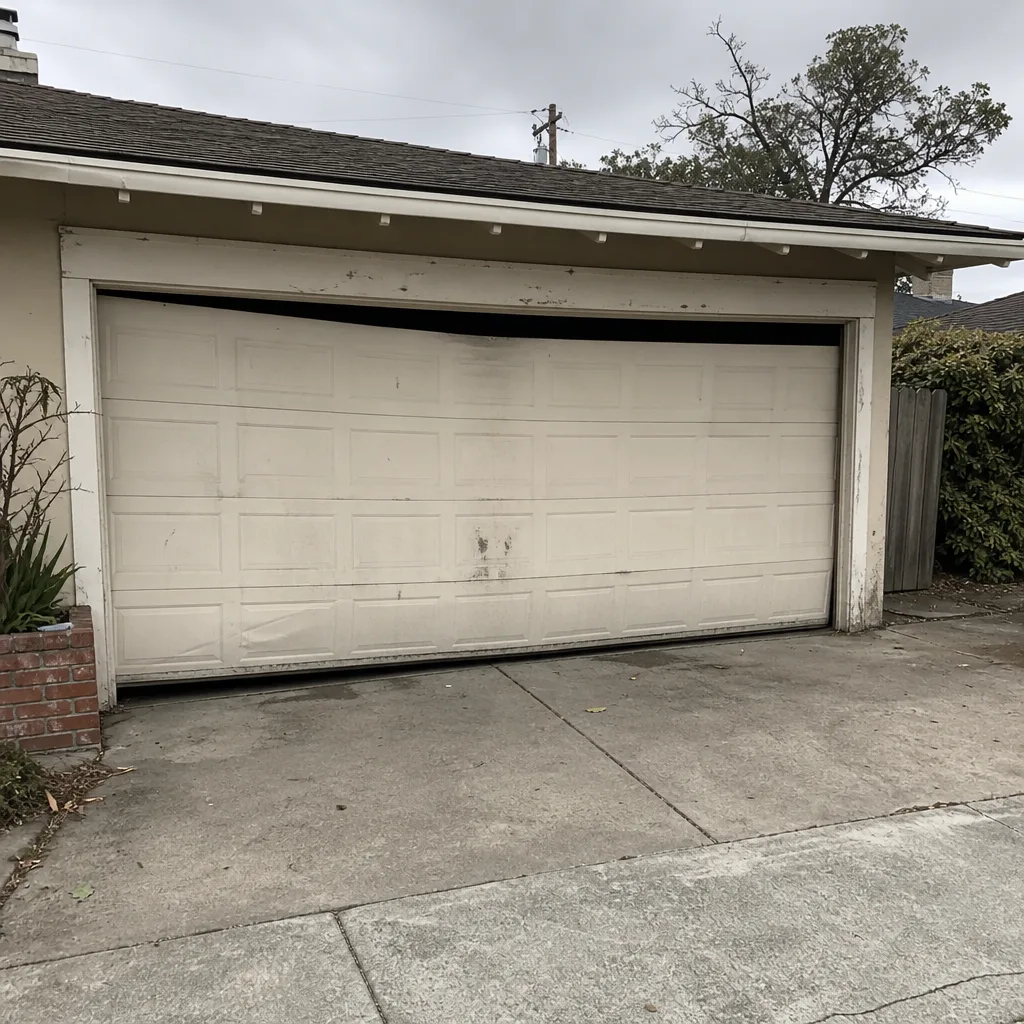
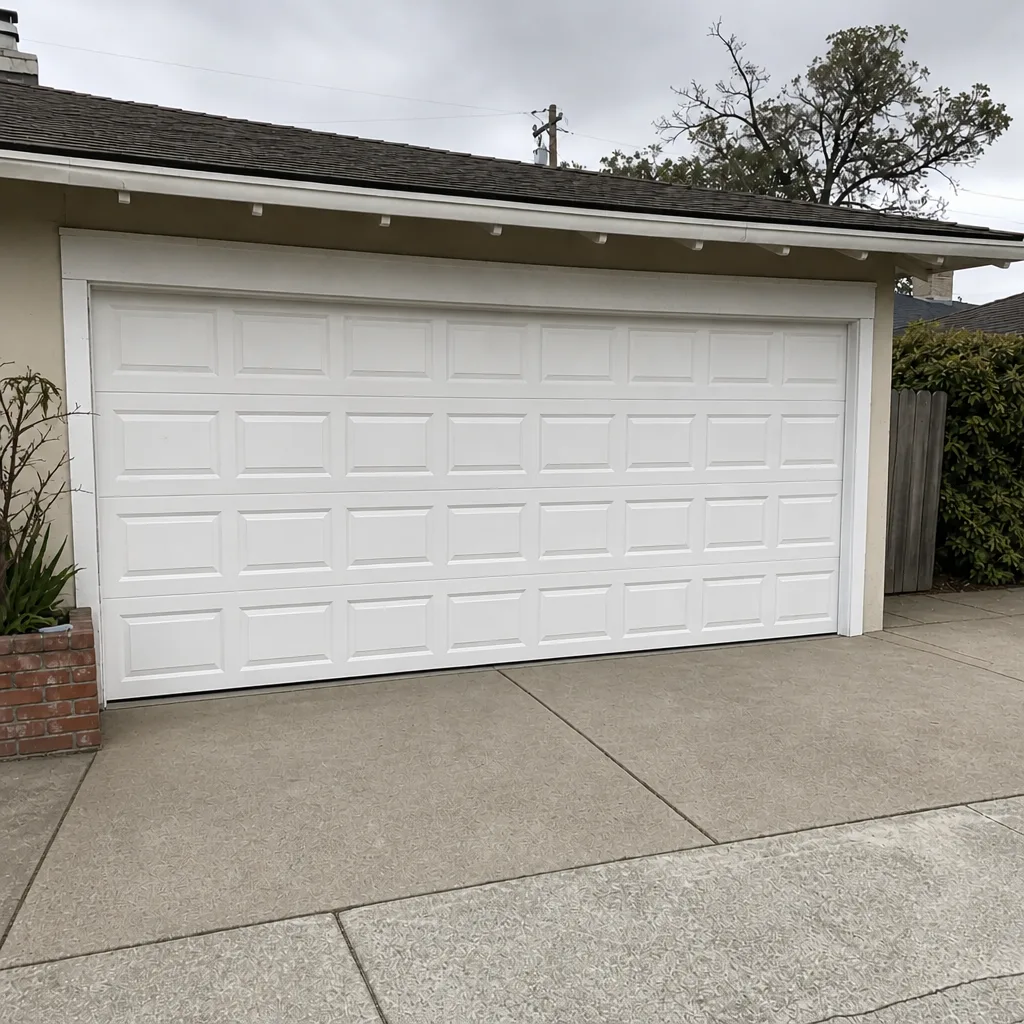
See the difference
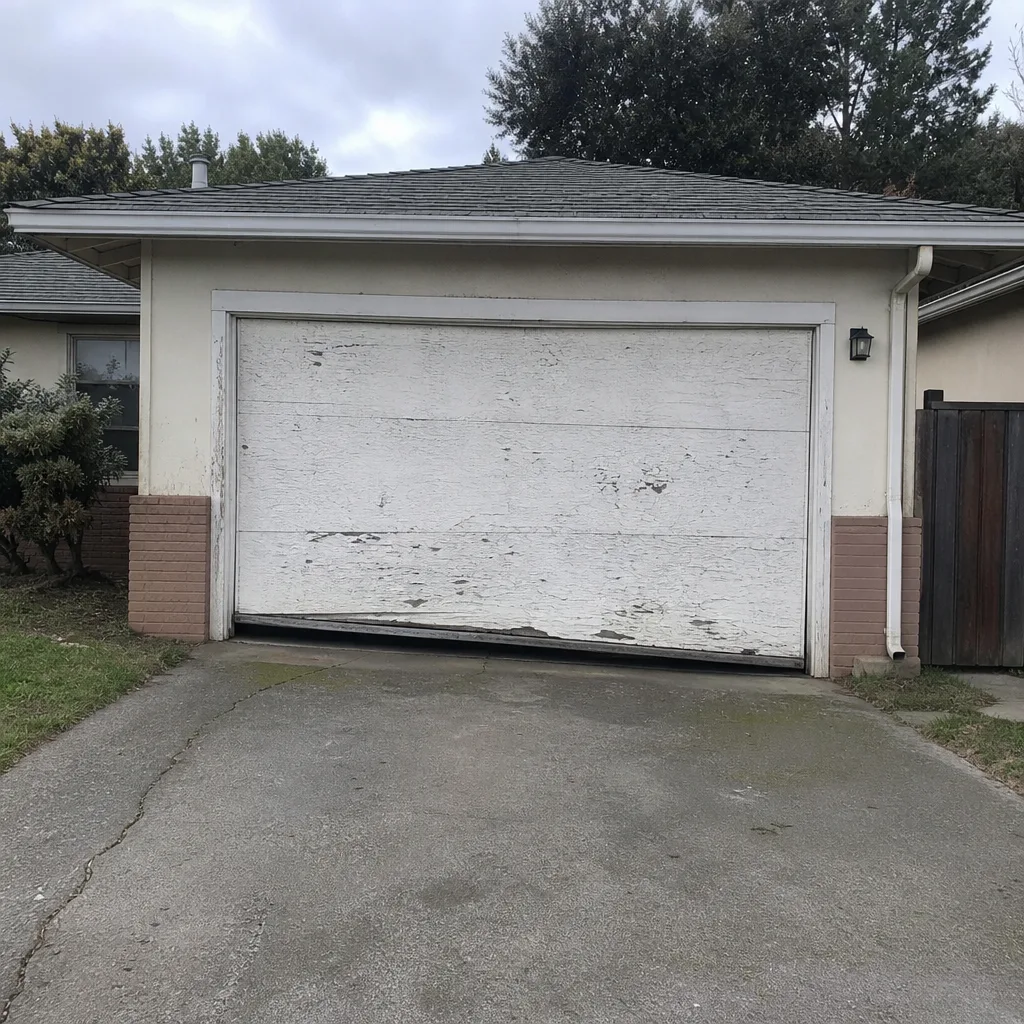 Before
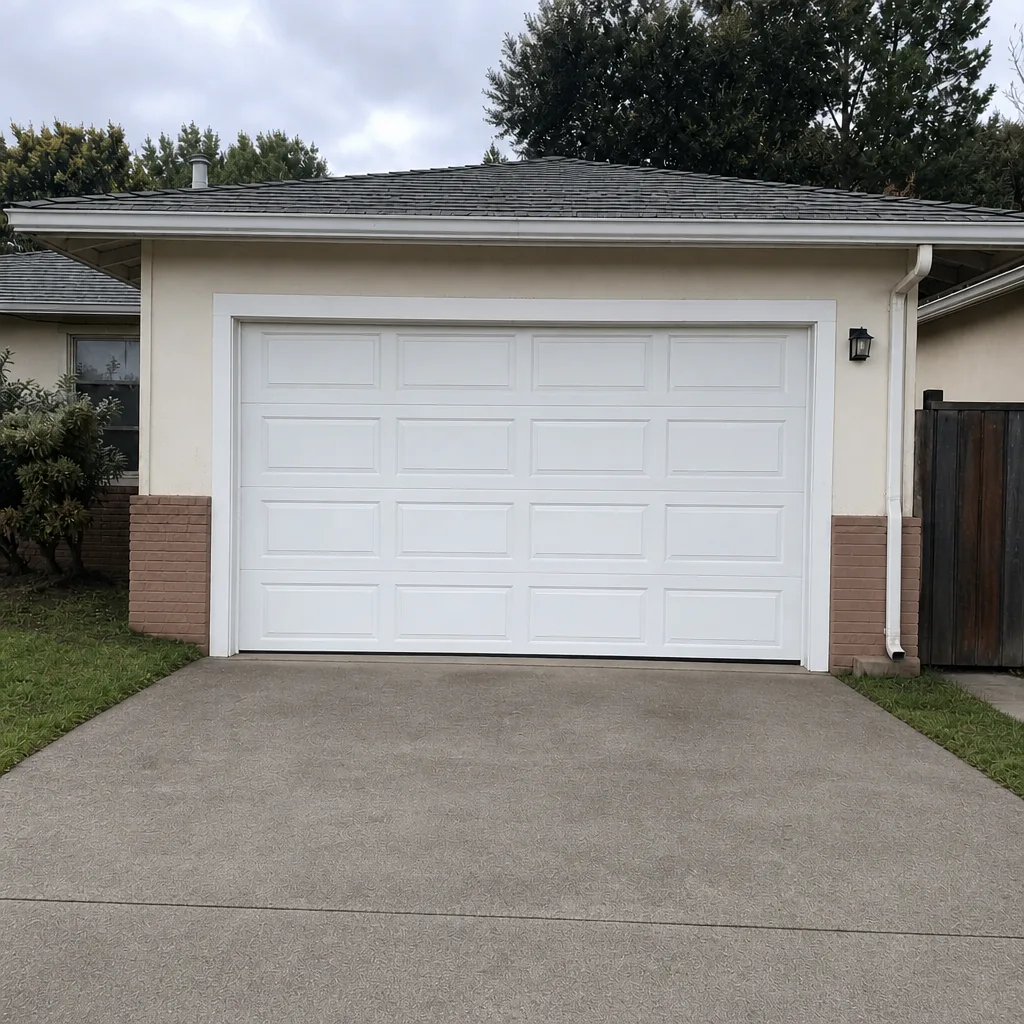 After
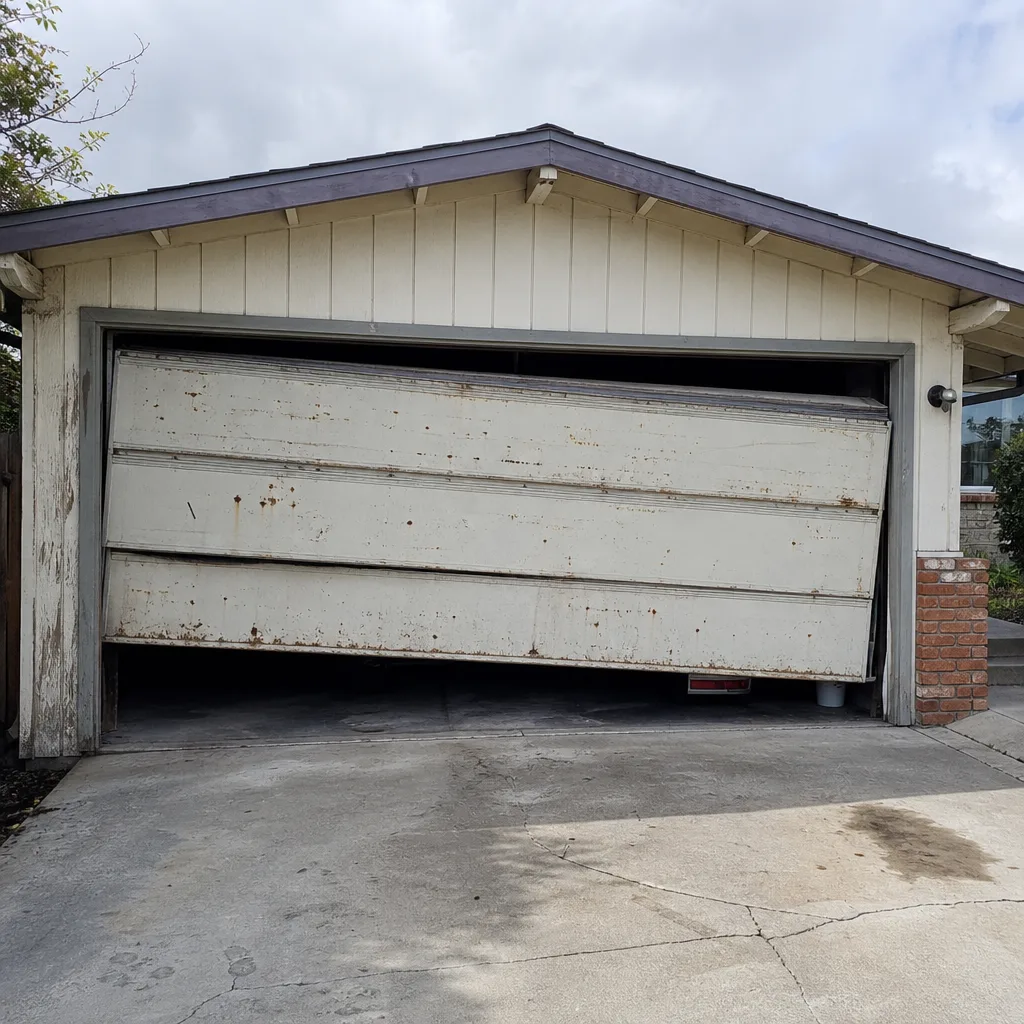 Before
 After
 Before
 After