
Last updated November 15, 2026
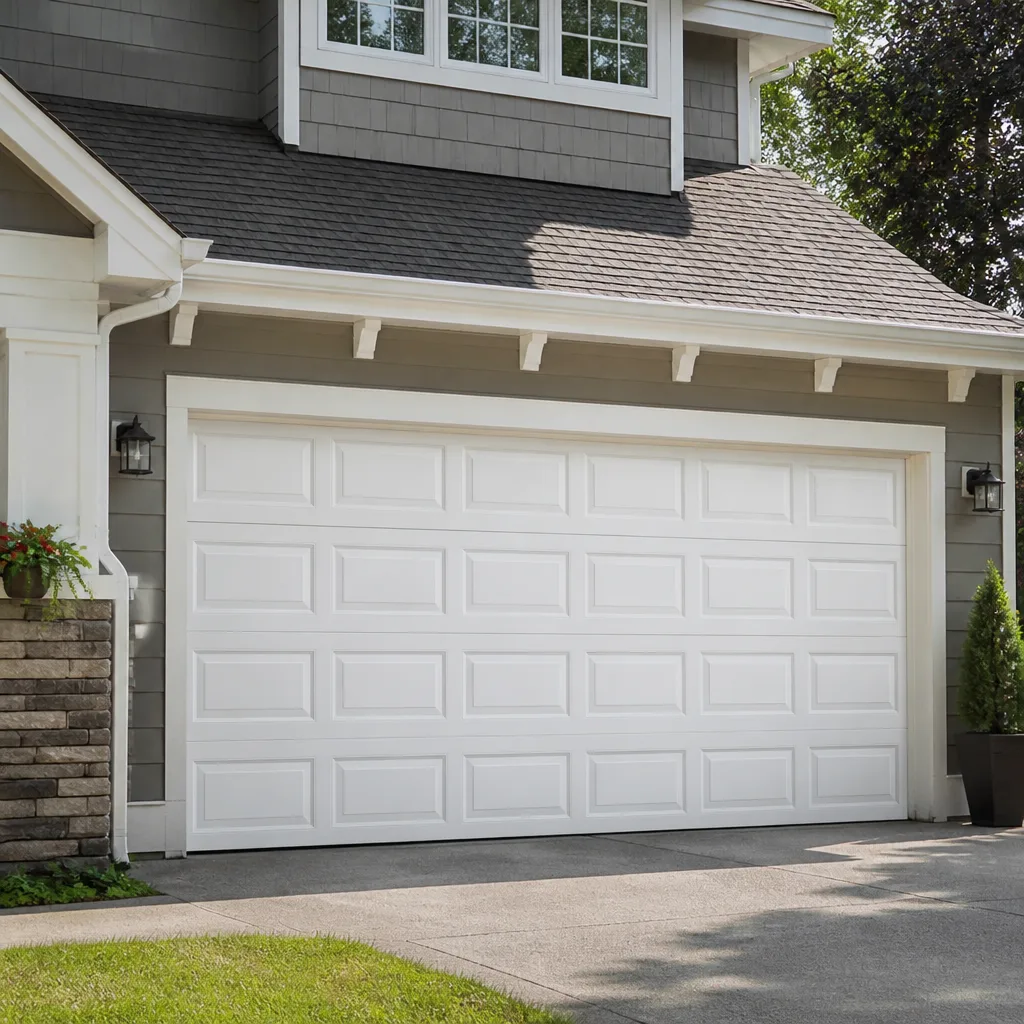 Raised-panel steel
 Carriage house
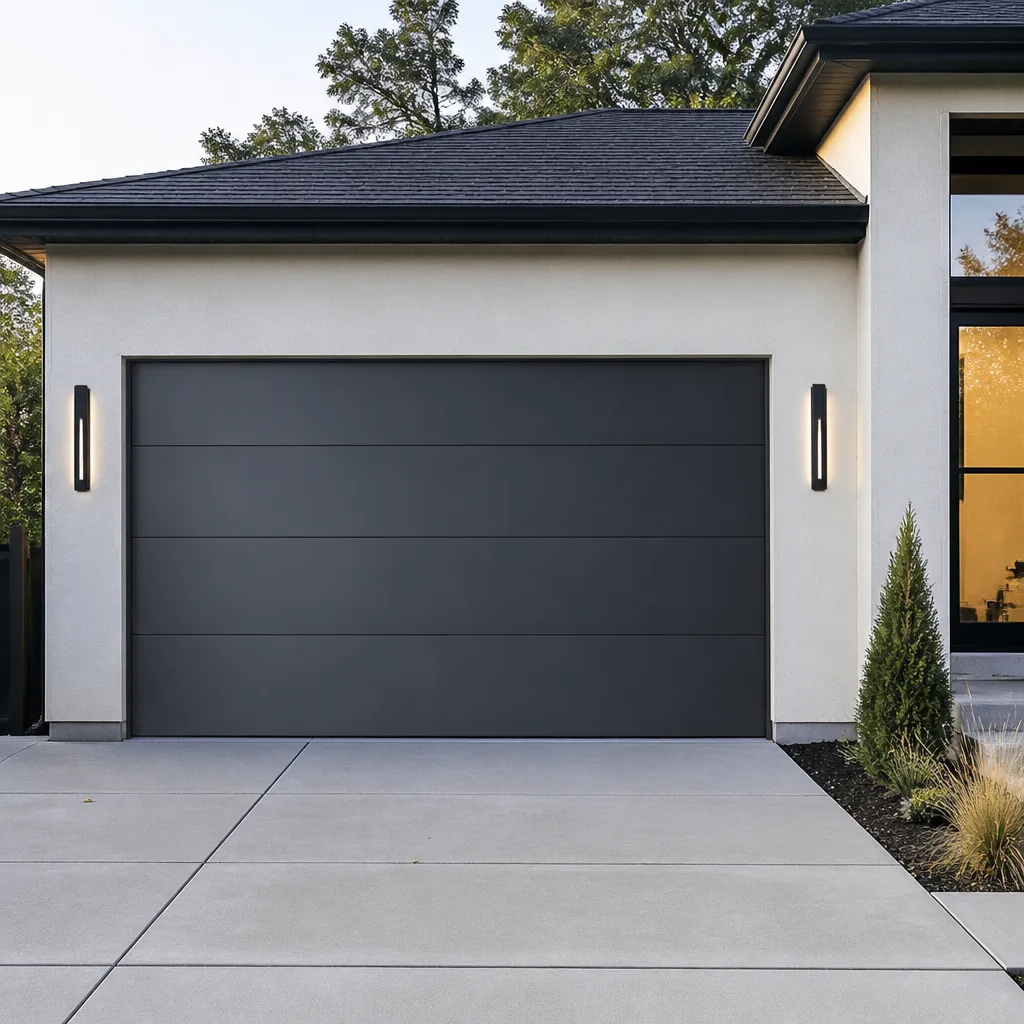 Modern flush
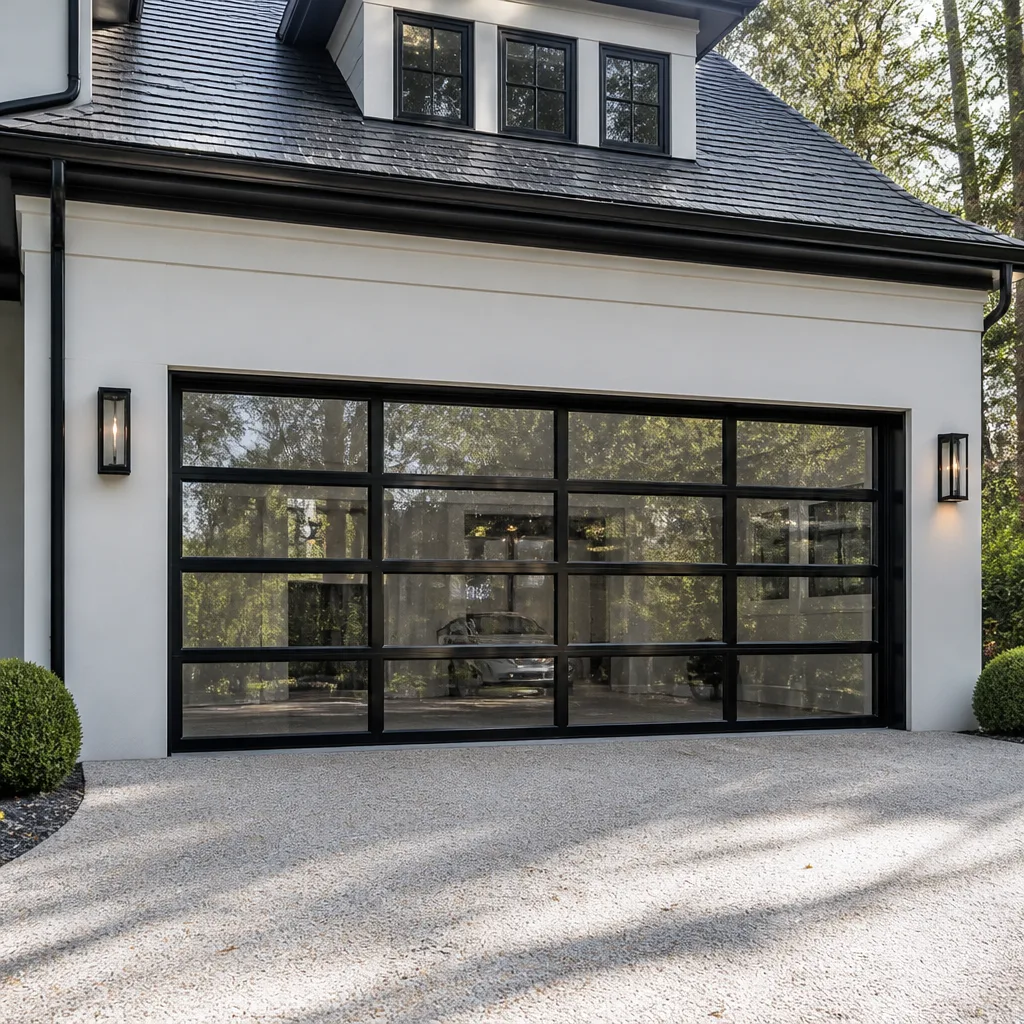 Full-view glass
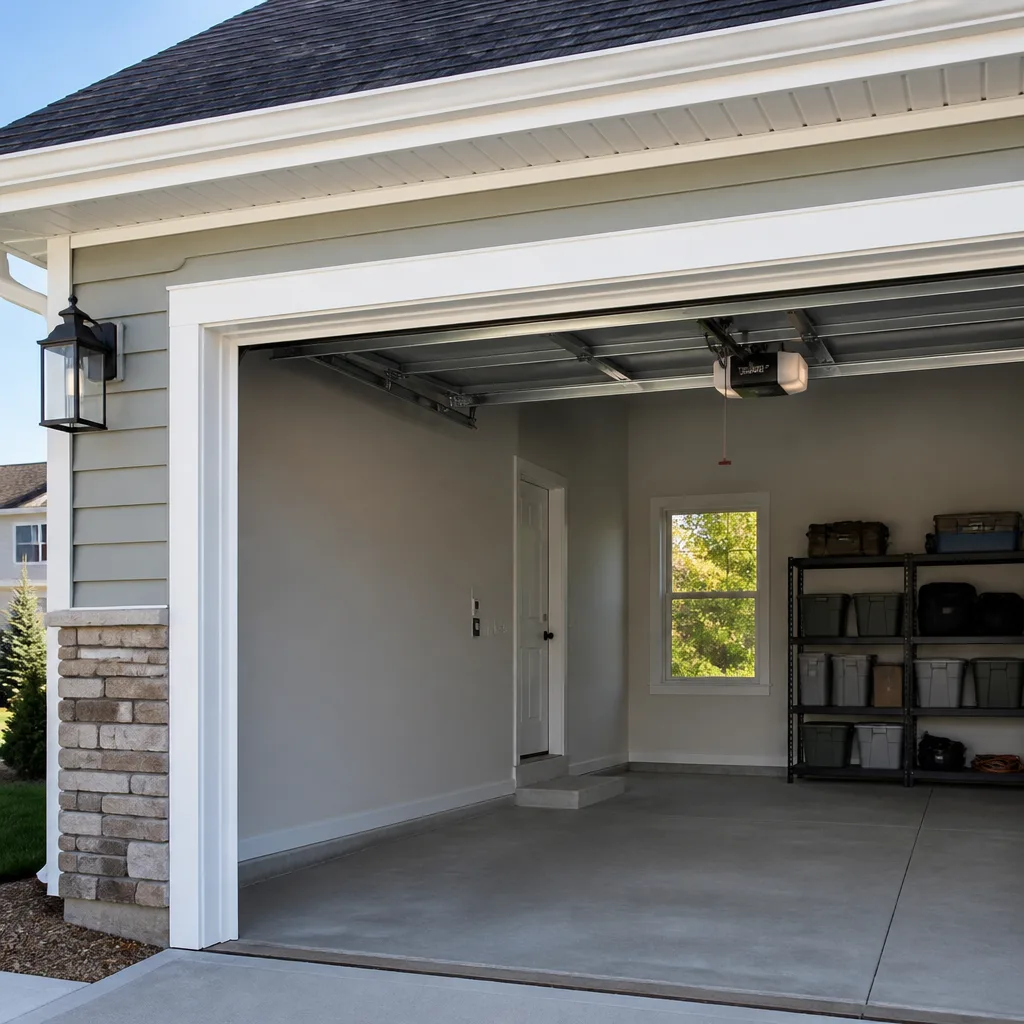 LiftMaster openers
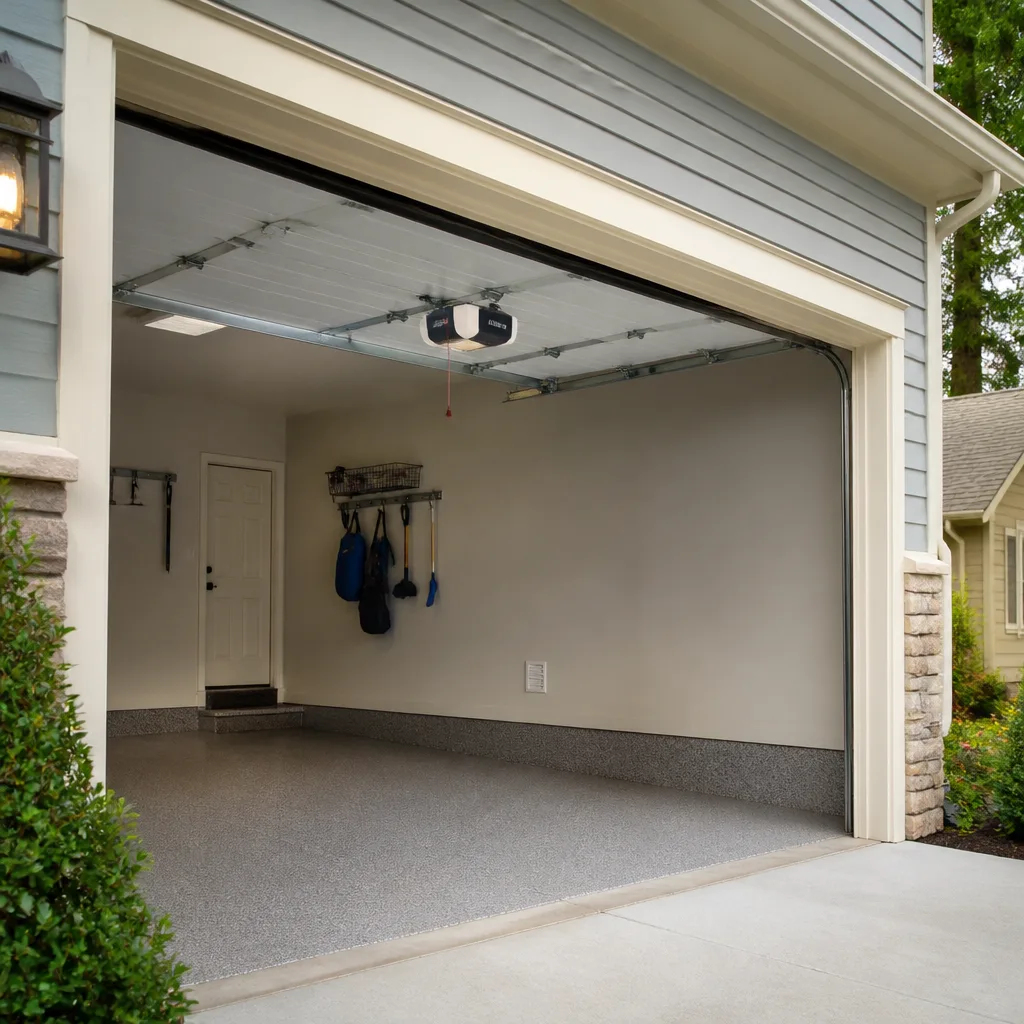 Chamberlain openers
Full 25-point door and opener safety check with every visit - springs, cables, rollers, tracks, and your LiftMaster or Chamberlain opener included
You get a price before we start. It does not change when the pro arrives.
Get your free estimateGarage Door Repair Troubleshooting in San Mateo: Common Problems and How to Fix Them
A garage door that reverses before it closes all the way isn’t a sensor problem nearly as often as homeowners think. In our experience, a good share of those calls turn out to be a spring tension imbalance, and no amount of wiping down the photo-eye lenses will fix it. That matters because sensor troubleshooting is free and spring work is not, so guessing wrong wastes your afternoon and can put you near a component under serious load. Here’s what this guide covers: a symptom-to-system map that tells you which of five mechanical categories you’re actually in, which repairs are safe to handle yourself, and which ones need a trained technician in San Mateo.
Quick Answer
Garage door troubleshooting works best when you match the symptom to the system: a door that won’t move at all is usually an opener, power, or safety-sensor issue, while a door that moves but grinds, sticks, or reverses is usually a mechanical problem in the springs, cables, tracks, or rollers. In San Mateo’s mild but damp climate, cable corrosion and roller wear tend to show up faster than homeowners expect, which changes how quickly a small symptom turns into a real failure. The one rule that saves the most time and money is this: never touch springs or cables yourself, and call a technician for anything that isn’t a sensor, limit switch, or lubrication issue.
Styles & brands we work with
- Raised-panel steel
- Carriage house
- Modern flush
- Full-view glass
- LiftMaster openers
- Chamberlain openers
Table of Contents
- The Symptom-to-System Diagnostic Map
- The Manual Disconnect Test: Your First Move
- How San Mateo’s Damp Air Affects Cables and Rollers
- Which Fixes Are DIY-Safe and Which Aren’t
- Brand-Specific Quirks: LiftMaster vs. Genie vs. Chamberlain
- The Five Mechanical Categories, Explained
- Keeping Your Door Healthy Between Repairs
- When to Call a Professional
The Symptom-to-System Diagnostic Map
Start by watching and listening to your door with fresh attention, because the exact behavior narrows the problem fast. The table below is the fastest way to sort your situation before anyone touches a tool. Read down the left column until a symptom matches what you’re seeing, then look at what it usually points to.
- Door won’t move at all, no sound: Usually power, a tripped breaker, a dead opener, or a wall control issue. Check the outlet and the breaker first.
- Opener hums but the door doesn’t move: Often a stripped gear in the opener, a broken spring, or a disconnected trolley. This is the classic “motor works, door doesn’t” case.
- Door opens a little, then stops: Frequently a limit switch set wrong, a binding track, or a failing spring that can’t carry the door’s weight.
- Door reverses before closing: Could be a misaligned safety sensor, but just as often it’s spring tension imbalance or a track obstruction the sensor is reacting to.
- Grinding or scraping noise: Usually worn rollers, a bent track, or dry hinges and springs that need lubrication.
- Door sags or looks crooked: Almost always a cable or spring problem, sometimes a broken hinge or roller.
- Door slams down or won’t stay up: A spring that’s lost tension. Stop using the door.
If you match one of these and it lands in the mechanical column, the smart move is a professional look rather than trial and error. You can reach our garage door repair team for a free estimate, and we’ll tell you what’s actually wrong instead of guessing at parts.
The Manual Disconnect Test: Your First Move
Before you assume the opener is broken, run the manual disconnect test. It separates motor problems from mechanical problems in about a minute, and it costs nothing. Here’s how it works:
- Locate the release cord. It hangs from the trolley that rides on the rail, usually with a red handle. Pull it straight down toward the door.
- Test the door by hand. With the opener disengaged, lift the door about halfway. A healthy door moves with steady, even resistance and stays where you leave it.
- Listen and feel. Grinding, catching, or a door that feels heavy and drops on its own points to a mechanical issue. A door that’s smooth by hand but won’t open with the opener points to the motor or its controls.
- Re-engage the trolley. Pull the cord again or run the opener until the trolley catches. Never force the door by hand while it’s engaged.
What you learn here decides your next step. If the door is smooth by hand, you’re looking at opener troubleshooting and a likely call for garage door opener repair. If the door is heavy, catching, or drops, you’re in spring, cable, or track territory, and that’s a job for a trained technician. We can’t stress this enough: once you know a door is heavy, stop using it. Running an opener against a failing spring will burn out the motor next.
How San Mateo’s Damp Air Affects Cables and Rollers
San Mateo sits in a mild, damp climate where doors and their hardware stay humid much of the year, and that changes the repair timeline. Steel cables and the metal rollers that ride in the track are exposed to moisture on both faces, especially on doors that face the weather. In practice, that means cable corrosion and roller wear tend to appear sooner here than a homeowner would guess from how the door looks on the outside. The exterior paint can look fine while the cable inside the drum is already fraying.
What this means for diagnosis:
- Cables are worth checking early. Fraying strands or a cable that looks fuzzy should be treated as a priority, not a someday fix.
- Rollers wear faster than the calendar suggests. A roller that’s flat-spotted or cracked makes the door louder and strains the opener.
- Hinges and springs want lubrication. A little garage-door lubricant on the hinges, rollers, and spring coils keeps things quiet and reduces wear.
- Small symptoms can escalate. A stiff roller or a slightly kinked cable is easier to correct before it turns into a broken one.
Because San Mateo is a compact city with a lot of older homes close to the bay, we’ve seen plenty of doors where the hardware has aged unevenly. The best approach is a hands-on look rather than a guess, so if you’re in San Mateo and your door is noisy or slow, call (877) 373-8927 and we’ll schedule a free estimate.
Which Fixes Are DIY-Safe and Which Aren’t
Some garage door fixes are genuinely safe for a careful homeowner, and some carry real injury risk. Knowing the line keeps you out of the emergency room and off the phone with a technician for things you could have handled. Here’s the honest split.
Safe to try yourself
- Safety sensor alignment. If the door reverses before closing, check that the two photo-eye lenses face each other and aren’t blocked. Wipe the lenses and nudge them straight. If the door closes after that, you’ve solved it.
- Limit switch adjustment. If the door stops short of the floor or won’t open all the way, the travel limits may need a small adjustment. Follow the opener’s manual, move in small increments, and test between changes.
- Lubrication. A few drops of garage-door lubricant on hinges, rollers, and springs quiets a door and eases wear. Don’t overdo it or use grease that collects grit.
- Visual inspection. Look at cables, rollers, and the track. You can spot fraying, cracks, and bent rails without touching anything under tension.
Not safe to try yourself
Springs and cables are the line. The torsion spring above your door stores enormous energy, and a cable under tension can snap with enough force to cause serious injury. Never try to loosen, remove, or replace a spring or reattach a cable yourself. Do not put your hands near the springs, the drums, or the cables even to “check” them beyond looking. This is exactly the kind of work a trained technician is set up to do safely, and it’s not worth the risk to save a service call.
If you’re unsure which side of the line you’re on, describe the symptom to us and we’ll tell you honestly whether it’s a do-it-yourself job or one we should handle. That guidance is free.
Brand-Specific Quirks: LiftMaster vs. Genie vs. Chamberlain
The same symptom can have a different root cause depending on the brand of opener you have, and that’s why brand fluency matters. A LiftMaster, a Genie, and a Chamberlain can all “reverse and won’t close,” but the fix sequence isn’t identical. A technician who only knows one system will guess, and guessing on expensive components is how a small repair becomes a big bill.
A few things we watch for on the brands we work on:
- LiftMaster and Chamberlain share a lot of platform engineering, including smart and Wi-Fi-enabled openers. Sensor and connectivity issues on these are usually straightforward once you know which control to check. We work on both.
- Genie openers have their own limit and force adjustment methods, so what’s a five-minute tweak on one brand isn’t done the same way here. Reading the right manual matters.
- Craftsman openers are common in older San Mateo homes and often need parts matched carefully because of their age. Legacy systems are worth a close look before assuming they need replacing.
- Wayne Dalton and Raynor doors, along with Clopay and Amarr, have their own panel and part profiles, so part-matching matters for both repairs and replacement. Getting the right part the first time avoids a second visit.
We work on all of these, which means when you call with a LiftMaster or a Genie problem, you’re not paying someone to figure out the brand on your dime. We cover LiftMaster, Chamberlain, Genie, Clopay, Amarr, Wayne Dalton, Craftsman, and Raynor. Our technicians have up to 11 years of experience, and they’ve seen these systems fail in predictable ways.
The Five Mechanical Categories, Explained
Every garage door problem falls into one of these five systems. Naming the category takes the guessing out of troubleshooting and tells you right away whether it’s a DIY fix or a call. Here’s the breakdown.
1. The opener and its controls
This covers the motor, the circuit board, the wall control, the remote, and the safety sensors. Symptoms here look like a door that won’t respond, responds inconsistently, or reverses before closing. Sensor alignment and limit switches are do-it-yourself territory; a dead board or a stripped gear is not. If the door is smooth by hand but the opener doesn’t move it, you’re in this category.
2. The springs
The springs do the heavy lifting, and when they lose tension or break, the door gets heavy and dangerous. Symptoms include a door that won’t stay up, slams down, or barely lifts. This category is strictly professional. Never try to work on a spring yourself.
3. The cables and drums
Cables carry the door’s weight alongside the springs. Frayed, kinked, or snapped cables are a serious hazard, especially in San Mateo’s humid air where corrosion speeds up. Treat any cable damage as urgent and stop using the door until a technician has looked at it.
4. The track and rollers
Bent tracks and worn rollers make the door noisy, stiff, or off-track. Grinding and scraping point here. Some roller noise responds to lubrication, but a bent track or a door that’s jumped its rail needs a technician to straighten and realign it correctly.
5. The panels and hinges
Dented panels, worn hinges, and failing brackets affect both looks and function. Panel and door-body damage on a Clopay, Amarr, Wayne Dalton, or Raynor door often needs accurate part-matching, which is why brand knowledge saves time and mistakes. Small hinge and bracket issues are usually quick fixes; a badly damaged panel may mean a replacement conversation.
If you’ve placed your problem in one of these five categories, you already know your next step. Quarry is a garage door specialist with no other trades on the side, so the answer you get is a focused one. You can start at our Quarry Garage Door Repair home page or call us directly.
Keeping Your Door Healthy Between Repairs
Most of the repairs we see in San Mateo would have been postponed by a few simple habits. None of them are difficult, and they take a few minutes.
- Lubricate twice a year. A garage-door lubricant on hinges, rollers, and spring coils reduces wear and keeps things quiet.
- Test the safety sensors monthly. Close the door and pass something in front of the photo-eyes to confirm it reverses. Realign the lenses if it doesn’t.
- Watch for noise. A door that gets louder over weeks is telling you something is wearing. Address it before it fails.
- Look at the cables. A quick visual check for fraying is worth doing regularly, and you don’t have to touch anything to spot a problem.
- Balance check by hand. With the opener disconnected, see if the door feels even. A door that feels heavy is a spring warning.
These habits matter more in a damp climate, where hardware ages a little faster than the door itself appears to. A few minutes twice a year can put off a repair for a long time.
Common Mistakes to Avoid
- Assuming every reverse-before-close is a sensor. Many are spring balances or track obstructions. If realigning the sensors didn’t fix it, stop guessing and get eyes on the springs and track.
- Trying to fix a spring or cable yourself. These are under serious tension. A mistake here can mean a hospital visit. Ever wonder why a professional job is priced the way it is? This is why.
- Ignoring a growing noise. Grinding that gets worse over a few weeks is usually a roller or track problem that’s cheap to fix early and costly to fix later.
- Forcing a heavy door with the opener. Running the motor against a failing spring burns out the opener too, turning one repair into two.
- Skipping the manual disconnect test. It takes a minute and tells you whether you’re dealing with the opener or the mechanics, which decides everything that follows.
- Calling a generalist for a brand-specific problem. A handyman who doesn’t know LiftMaster from Genie will guess. Brand fluency is how a fix happens on the first visit.
- Letting damp-season wear go unnoticed. Cable corrosion and roller wear show up faster in San Mateo’s air, so a quick look matters more here than in drier places.
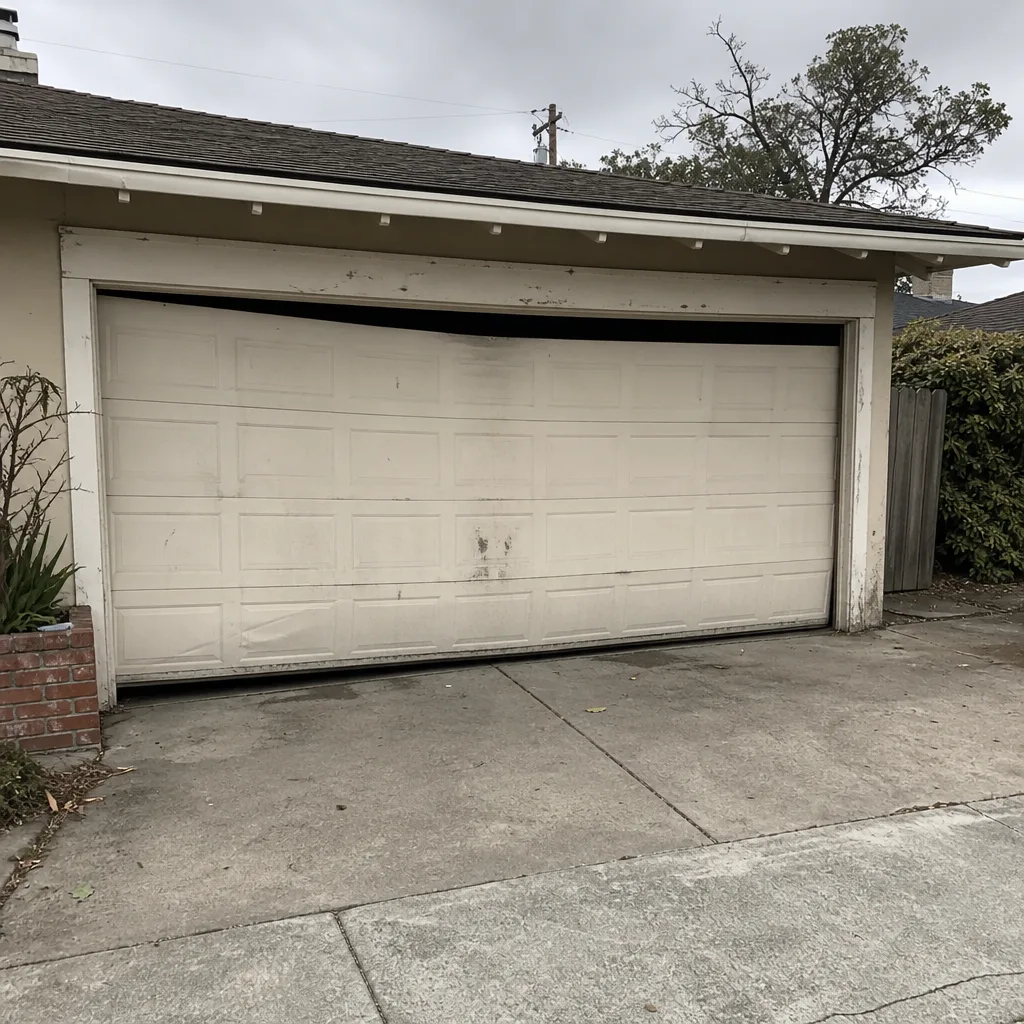
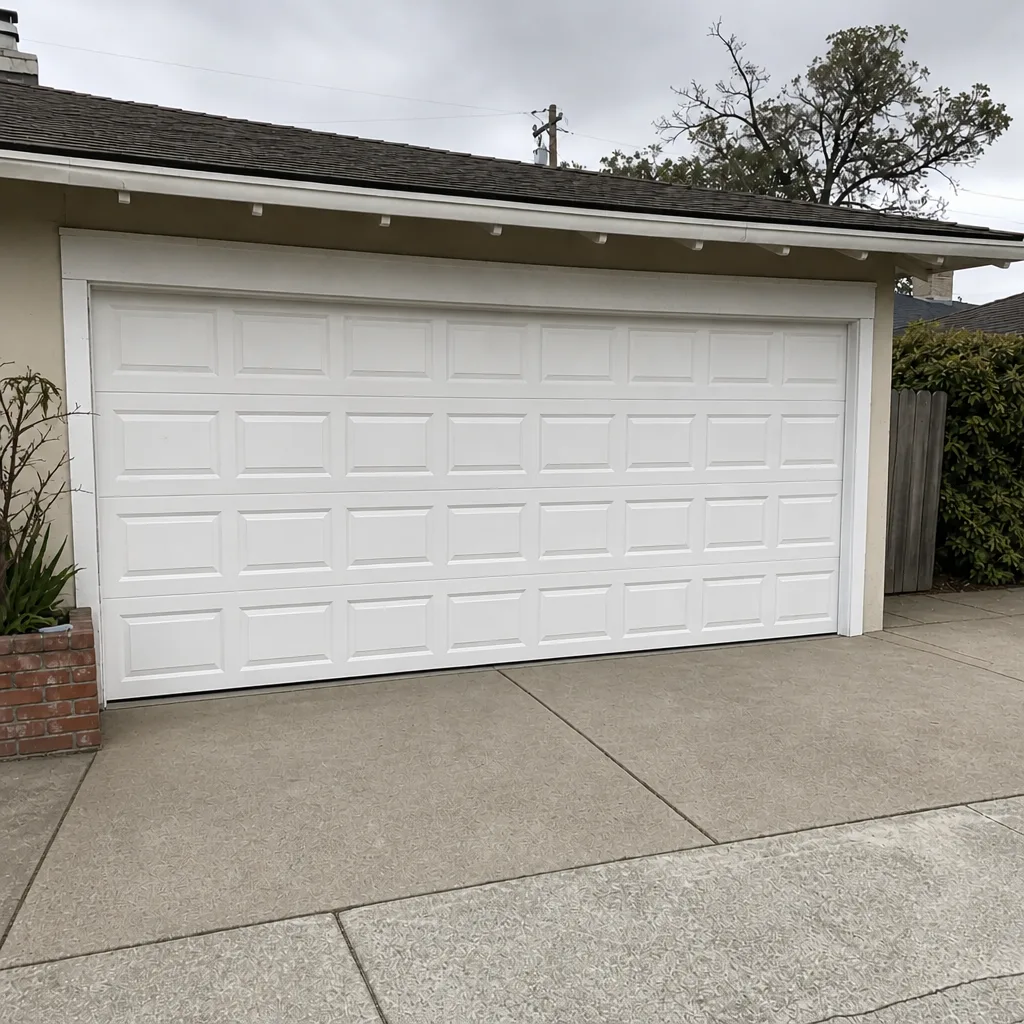
See the difference
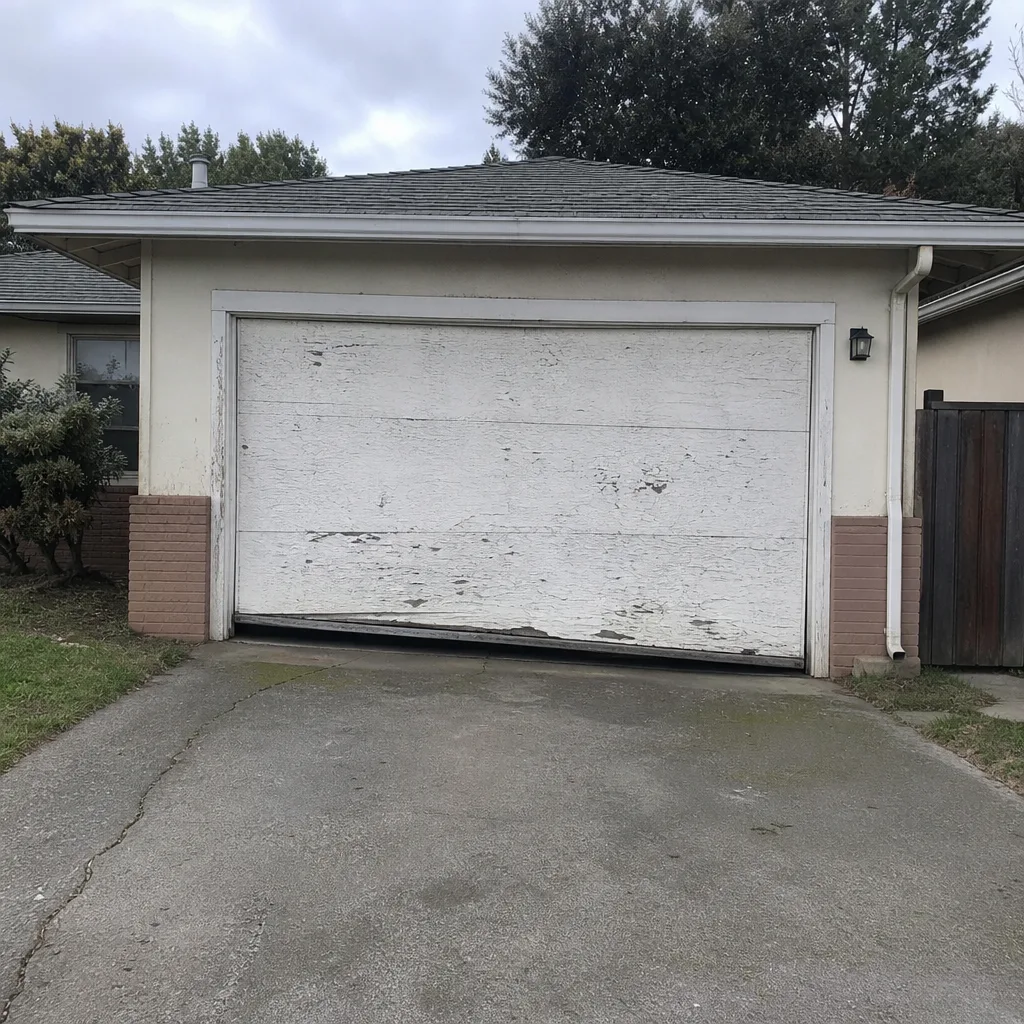 Before
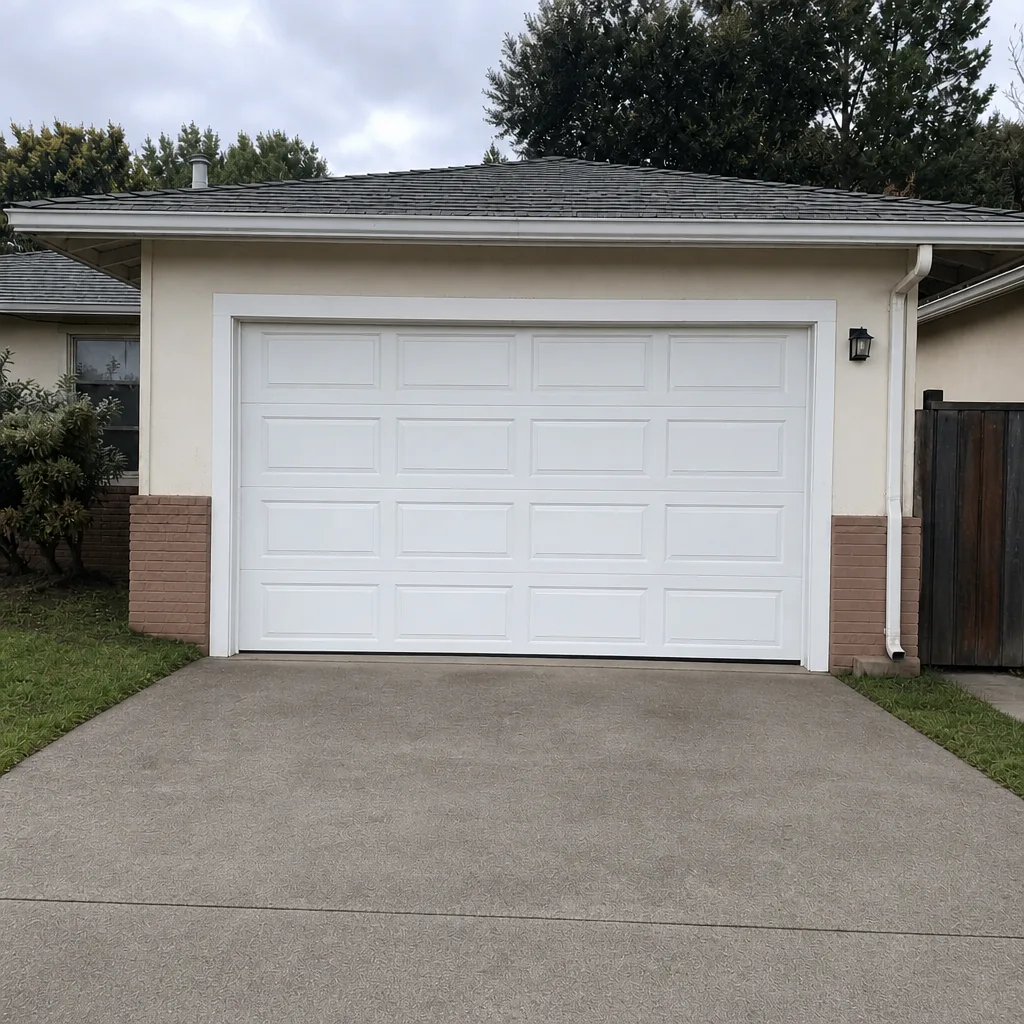 After
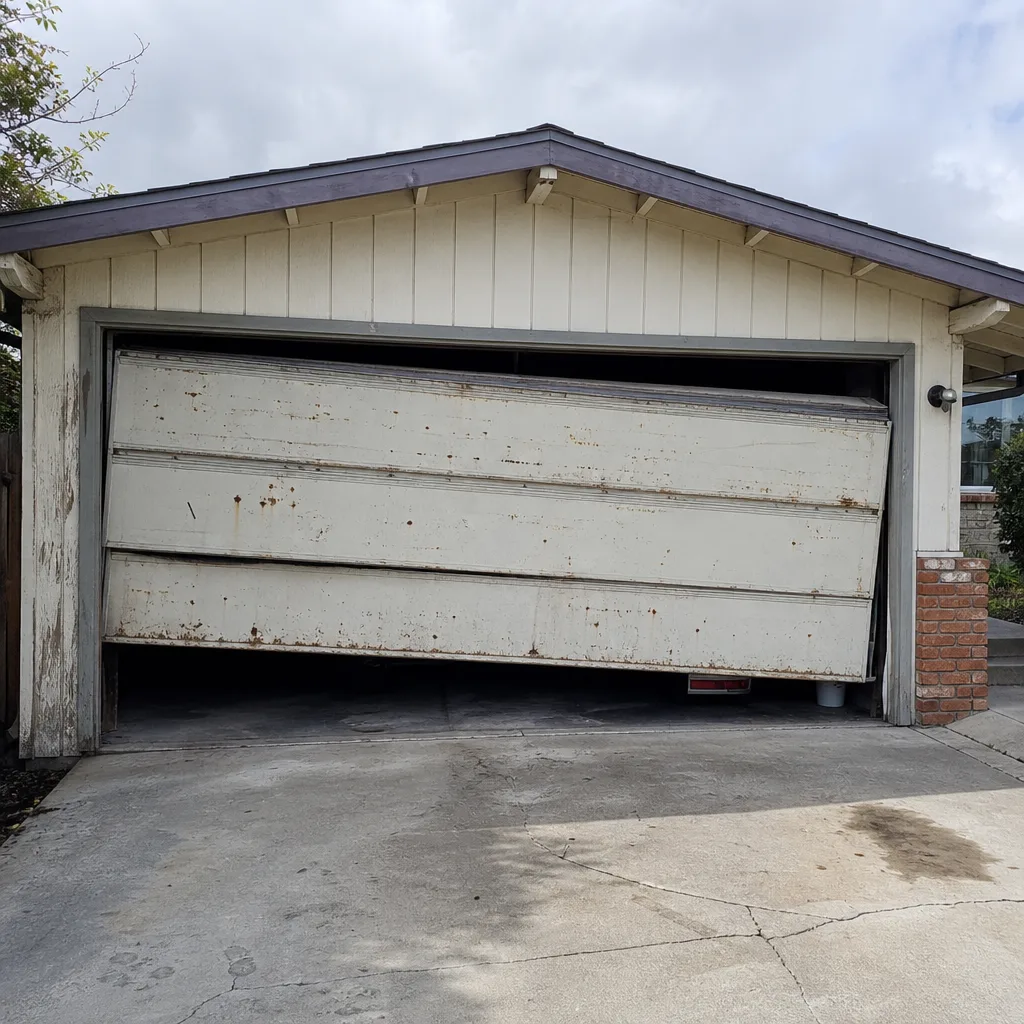 Before
 After
 Before
 After
When to Call a Professional
Call a professional when the symptom points to springs, cables, or a bent track, when a door is heavy by hand, when you hear grinding that’s getting worse, or when the opener hums but the door stays put. Also call if your door reverses before closing and sensor alignment didn’t fix it, or if a cable looks frayed. These are the situations where a trained technician saves you risk and money at the same time. Quarry Garage Door Repair offers free estimates in San Mateo. Call (877) 373-8927. We answer 24/7. Fast dispatch from 7am to 7pm, Sunday through Friday. Our technicians have up to 11 years of experience and work on the brand you already have.
Frequently Asked Questions
It’s usually a misaligned or blocked safety sensor, but a spring tension imbalance or a track obstruction can cause the same symptom. Wipe and straighten the sensor lenses first; if the door still reverses, the cause is likely mechanical and needs a look at the springs and track. Call (877) 373-8927 for an exact quote. Estimates are free.
No. Springs and cables are under serious tension, and working on them yourself risks severe injury. Leave this to a trained technician; it’s the single most important safety rule in garage door repair.
The cost depends on which of the five systems is involved, and we quote the price per job with a free written estimate before any work starts. That means you know the number before a technician touches the door. Call (877) 373-8927 for an exact quote. Estimates are free.
Run the manual disconnect test: pull the release cord and lift the door by hand. If it’s smooth, the opener is likely at fault; if it’s heavy, catching, or drops, the mechanics are the problem. That one test decides your next step.
Usually worn rollers, dry hinges, or a track issue, and damp air speeds up roller wear here. A little lubrication helps minor noise, but grinding that’s getting worse usually needs a roller or track repair.
Yes. We work on LiftMaster, Chamberlain, Genie, Clopay, Amarr, Wayne Dalton, Craftsman, and Raynor, and we work on the brand you already have. That means no guessing at what your system needs. Call (877) 373-8927 for a free estimate.
For repair issues, same-day service is often possible. Call (877) 373-8927 to check availability. We answer 24/7, with fast dispatch from 7am to 7pm, Sunday through Friday. A call outside dispatch hours is booked into the next opening.
The Bottom Line
Garage door troubleshooting gets a lot simpler once you stop guessing and start matching the symptom to the system. A door that won’t move is usually the opener; a door that’s heavy, grinding, or reversing is usually the springs, cables, track, or rollers. In San Mateo’s damp climate, cable corrosion and roller wear appear sooner than you’d expect, so it pays to look closely and act on small symptoms before they grow. Handle the safe fixes – sensors, limits, lubrication – yourself, and leave springs and cables to a trained technician. We work on the brand on your door, we’re garage doors only, and we’ll tell you which repair makes sense. Want a hands-on look? Visit our San Mateo page or call us for a free estimate.
Ready to get your door working properly? Call Quarry Garage Door Repair at (877) 373-8927 for a free estimate. We answer 24/7, with fast dispatch from 7am to 7pm, Sunday through Friday. We’ll diagnose the problem correctly and tell you whether it’s a repair or something bigger, with the price quoted and agreed before any work starts. Garage doors only, so your door gets focused expertise, not a generalist’s guess.
Written by the team at Quarry Garage Door Repair.