
Last updated November 15, 2026
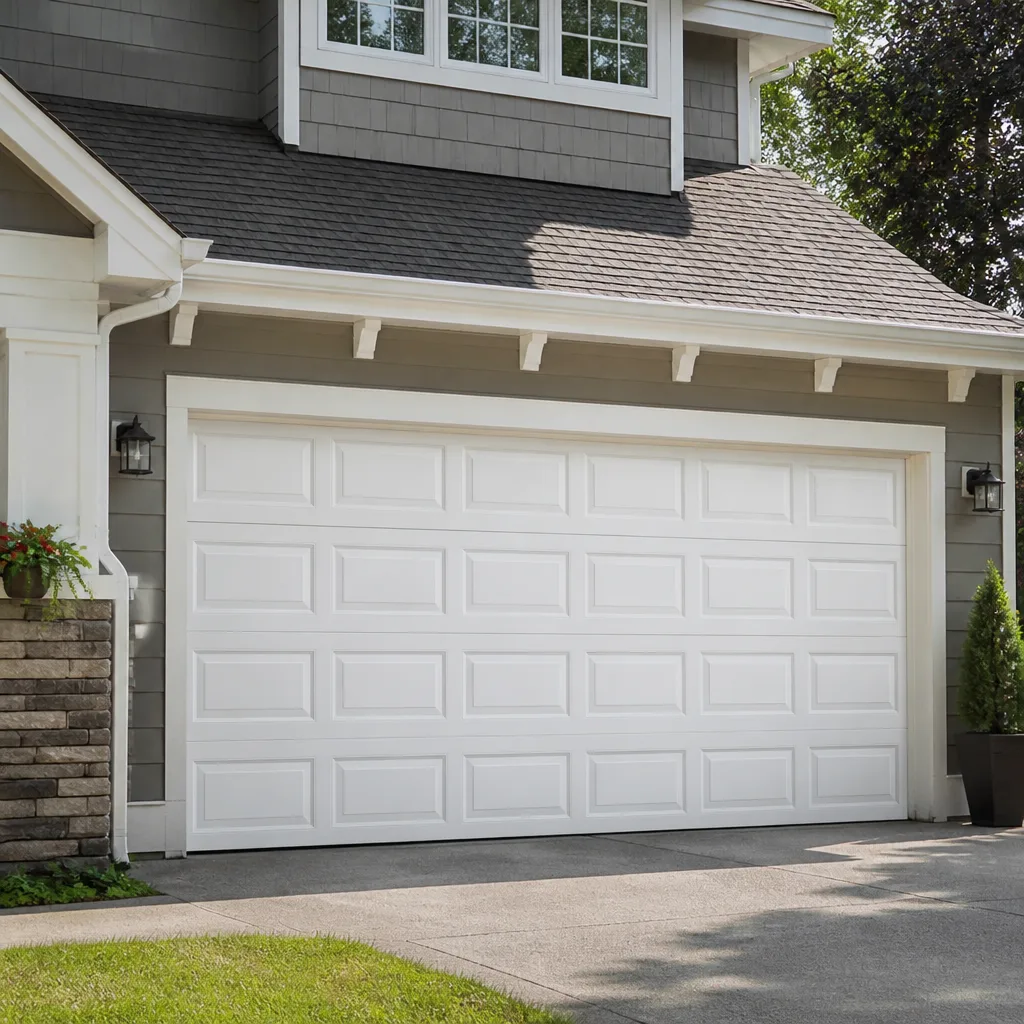 Raised-panel steel
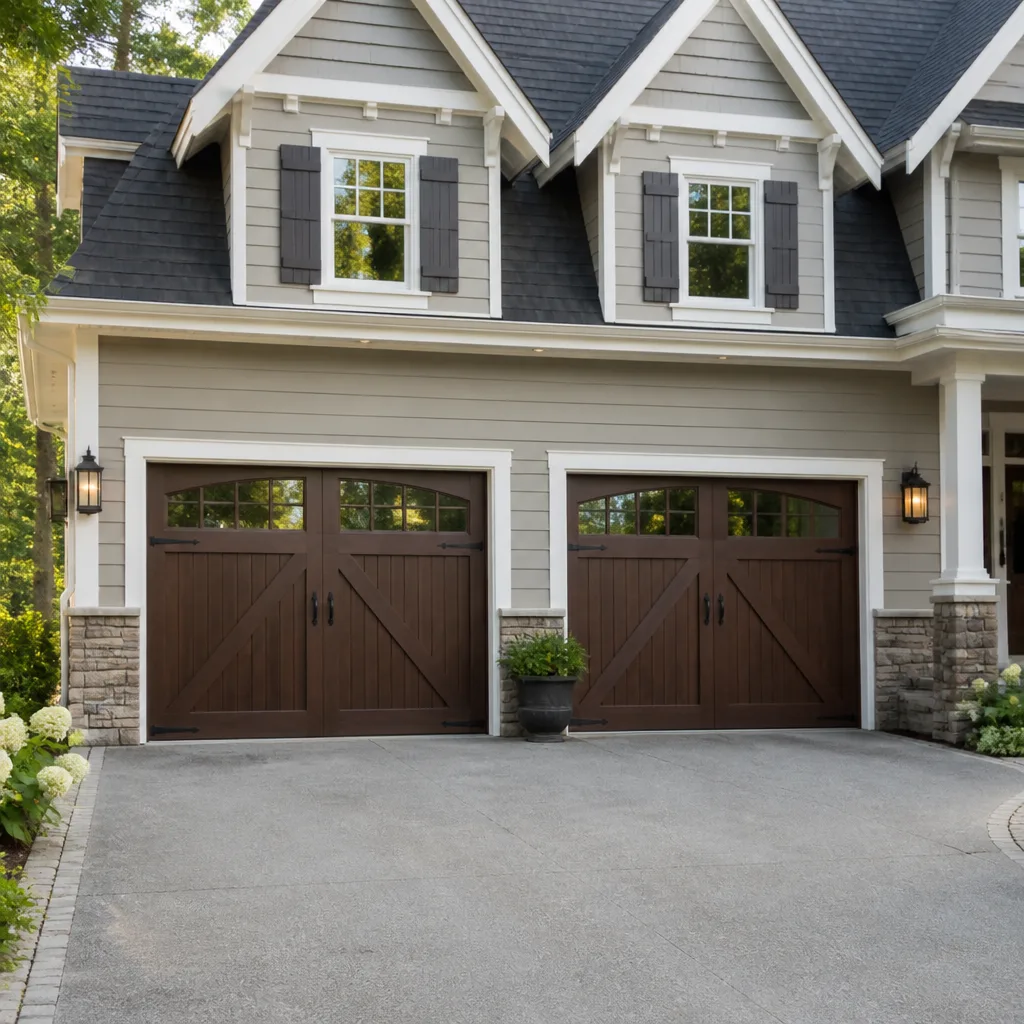 Carriage house
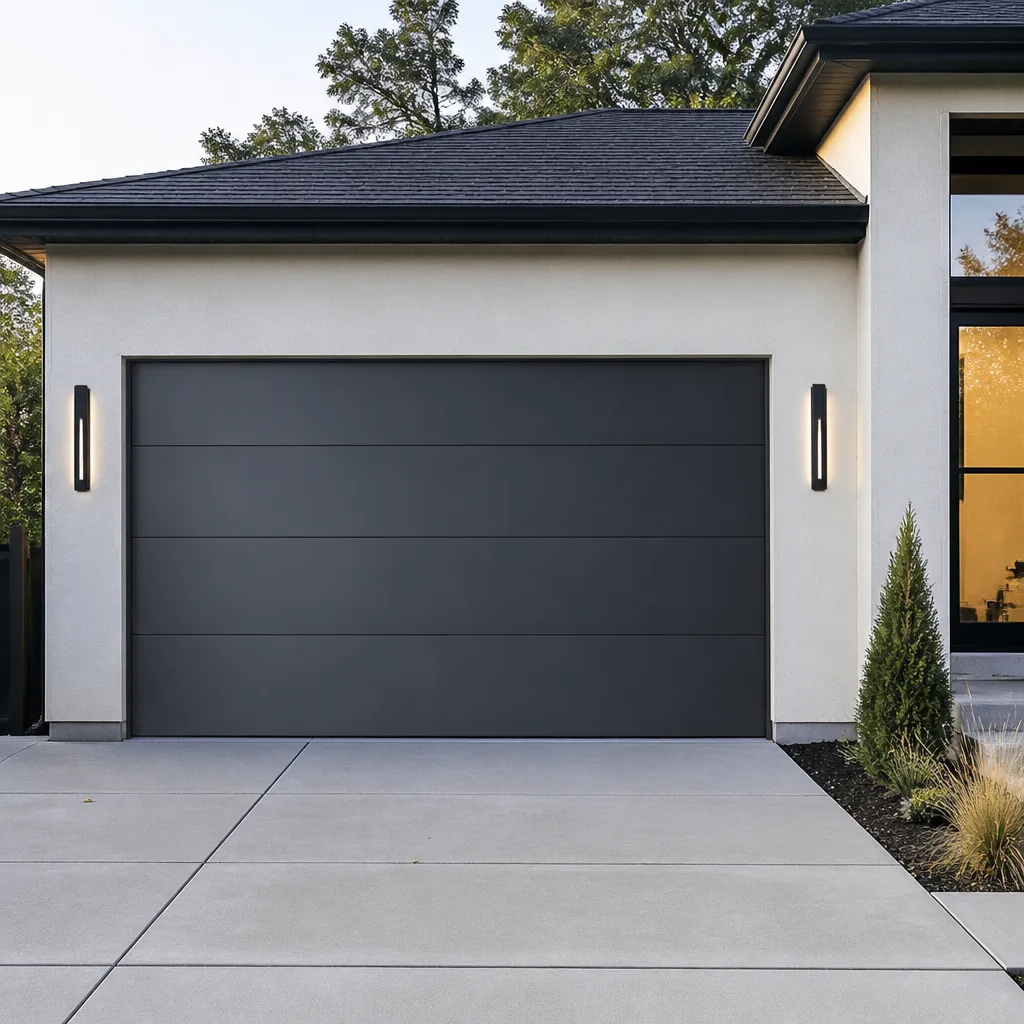 Modern flush
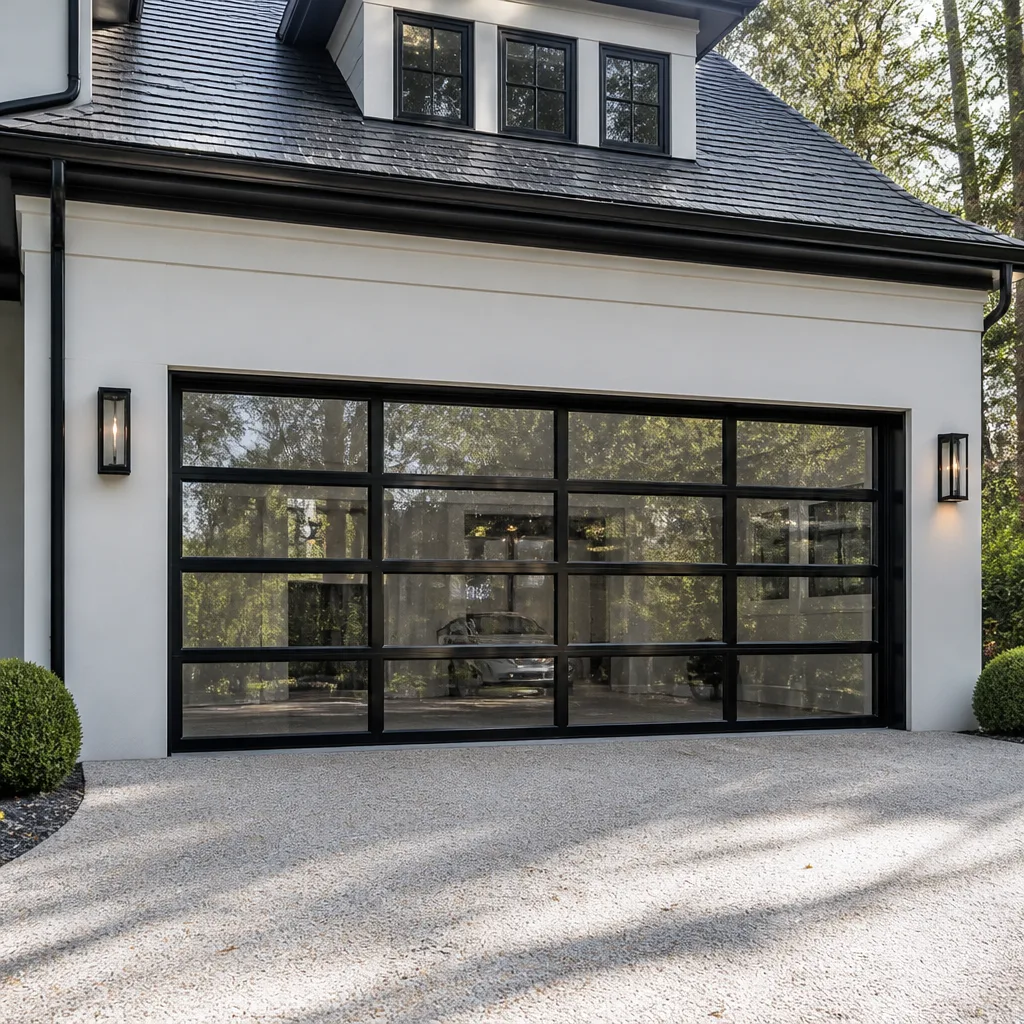 Full-view glass
 LiftMaster openers
 Chamberlain openers
Full 25-point door and opener safety check with every visit - springs, cables, rollers, tracks, and your LiftMaster or Chamberlain opener included
You get a price before we start. It does not change when the pro arrives.
Get your free estimateGarage Door Permits, Codes & Inspections in San Mateo, CA: What You Need to Know
Most homeowners assume any garage door work needs a permit. The reality in San Mateo is closer to the opposite: a straight like-for-like door or opener swap usually doesn’t trigger a permit at all, while the jobs people think are simple – changing the opening size, adding structural reinforcement, cutting a new opening into a fire-rated wall – are exactly the ones that do. That gap between assumption and rule is where trouble starts, especially at resale. This guide covers what triggers a permit in San Mateo, what stays exempt, how fire-rated doors between an attached garage and the house are treated under the California Building Code, how inspections actually run, where HOA approvals fit in, and what unpermitted work means when you sell.
Quick Answer
A like-for-like garage door replacement in San Mateo typically does not require a building permit. You likely do need one when the work changes the size of the opening, alters the header or structural framing, affects the fire-rated separation between an attached garage and living space, or involves certain new construction or commercial-adjacent installations. Permitted work requires inspection by the City of San Mateo’s building department before it’s signed off. When in doubt, call the building department directly and describe the job – the answer is free and it settles the question.
Styles & brands we work with
- Raised-panel steel
- Carriage house
- Modern flush
- Full-view glass
- LiftMaster openers
- Chamberlain openers
Table of Contents
- What garage door work is exempt from permits in San Mateo?
- What triggers a permit in San Mateo County?
- Fire-rated doors and California Building Code Section R302
- The inspection process: what gets checked and by whom
- HOA approvals vs. city permits: why you may need both
- Unpermitted work and California resale disclosure
- When to bring in a garage door professional
- Frequently asked questions
What garage door work is exempt from permits in San Mateo?
A straightforward replacement of a residential garage door with a door of the same size, in the same opening, with no structural changes, is generally treated as ordinary repair and maintenance rather than new construction. Same goes for replacing a garage door opener with a comparable unit. These are the jobs that fill most of our calendar in San Mateo, and in the large majority of cases the city doesn’t want a permit application for them.
What keeps a job exempt is that nothing about the building’s structure, envelope, or safety systems changes. The opening stays the same width and height. The header above the door isn’t touched. The track and spring system mounts to the existing framing. The new door carries the same general weight class as the old one, so the existing springs and opener stay matched to the load.
Typical exempt work includes:
- Replacing a single-car or double-car door with a same-size door from the same or another manufacturer
- Swapping panels on a sectional door where the opening and track stay put
- Replacing a worn opener with a new unit on the existing door
- Repairing springs, cables, rollers, hinges, and tracks
- Replacing weather seals and bottom rubber
- Adjusting safety sensors or travel limits
One nuance worth knowing: exempt doesn’t mean unregulated. New openers sold in California still need to meet the state’s automatic garage door safety requirements, including the photo-eye sensor system and the entrapment protection standards that have applied to operators for years. That’s about the equipment, not a permit, but it’s the reason a licensed technician won’t install a salvaged opener from a friend’s old house without checking it. Our garage door opener repair work starts with the door’s balance and the operator’s safety circuit for exactly this reason.
San Mateo has a wide mix of housing stock – mid-century ranch homes in the Hillsdale and Baywood areas, older bungalows closer to downtown, and newer townhomes near the Hayward Park and Hillsdale Caltrain stations. The older the home, the more often a “simple swap” runs into a framing surprise: a sagging header, an out-of-square opening, or a door size that isn’t standard anymore. That’s when the job stops being exempt and becomes a conversation with the building department.
What triggers a permit in San Mateo County?
The trigger for a permit isn’t the door itself. It’s a change to the building. Once the work touches structure, the building envelope, or the fire separation between the garage and the house, you’ve crossed from maintenance into construction – and construction in San Mateo needs a permit and an inspection.
Scenarios that typically require a permit:
- Changing the size of the opening. Widening a single-car opening to fit a double door, raising the header height, or converting an opening changes the structural load path. That means engineering, permitting, and inspection.
- Structural reinforcement or repair. Replacing a damaged header, sistering a cracked post, or rebuilding a wall around the opening is structural work.
- Converting a garage to living space or the reverse. This changes occupancy and always requires permits – often several.
- Cutting a new opening into an exterior wall or a fire-rated wall. This includes adding a service door into the wall separating the garage from the house.
- Installing a new garage on new construction. New structures need permits from the foundation up.
- Commercial and commercial-adjacent properties. A garage door on a mixed-use building, a multi-family property, or a commercial building – including some townhome and condo configurations – can pull in additional code requirements beyond what a single-family home sees.
- Any work that requires electrical changes to the panel. A new opener circuit or a relocated outlet generally needs an electrical permit.
If your job falls into any of those, the place to start is the City of San Mateo’s building department, not a contractor’s guess. Describe the work in plain terms and ask whether a permit is required. For unincorporated pockets of the county, the permit authority may be San Mateo County rather than the city – one more reason to confirm before anyone swings a hammer. A licensed contractor should be comfortable walking you through that call, and should be the one asking the questions if you’d rather not. This is one of the reasons we tell people to check the garage door repair scope before work starts: it’s a lot easier to add a permit at the front end than to explain an unpermitted opening at resale.
Fire-rated doors and California Building Code Section R302
California Building Code Section R302 addresses fire separation between a residential garage and the living space next to it. Under R302, the wall and door separating an attached garage from a house are treated as a fire-rated assembly, with the door required to carry a fire rating – typically achieved through a labeled door assembly and self-closing hardware. The intent is simple: if a fire starts in the garage, the separation buys time for people to get out. Local San Mateo amendments can layer on top of the state code, so the exact requirements for your property are something the building department confirms, not a forum post.
In practice, this matters for a few reasons:
- A like-for-like swap usually keeps you compliant if the original door was rated and you replace it with a rated door of the same size and label.
- Adding a door between the garage and the house is a permitted job and the door itself has to meet the rating.
- Converting a garage to habitable space rewrites the whole separation question and is a permit-heavy project.
- Commercial and mixed-use properties can pull in a different set of fire and life-safety requirements for overhead doors, including closer and hardware specifications that a residential door won’t satisfy.
Where this shows up in San Mateo is often at resale. A door that was replaced with an unrated unit, or without self-closing hardware, is the kind of thing a sharp inspector catches. If you’re not sure whether your existing door is rated, the door’s label and the door’s paperwork are the answer – and if neither exists, the building department can tell you what the property originally required. When we look at a replacement, we want the existing door’s rating before we quote, so the new door matches. Working across Quarry Garage Door Repair brands – Clopay and Amarr among them – helps here, because rated door assemblies exist across several manufacturers and matching the label matters more than matching the brand.
The inspection process: what gets checked and by whom
When a garage door job needs a permit in San Mateo, the inspection is performed by the city’s building inspectors, not by the contractor and not by the door manufacturer. The process follows a predictable sequence, and knowing it in advance keeps the job on schedule instead of stalled waiting on a callback.
- Permit application. You or your contractor submits drawings and a scope of work. Small structural jobs may only need a simple plan; opening changes usually need more.
- Plan review. The city reviews the drawings for code compliance. This is where questions come back, and where a contractor who’s done this before saves you time.
- Permit issued. Work can begin, with an inspection stage listed on the permit card.
- Framing or rough inspection. For structural work, the inspector verifies the framing, header, and connections before anything is closed up.
- Final inspection. The inspector checks the door operation, hardware, the fire-rated assembly where applicable, and that the work matches the approved plans.
- Sign-off. The permit is closed and recorded – which becomes part of the property’s public record.
What inspectors focus on for garage door work is less about the door’s cosmetics and more about the assembly: is the opening framed as drawn? Is the fire separation intact? Does the door operate safely with the hardware installed, and do the safety sensors work? A final inspection that fails usually fails on something small and fixable – mismatched hardware, a sensor mounted too high, or a self-closer that doesn’t latch – not on the door itself.
Timing varies with the city’s inspection queue and the scope of the job. The one constant is that permitted work isn’t finished until the inspection is signed off. A contractor who leaves you holding an open permit isn’t doing you any favors, and at resale an open permit shows up in a title search. That’s why we treat closing the permit as part of the job, not as a separate errand. When the work is a straightforward repair like spring replacement or a sensor fix, there’s no permit to close – but for anything structural, our San Mateo customers should expect us to walk them through what the city will inspect and when.
HOA approvals vs. city permits: why you may need both
An HOA approval and a city permit are two separate things, and getting one does not get you the other. The city cares about building code and safety. The HOA cares about appearance, uniformity, and the recorded architectural rules that apply to your property. In San Mateo, townhomes and planned developments around neighborhoods like Bay Meadows, the newer infill pockets, and condominium complexes often sit under an HOA with an architectural review process.
What an HOA typically reviews for garage door work:
- Door style, color, and panel configuration – many associations specify an approved palette
- Window placement and glass type on the door
- Whether the door type matches neighboring units
- Timing rules for the installation itself, including noise limits
- Whether the work requires architectural committee review before it begins
The sequence that avoids trouble is to check both tracks in parallel. Submit the HOA architectural request and confirm whether the city requires a permit, then start the work only when both are settled. An HOA approval on a job that needed a permit doesn’t make the permit go away, and a permit doesn’t make the HOA color requirements disappear. In a competitive San Mateo market, an unapproved door color is the kind of small violation that turns into a demand letter from the association after closing.
For homeowners buying into an HOA property, the architectural rules usually arrive in the disclosure packet, which is the first place to look. For existing owners, the property manager can answer the color and style question faster than anyone else. If your job turns out to be exempt from a city permit, the HOA process may still apply – and that alone is a reason to check before ordering a door. A door that arrives in the wrong color is expensive to return.
Unpermitted work and California resale disclosure
California’s residential disclosure requirements make the seller responsible for telling buyers about known material facts, and unpermitted construction is exactly the kind of fact that gets disclosed. The seller doesn’t have a legal obligation to volunteer every detail, but they do have an obligation not to conceal what they know – and if the buyer’s inspector catches the garage opening that was widened without a permit, the deal gets complicated at the worst possible time.
What “unpermitted garage work” usually means in practice:
- A widened opening with no permit record and no engineering behind it
- A new service door from the garage to the house without the fire-rated assembly the code requires
- Structural reinforcement that isn’t on file, so a future owner can’t verify what was done
- A garage conversion that was never finalized, which can affect the home’s stated bedroom or bathroom count
The practical consequences in a competitive market are threefold. Buyers can ask for a price reduction, ask the seller to legalize the work (which sometimes means opening walls), or walk away. Lenders can also object if a property’s record doesn’t match its condition. None of that is dramatic, but it’s avoidable – and the cost of avoiding it is a permit application and an inspection.
The remedy when unpermitted work is found is usually to permit it after the fact, which involves the city inspecting what’s there and either approving it or requiring corrective work. In some cases a contractor has to open the assembly so an inspector can see the framing, which turns a cheap mistake into an expensive fix. The reason we ask about permits on any job that changes an opening isn’t bureaucracy – it’s that we’ve seen how quickly a resale turns into a retrofit. A simple like-for-like swap of a Clopay or Wayne Dalton door that fits the existing opening skips all of this. A structural change doesn’t.
When to bring in a garage door professional
Some garage door jobs are safe to scope on your own: a noisy door, a sticking roller, a remote that won’t sync. Others are genuinely dangerous or code-sensitive, and those are the ones to hand off. High-tension torsion springs can injure or kill someone who doesn’t know how to release them safely. Track, cable, and header work sits directly in the path of that tension. Any job that changes the opening, the header, or the fire separation also needs a licensed contractor who can talk to the city, pull the permit, and get the final inspection signed off – not a generalist adding doors to a long list.
We specialize in garage doors only, which means we’ve seen the framing solutions that pass inspection and the ones that don’t. Whether it’s a Craftsman opener that needs replacing on an older San Mateo door, a Clopay panel that needs matching, or a Wayne Dalton assembly that’s been modified over the years, our technicians have up to 11 years of experience and are comfortable diagnosing the whole system before recommending anything. Our estimating process is free, the written quote sets the price, and the price is agreed before any work starts. If your job needs a permit, we’ll say so up front and factor it into the plan.
Common Mistakes to Avoid
- Assuming every door replacement needs a permit. A like-for-like swap usually doesn’t. Wasting a week on permit paperwork for exempt work just delays a straightforward replacement.
- Assuming no door job ever needs a permit. The moment the opening size changes or the header gets touched, you’ve crossed into structural work that the city wants reviewed. Getting this wrong is the expensive version of the mistake.
- Skipping the HOA because the city said “no permit needed.” The two approvals are independent. A townhome association can require an architectural review even when the city is happy to leave you alone.
- Replacing a fire-rated door with an unrated unit. The Section R302 separation is there for a reason. Matching the label on the original door protects you at inspection and at resale.
- Leaving an open permit behind. A permit that was pulled but never inspected shows up in a title search. Close it out before you list the house.
- Hiring a contractor who can’t answer the permit question. If your contractor has to guess whether the work is exempt, they don’t work on garage doors often enough. That shows up later in diagnostics too.
- Letting a door arrive before the HOA approves the color. Reordering a door in the right color costs more than confirming first.
See the difference
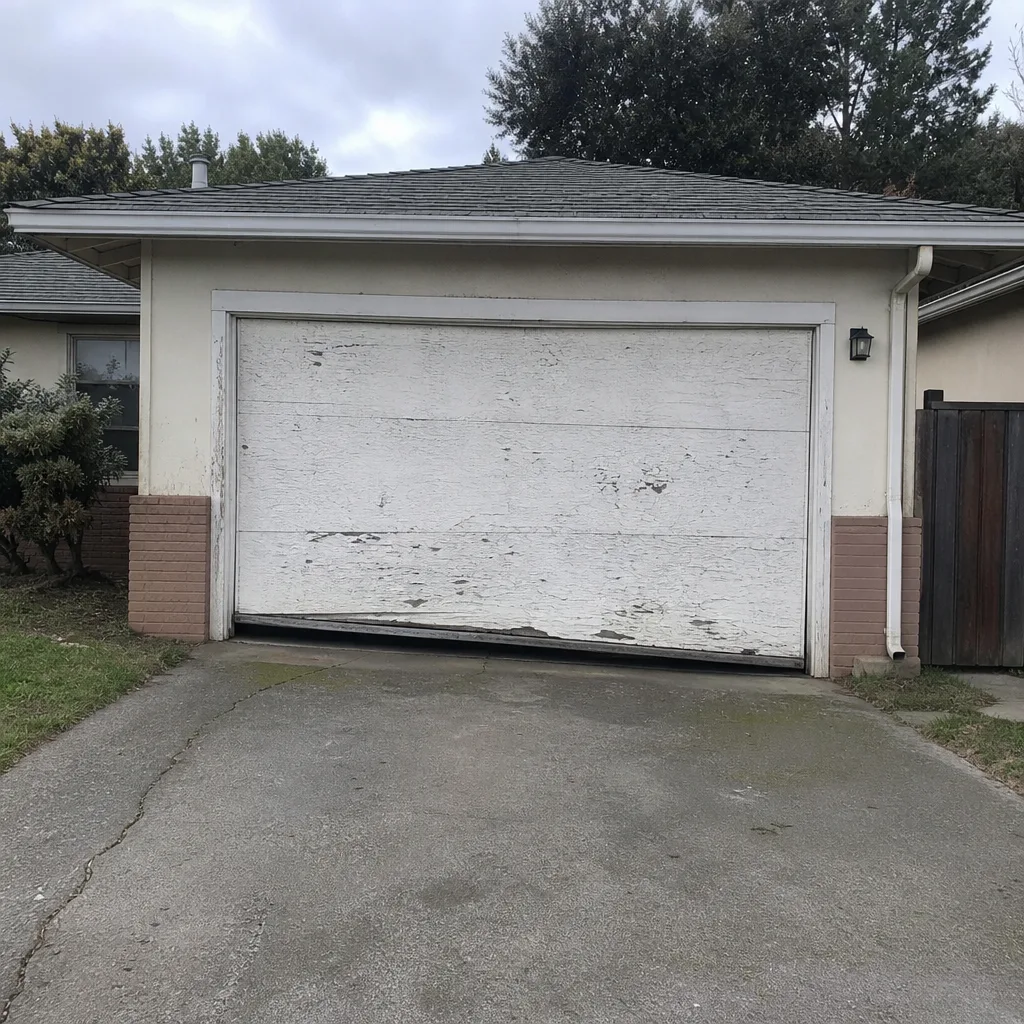 Before
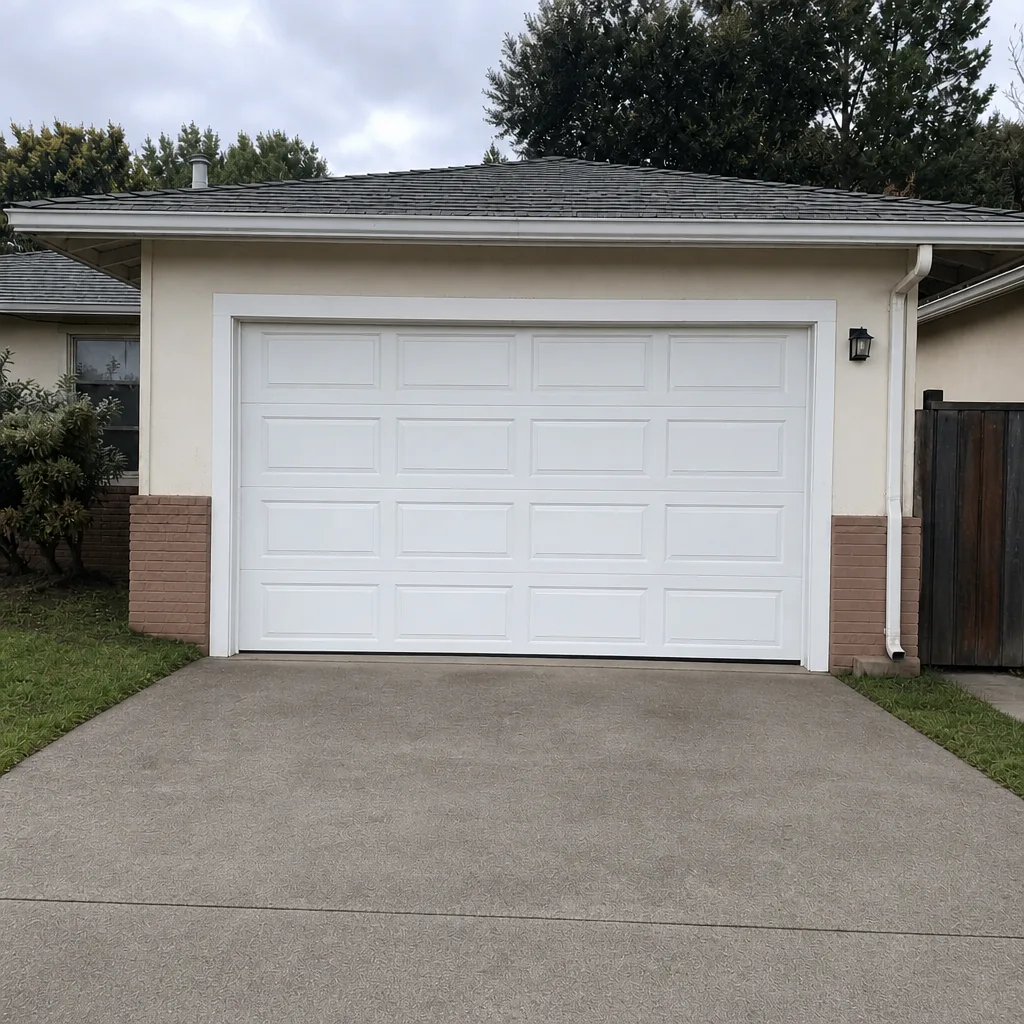 After
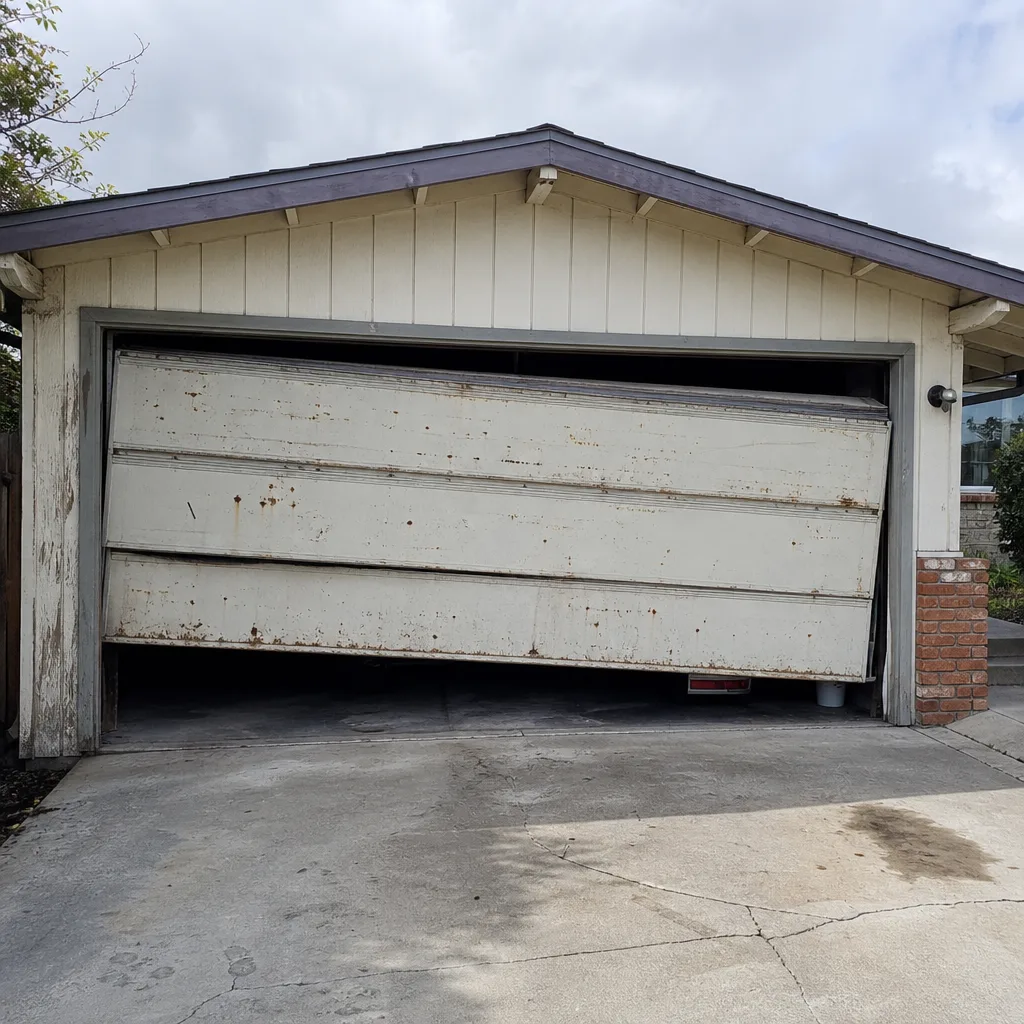 Before
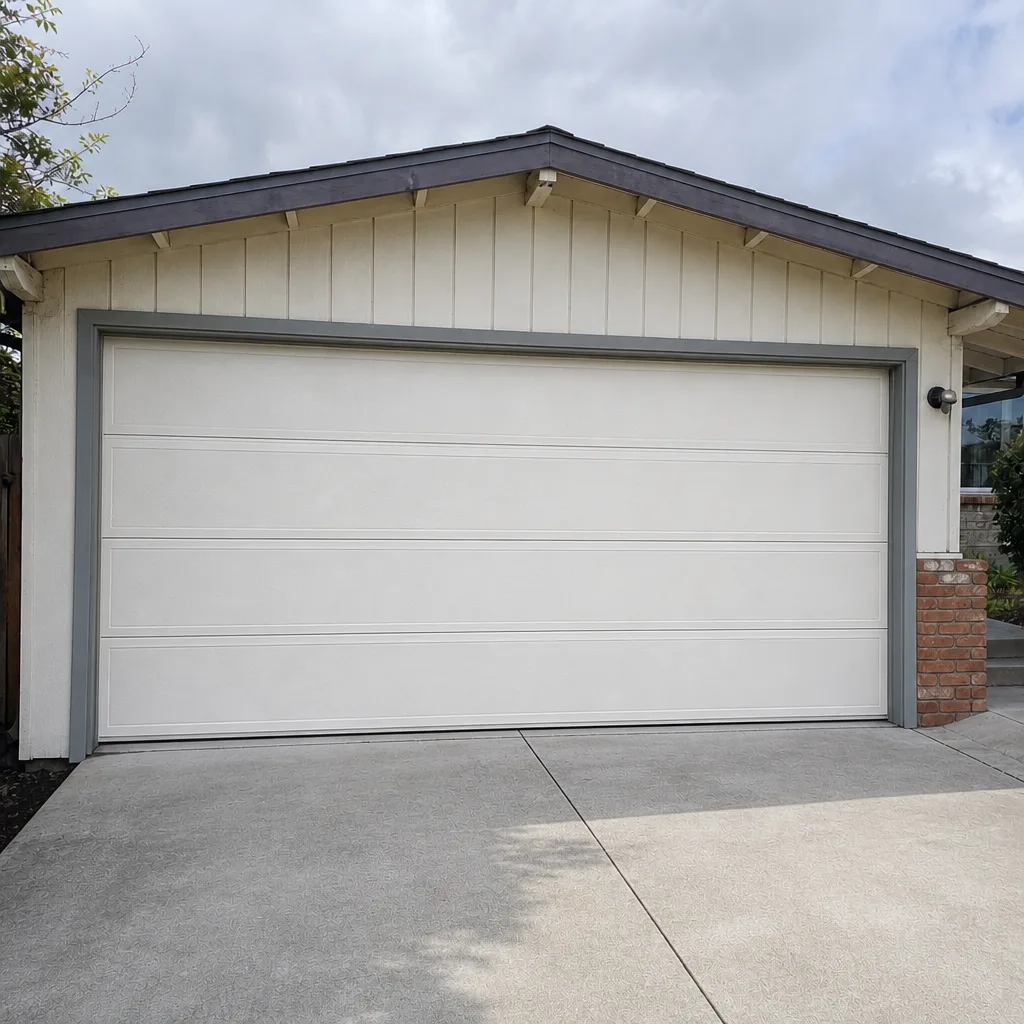 After
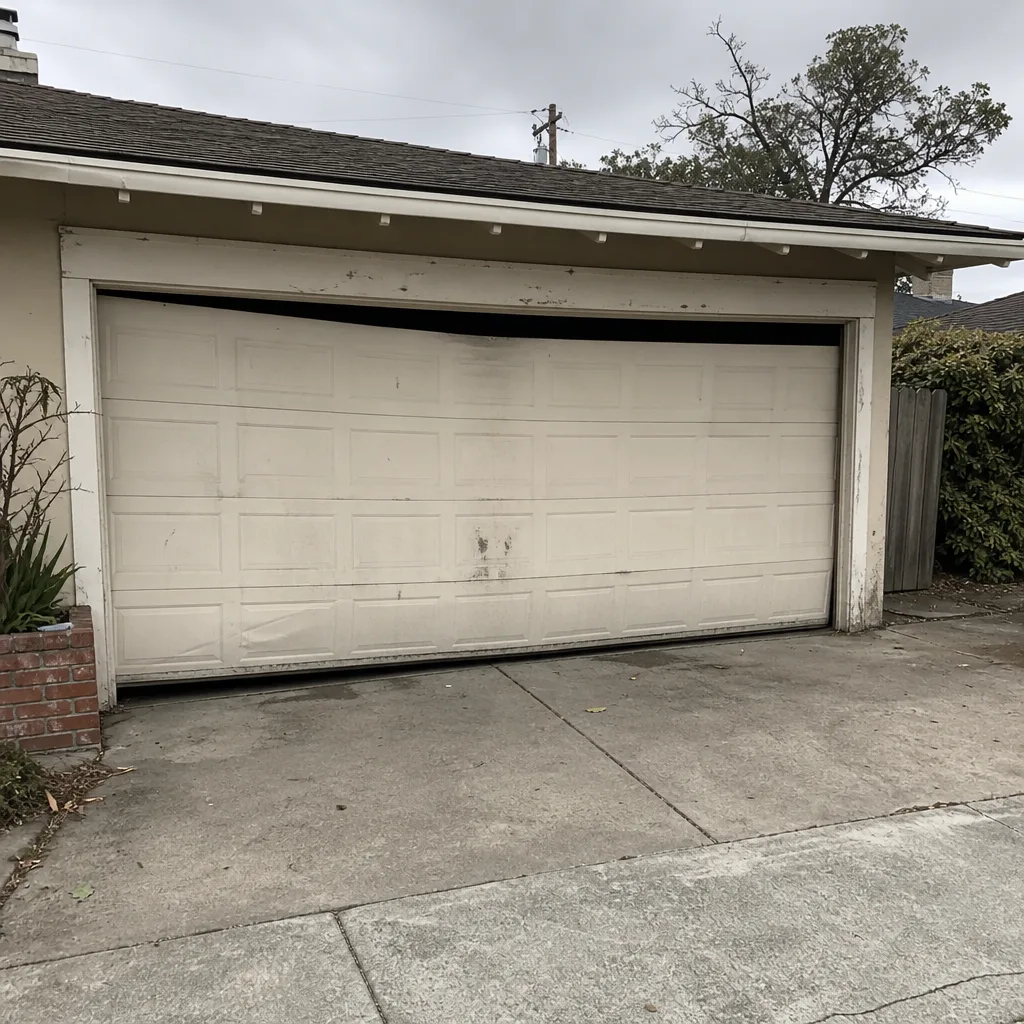 Before
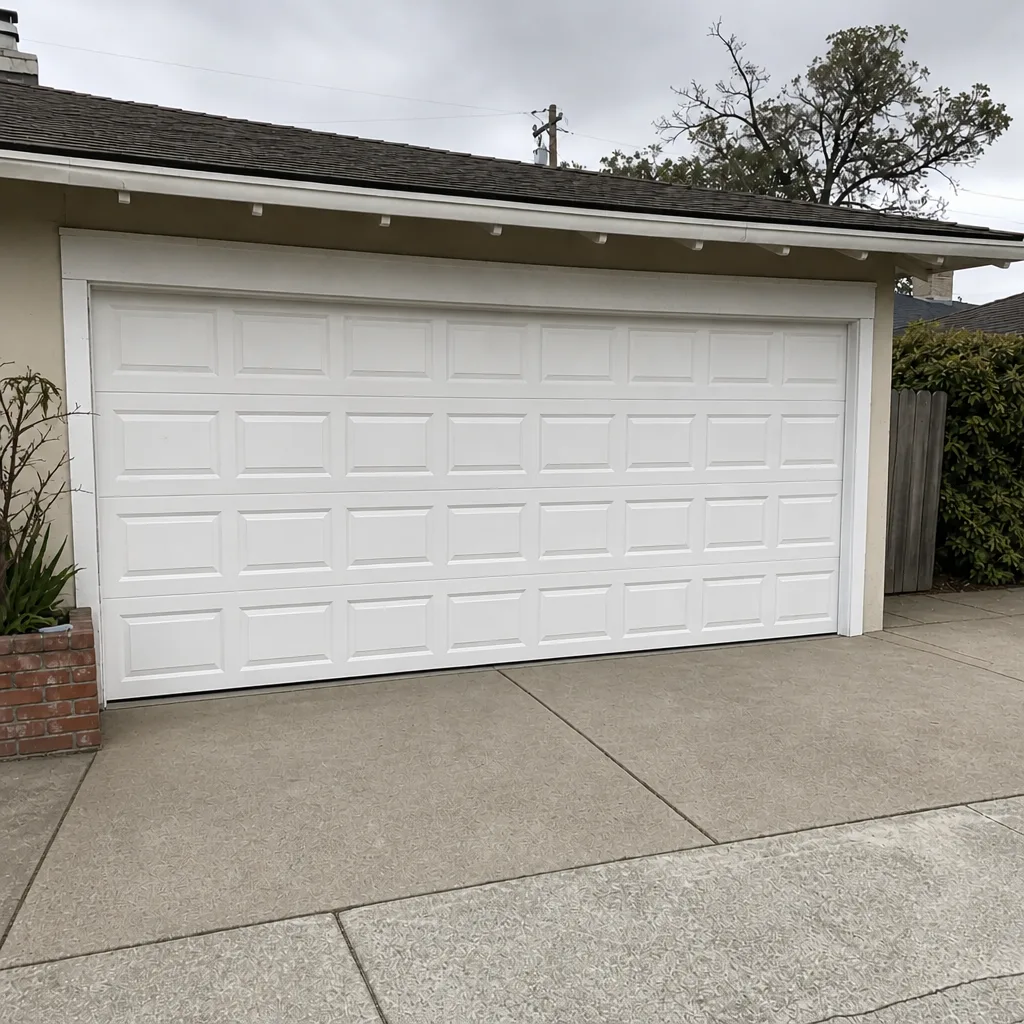 After
When to Call a Professional
Bring in a trained professional when the work involves torsion springs, cables, or track – those parts are under extreme tension and a mistake can be serious. Call when the opening needs to change size, when a header or post looks compromised, or when the fire separation between your garage and your house is in question. Call before you sell if you’re unsure what’s been permitted on the property. And call if you’d just rather not deal with the building department, because a contractor who does garage door work every day should be the one making that call.
Quarry Garage Door Repair offers free estimates in San Mateo – call (877) 373-8927. We answer 24/7. Fast dispatch from 7am to 7pm, Sunday through Friday. We work on the brand you already have, and we’ll tell you honestly whether your job needs a permit, whether it needs a repair, or whether a replacement makes more sense – without pushing either outcome. We work on LiftMaster, Chamberlain, Genie, Clopay, Amarr, Wayne Dalton, Craftsman, and Raynor, and we do garage doors only.
Frequently Asked Questions
Usually not. A like-for-like replacement in the same opening, with the same size door and no structural changes, is typically treated as ordinary maintenance rather than new construction. The exceptions are when the opening size changes, when the header or framing is modified, or when the fire-rated separation between an attached garage and the house is affected. Call (877) 373-8927 for an exact quote on your replacement – estimates are free.
They’re two separate approvals from two different authorities. The city permit covers building code and safety, and it requires an inspection by the City of San Mateo. The HOA approval covers appearance, color, and architectural consistency. Getting one doesn’t substitute for the other, and in a townhome or planned development you may need both before any work begins. Call (877) 373-8927 and we’ll help you sort out which approvals apply.
Look for the door’s label and any paperwork that came with it; the rating is stamped or tagged on the door assembly itself in most cases. If neither exists, the City of San Mateo building department can tell you what the property originally required under Section R302. When we quote a replacement, we check the existing rating first so the new door matches. Call (877) 373-8927 for a free estimate.
You have to disclose it under California’s residential disclosure requirements if you know about it, and the consequences range from a price reduction to the buyer asking you to legalize the work before closing. Lenders can also object if the property’s record doesn’t match its condition. Fixing a permit at the front end is almost always cheaper than explaining the gap at resale. Call (877) 373-8927 for an exact quote on doing the work correctly – estimates are free.
Licensed contractors routinely pull permits on the homeowner’s behalf, and that’s usually the cleaner path on structural or code-sensitive work. We’ll tell you honestly whether your job falls into the exempt category or the permitted category before we set a plan, because we don’t want to bill you for paperwork the city doesn’t want. Call (877) 373-8927 for a written estimate.
No. The written estimate you receive sets the price, and the price is agreed before any work starts. We scope the job – including whether it needs a permit and what the city will inspect – before quoting, so the estimate reflects what the work actually involves. Call (877) 373-8927 for a free estimate and an upfront written quote.
The Bottom Line
Most garage door work in San Mateo doesn’t need a permit; the work that changes the opening, the header, or the fire separation does. A like-for-like door or opener replacement is maintenance. A structural change is construction, and construction needs a permit and a final inspection by the city. HOA approvals sit on a separate track and can apply even when the city signs off. If you’re not sure which side of the line your job falls on, the building department will tell you for free, and a specialist who works garage doors every day will already know what to ask. Handled correctly at the front end, the permit is cheap and the inspection is routine. Handled at resale, it turns into a retrofit. Call (877) 373-8927 to get a free estimate and a clear answer on what your job actually needs.
Written by the team at Quarry Garage Door Repair.